Back at Snug Valley
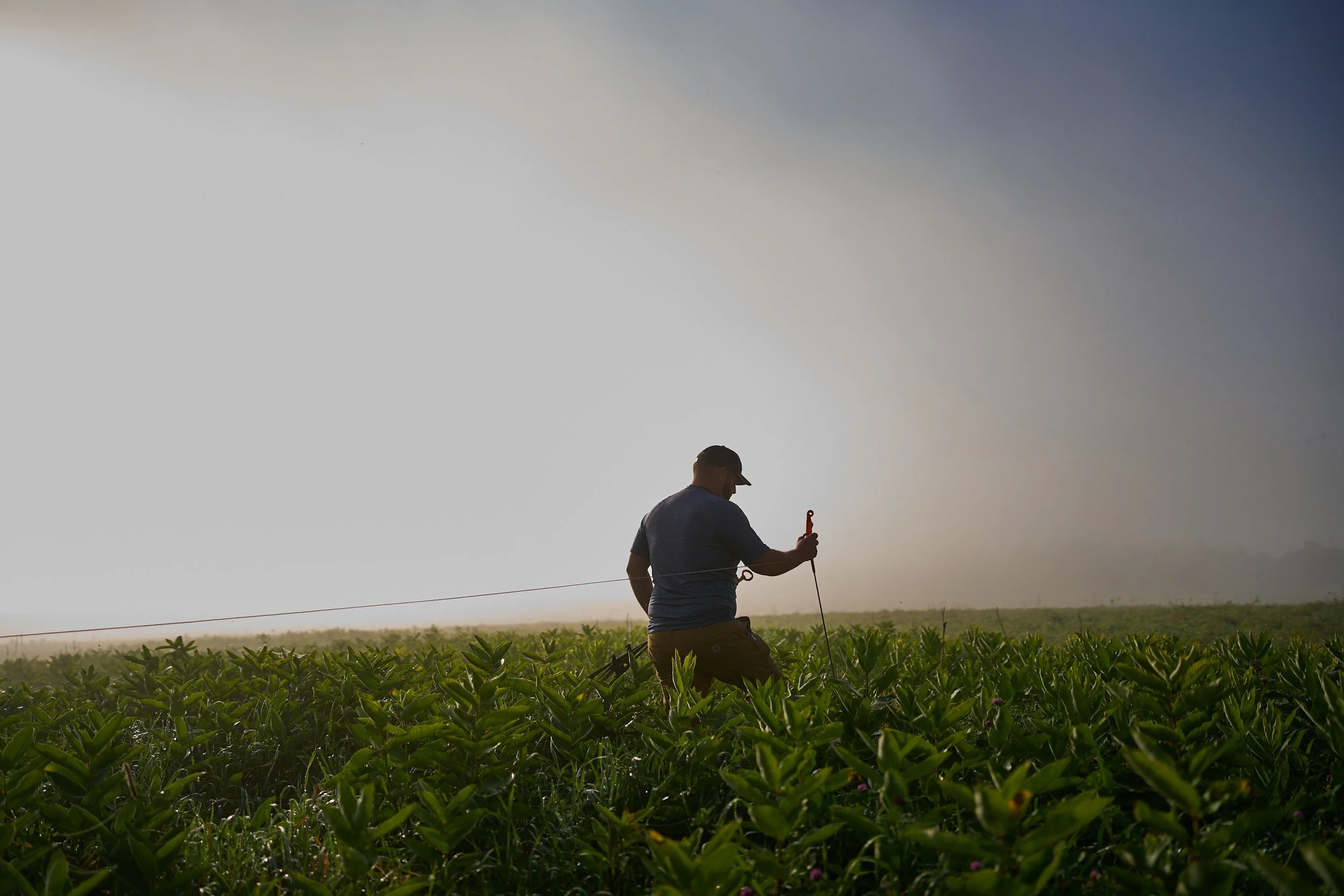
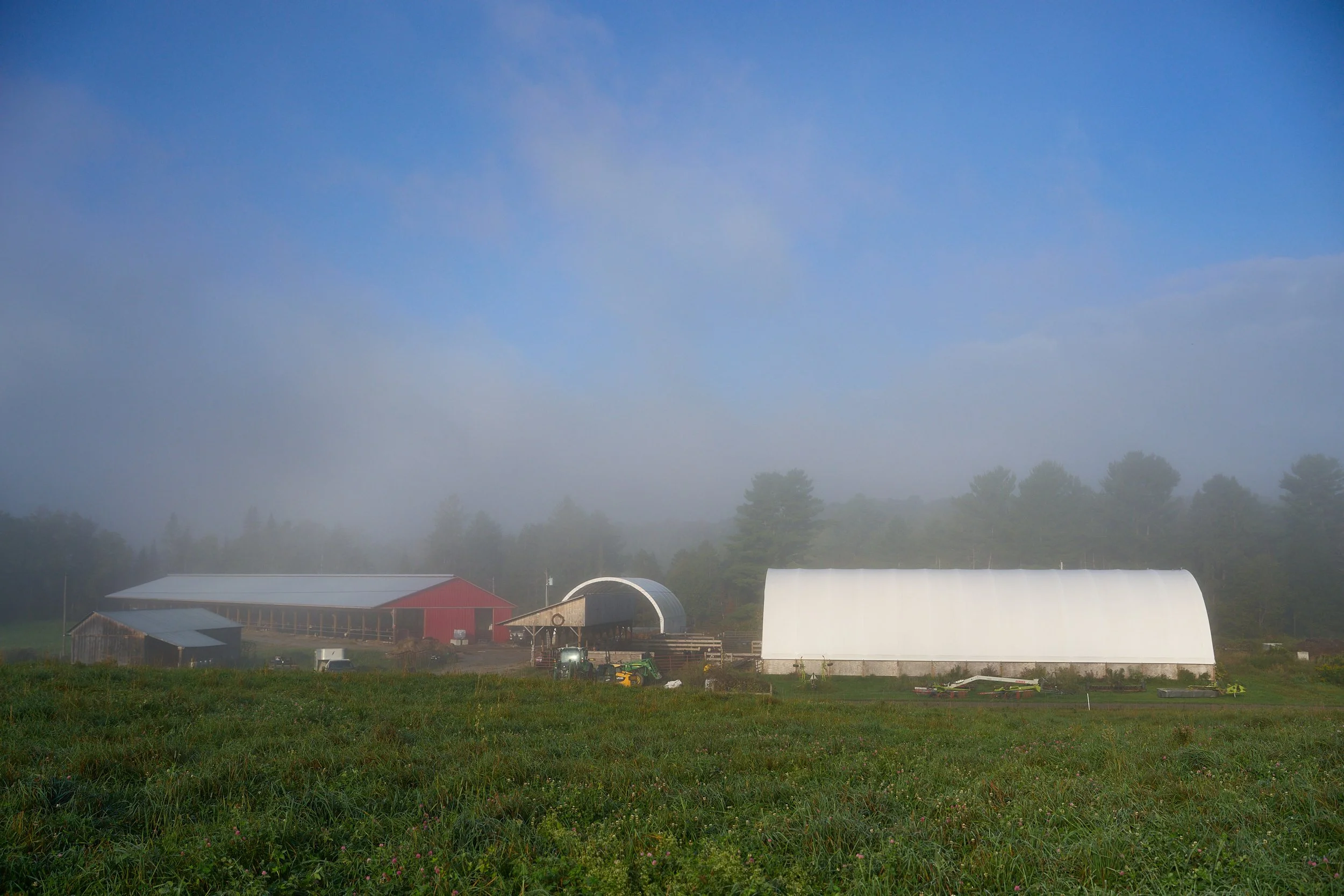
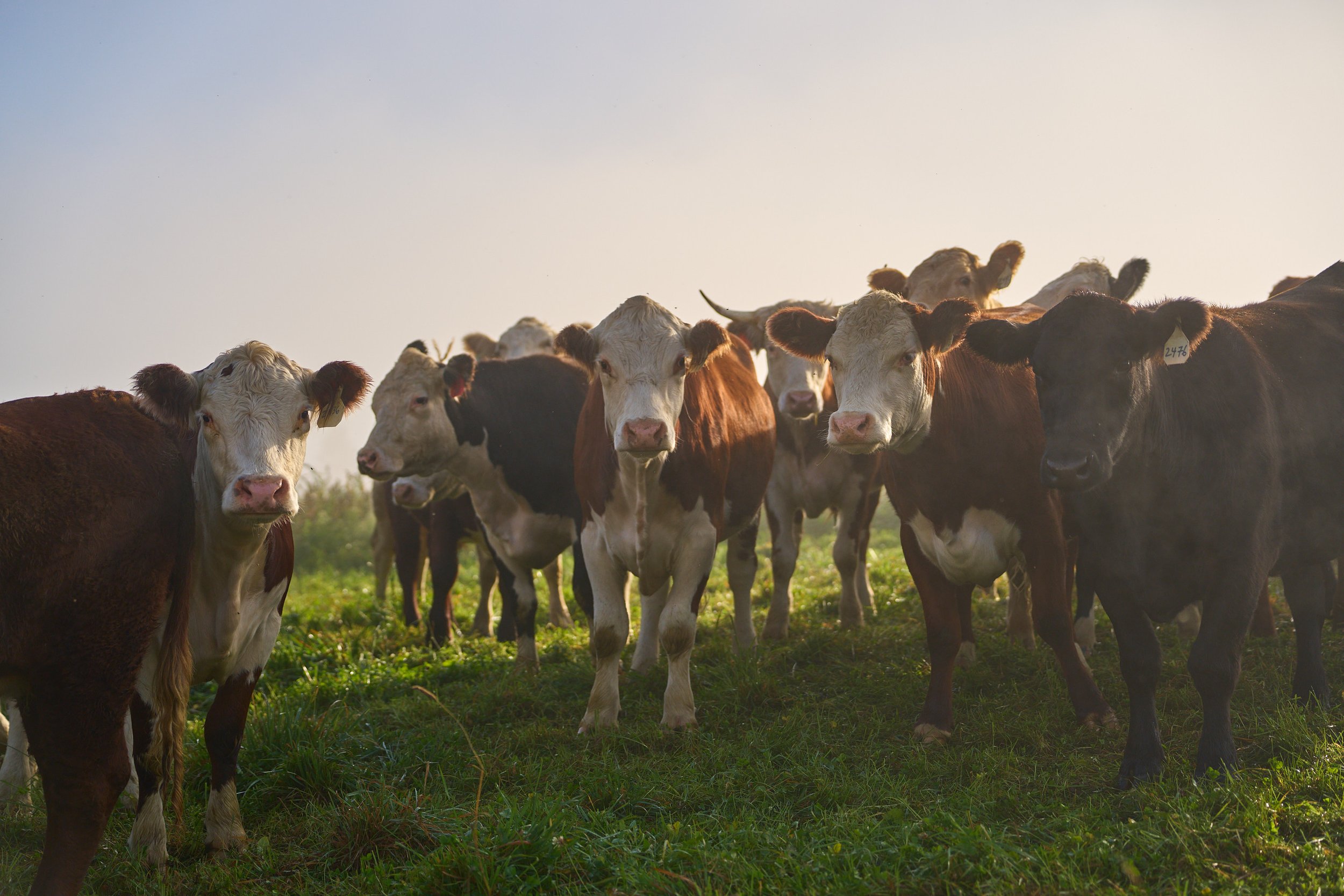
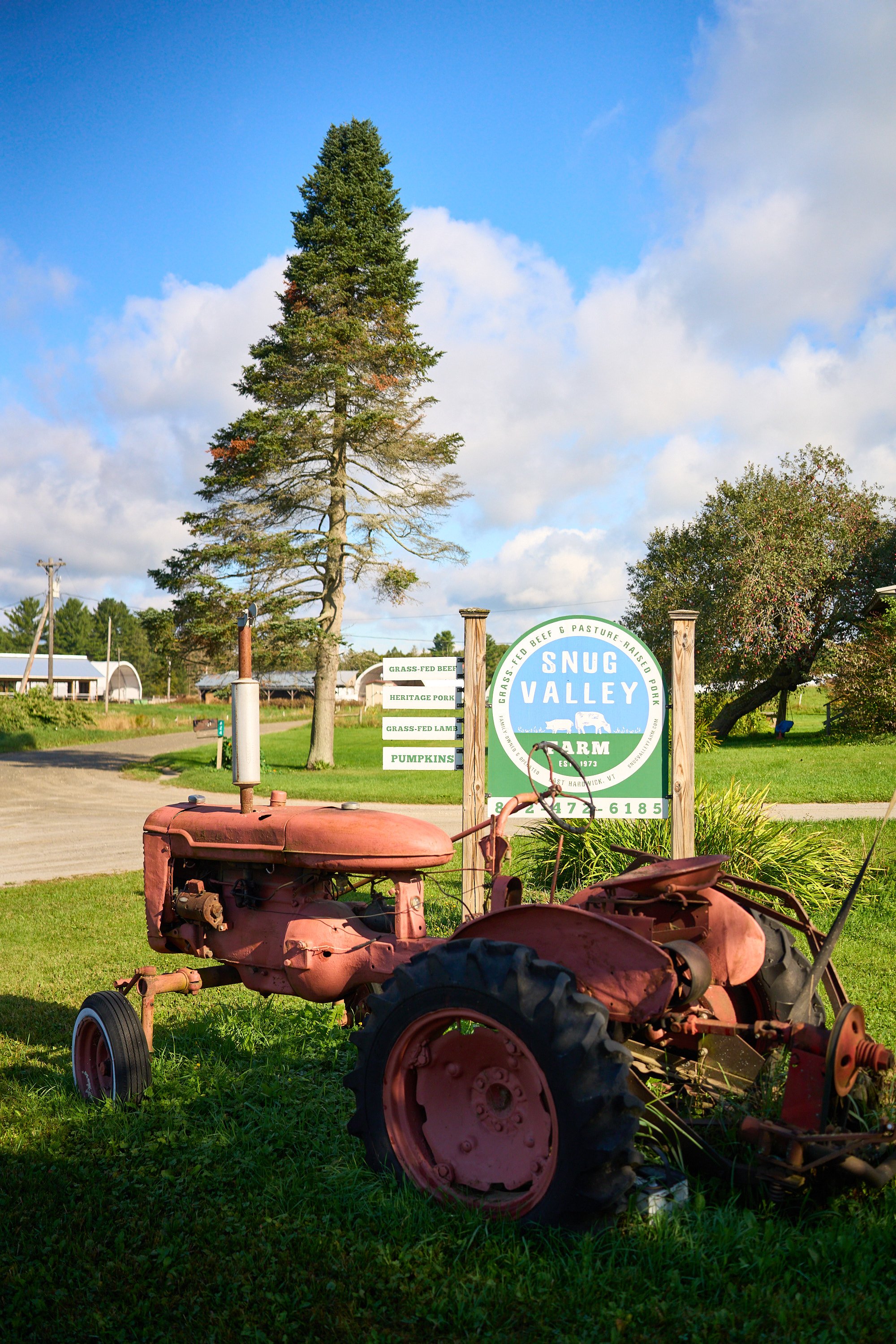
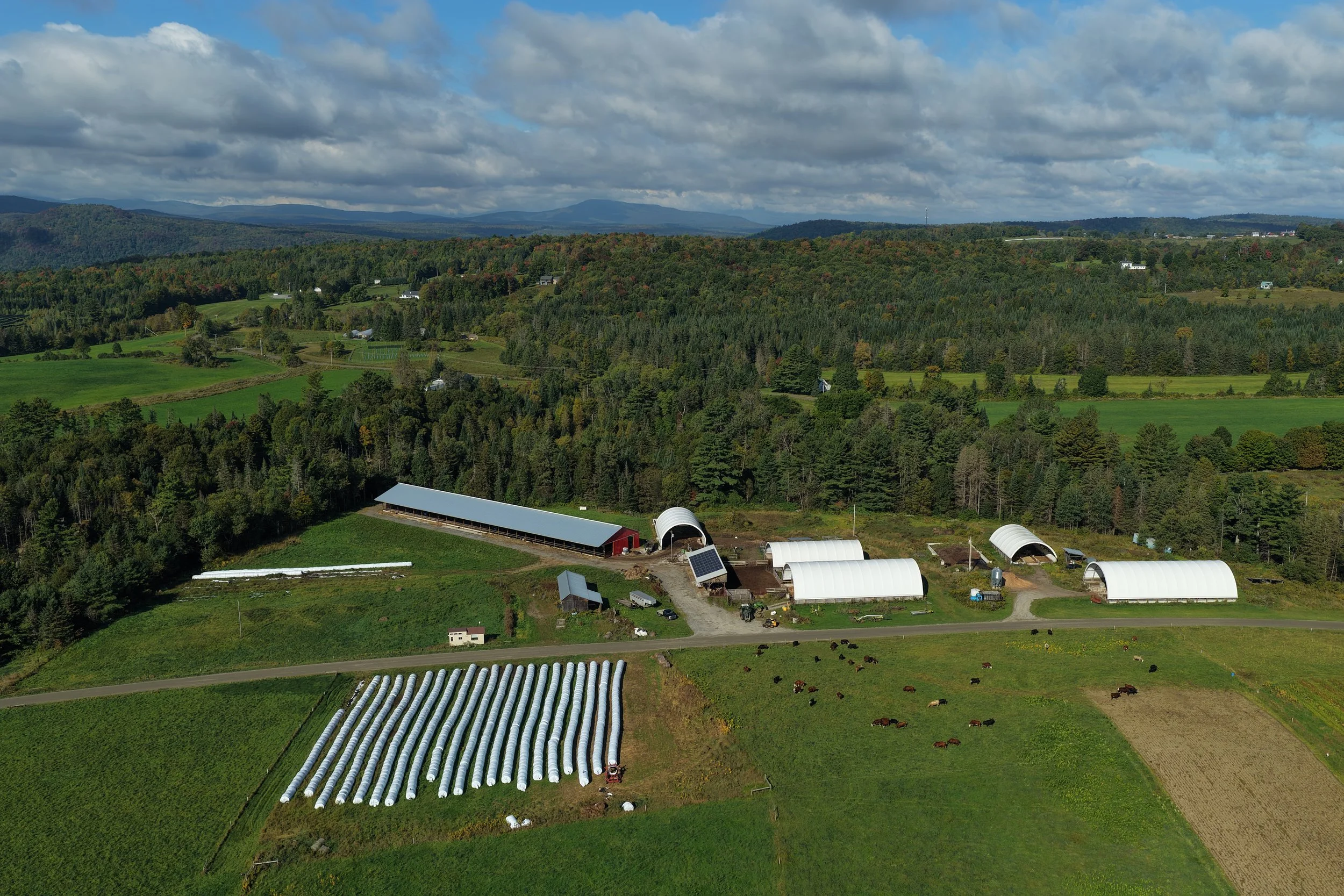
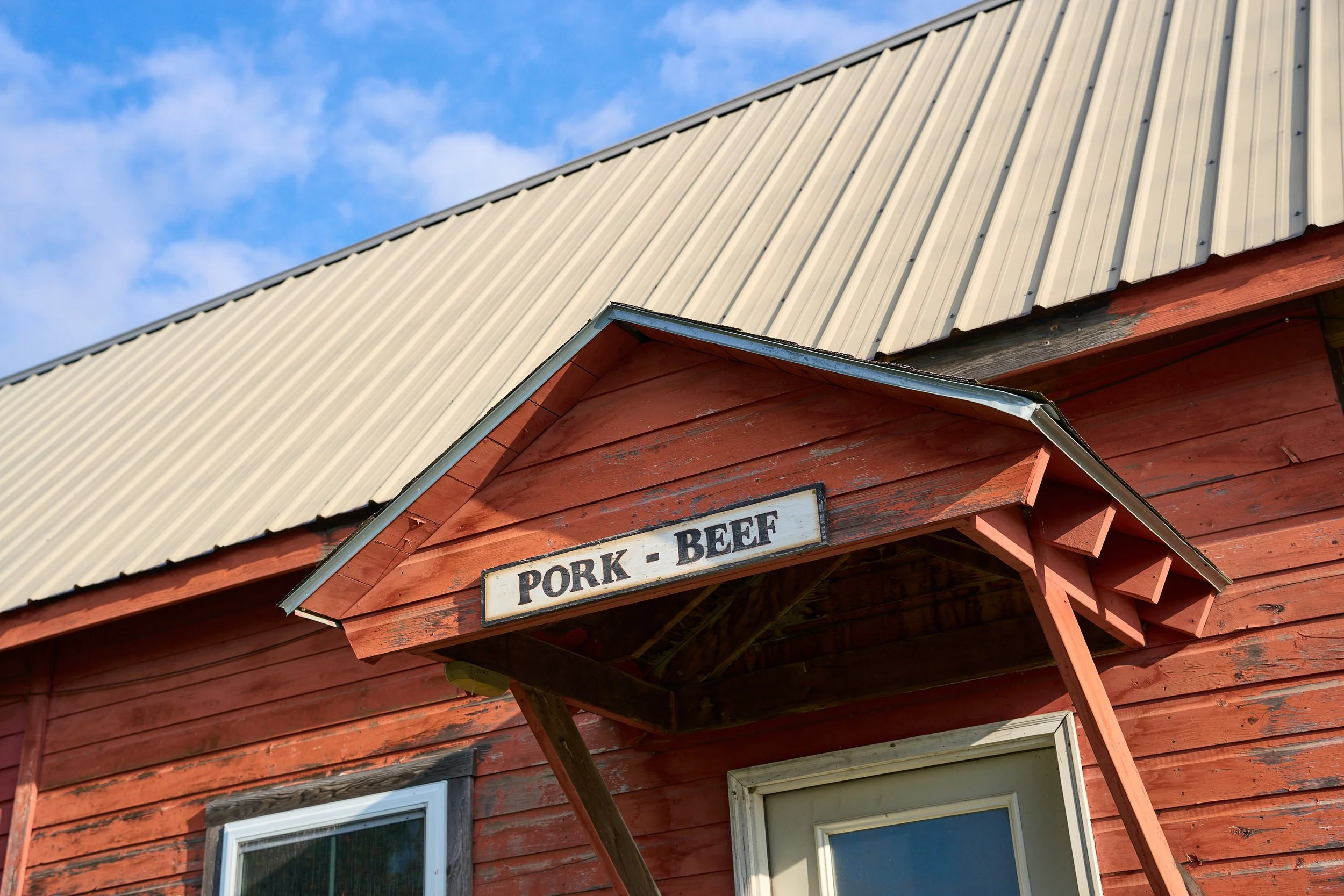
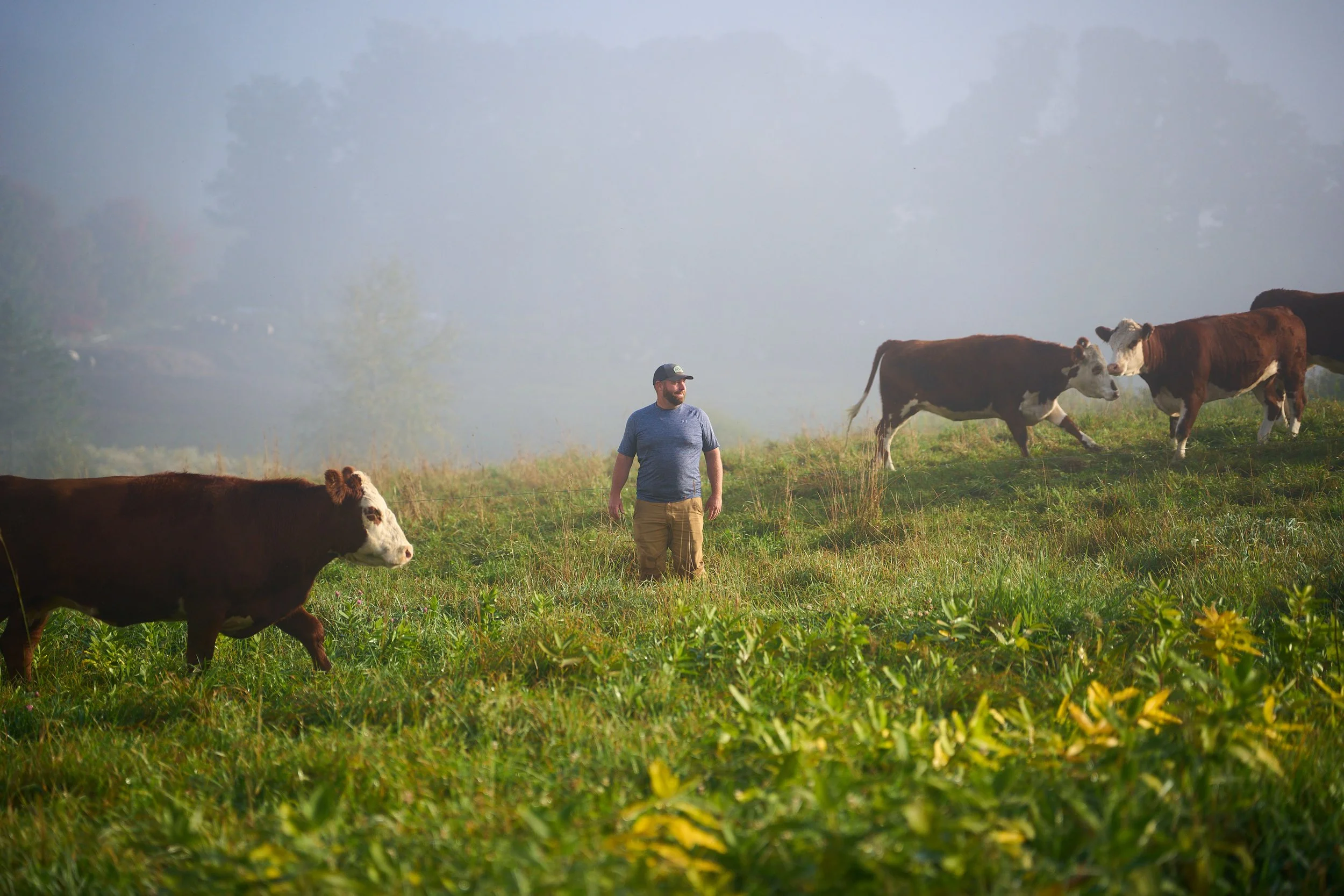
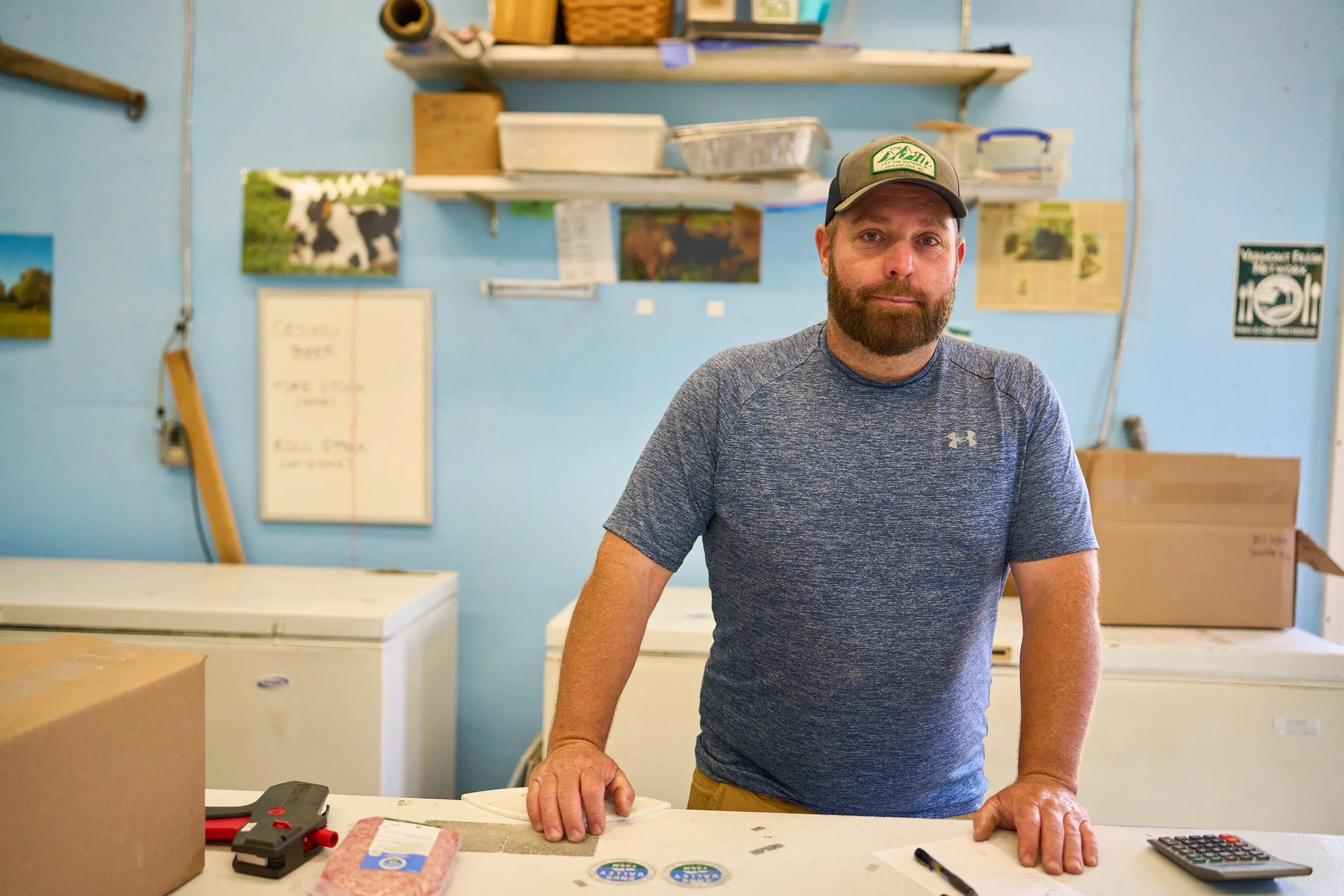
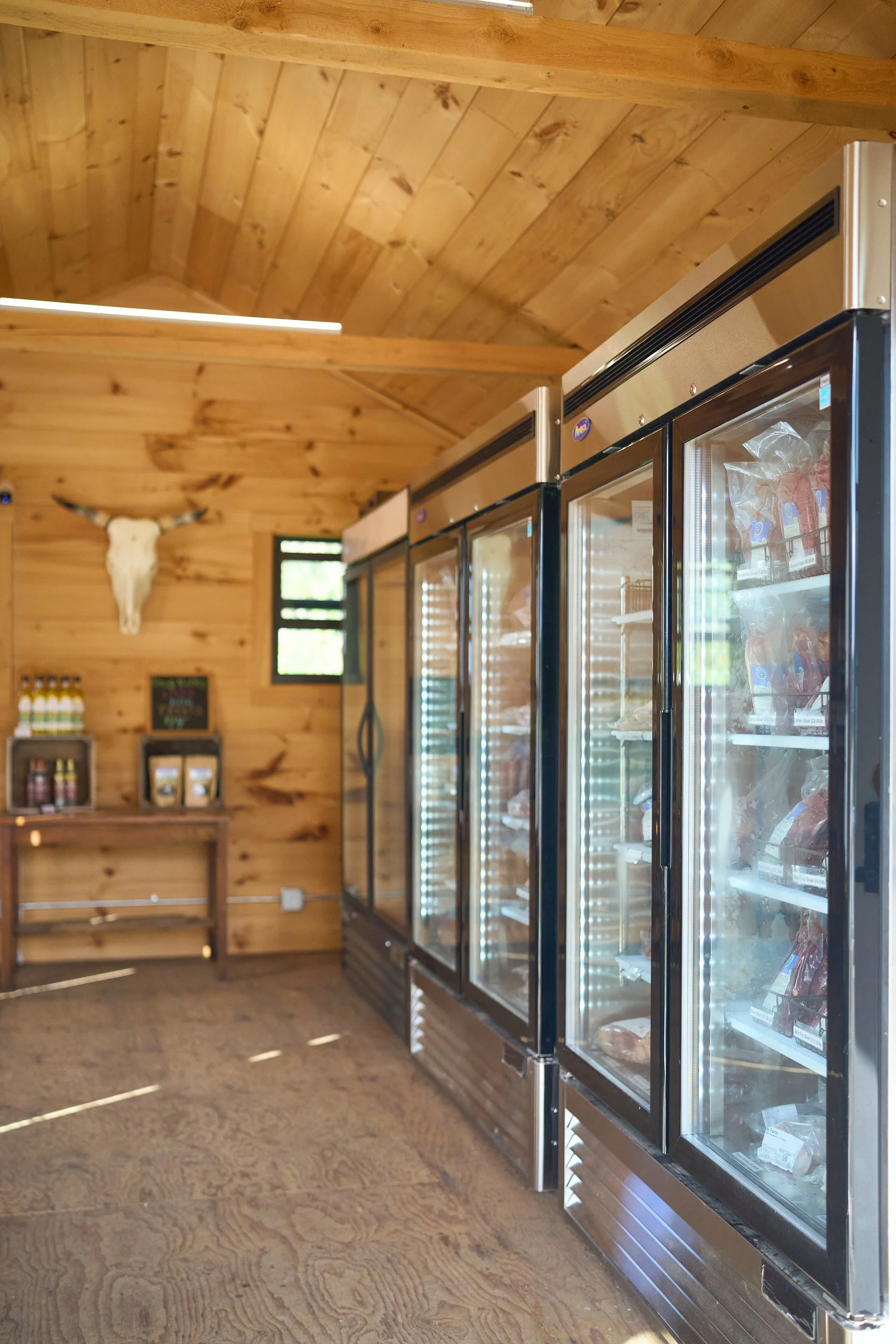
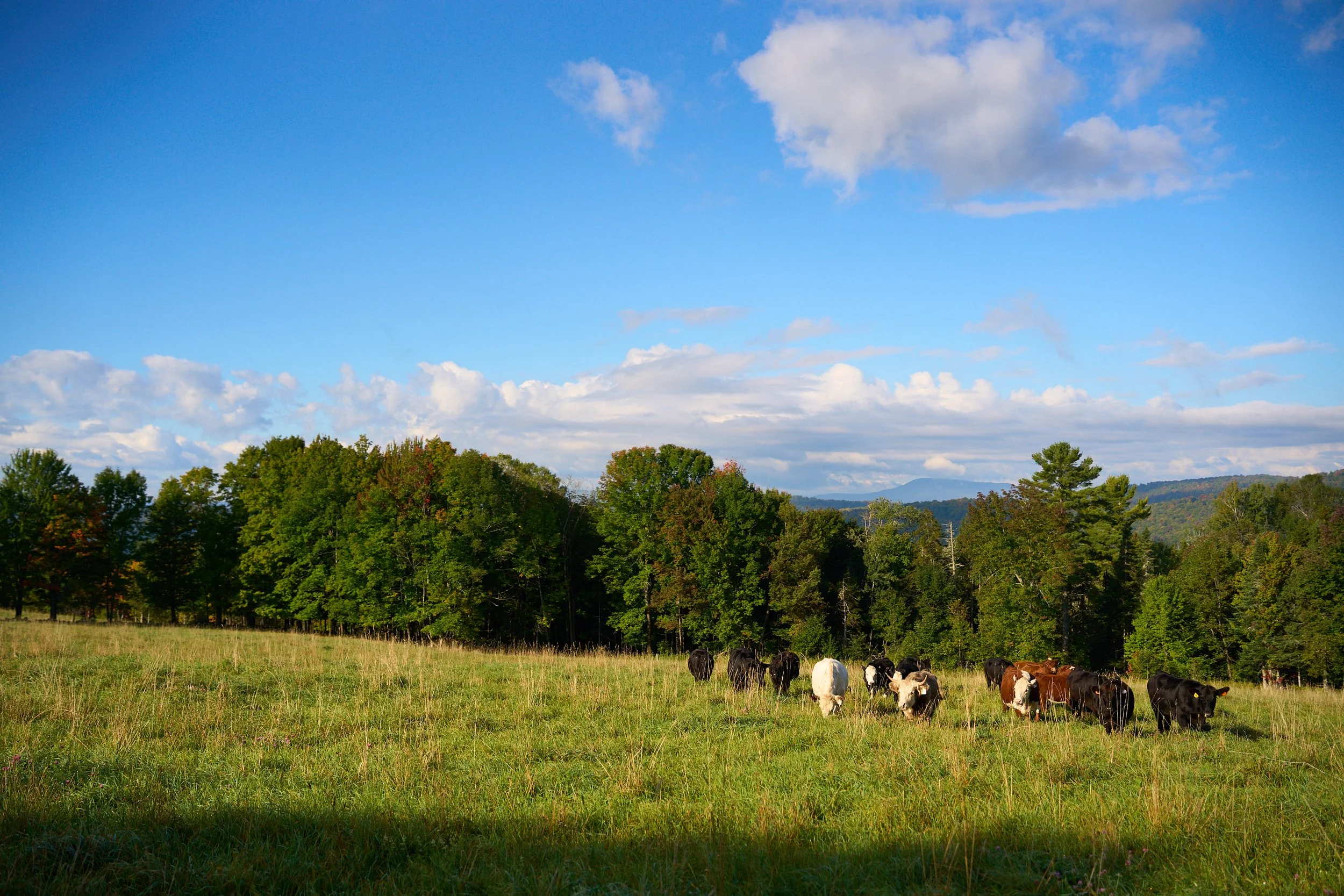
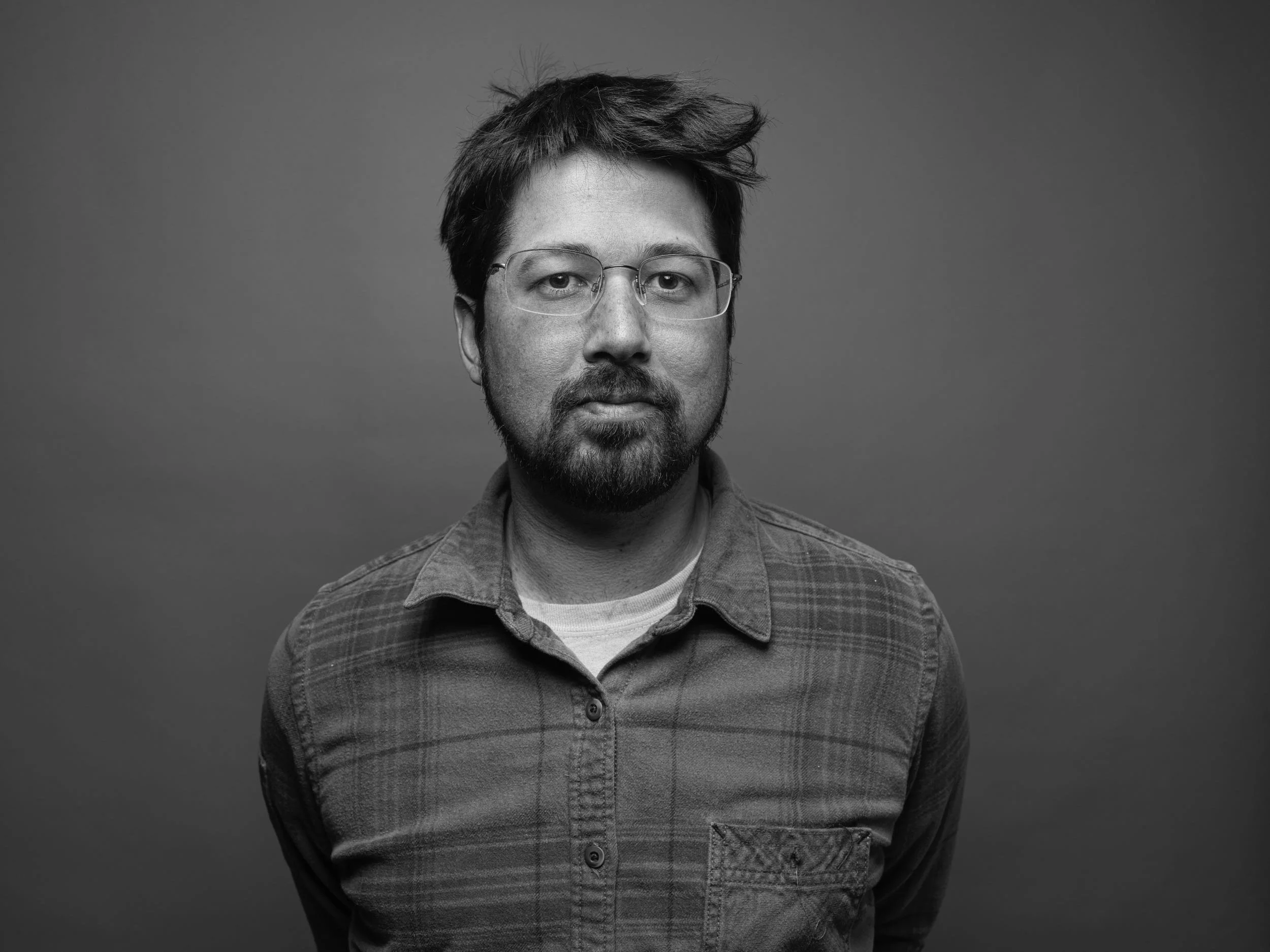
Seventeen years after photographing Ben for The Boston Globe, I encountered his familiar face again during an assignment for the Intervale Center at Snug Valley Farm.
I have always been good at remembering faces, particularly the faces of people I have photographed. The name may take a moment to return, but the encounter remains intact: the way someone holds themselves, how the light gives shape to their expression, the feeling of observing them carefully through the lens. When I recognize a face years later, there is an immediate sense of confirmation, almost cellular, that we have been connected by the camera at some point.
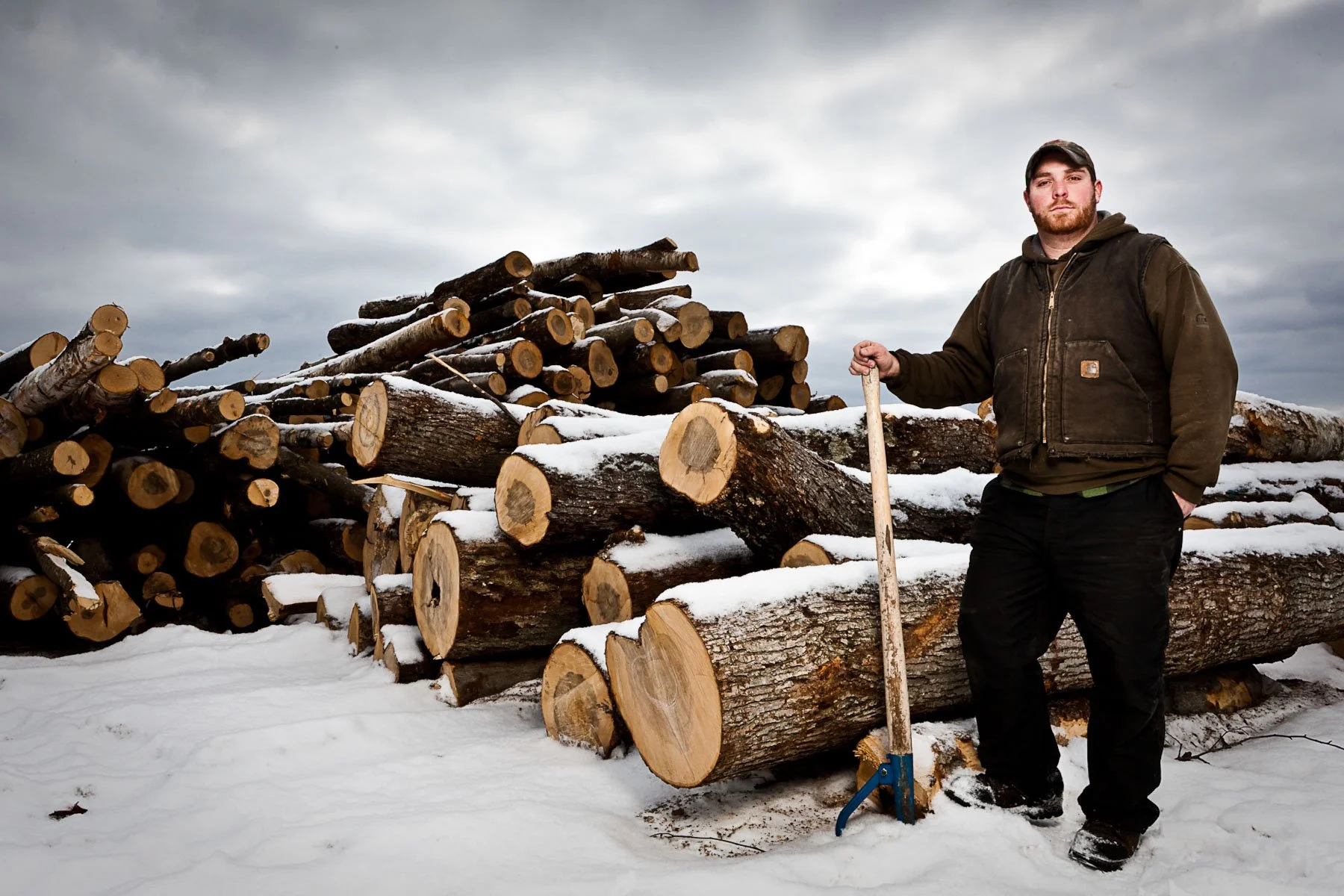
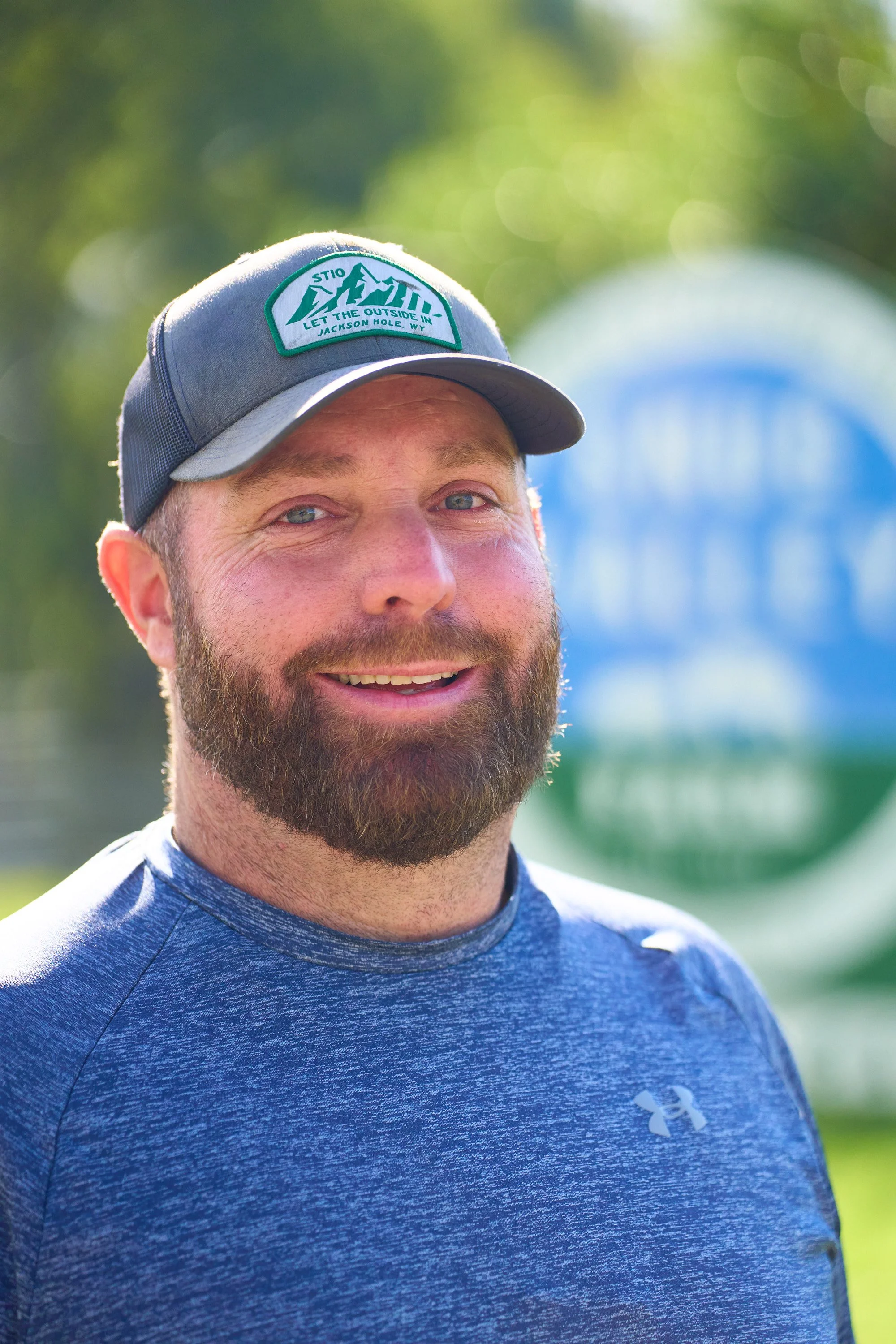
That happened recently at Snug Valley Farm. I was there photographing Ben for the Intervale Center when I realized that I had photographed him seventeen years earlier for a story in The Boston Globe. At the time, the story was about his firewood operation. The assignment and its circumstances had receded from memory, but his face had not.
Making a portrait requires a particular kind of attention. Even during a brief encounter, you study another person closely, watching for the small changes that reveal something of who they are and how they inhabit the frame. The moments you are watching for may last mere fractions of a second, but that focused attention leaves an indelible imprint.
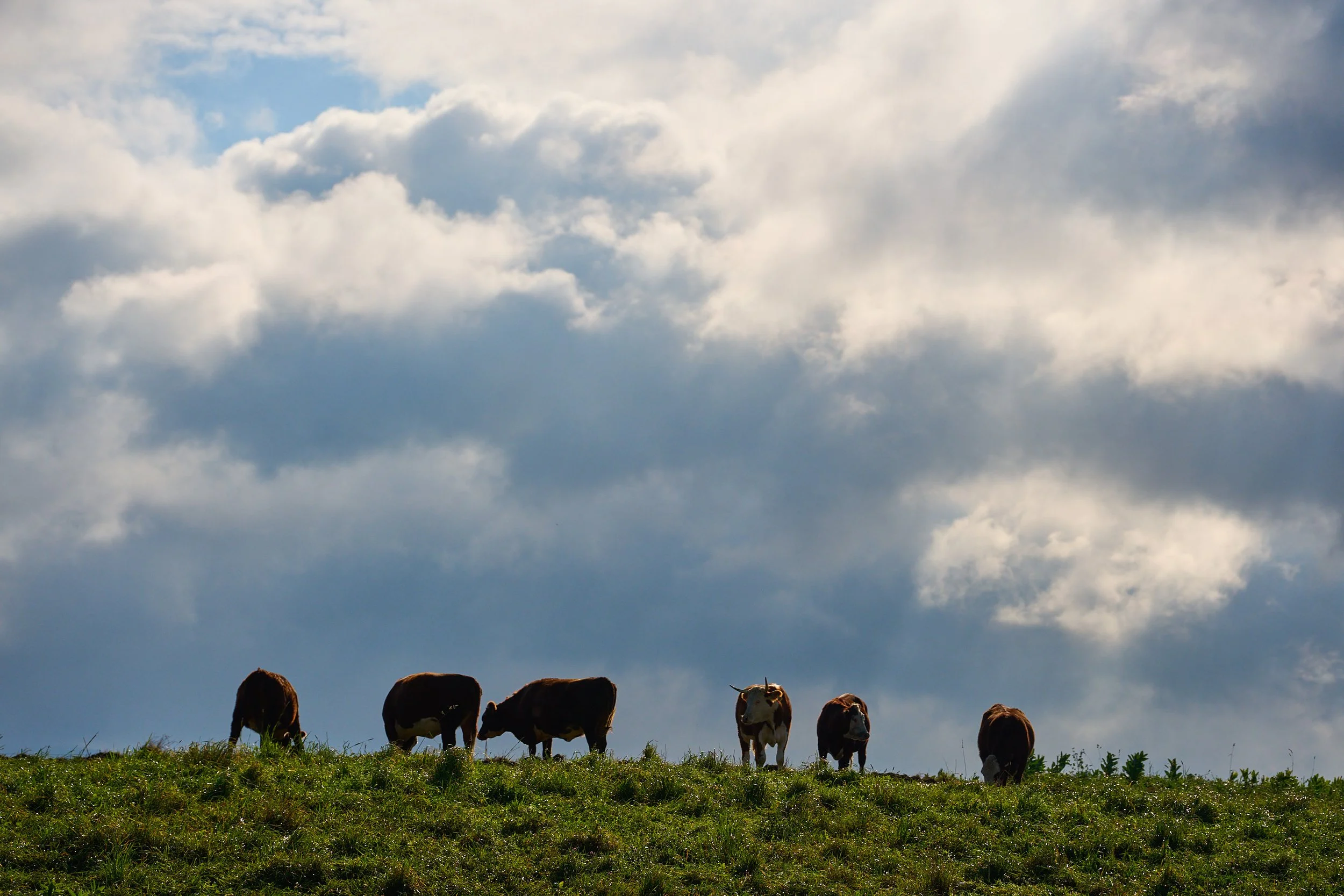
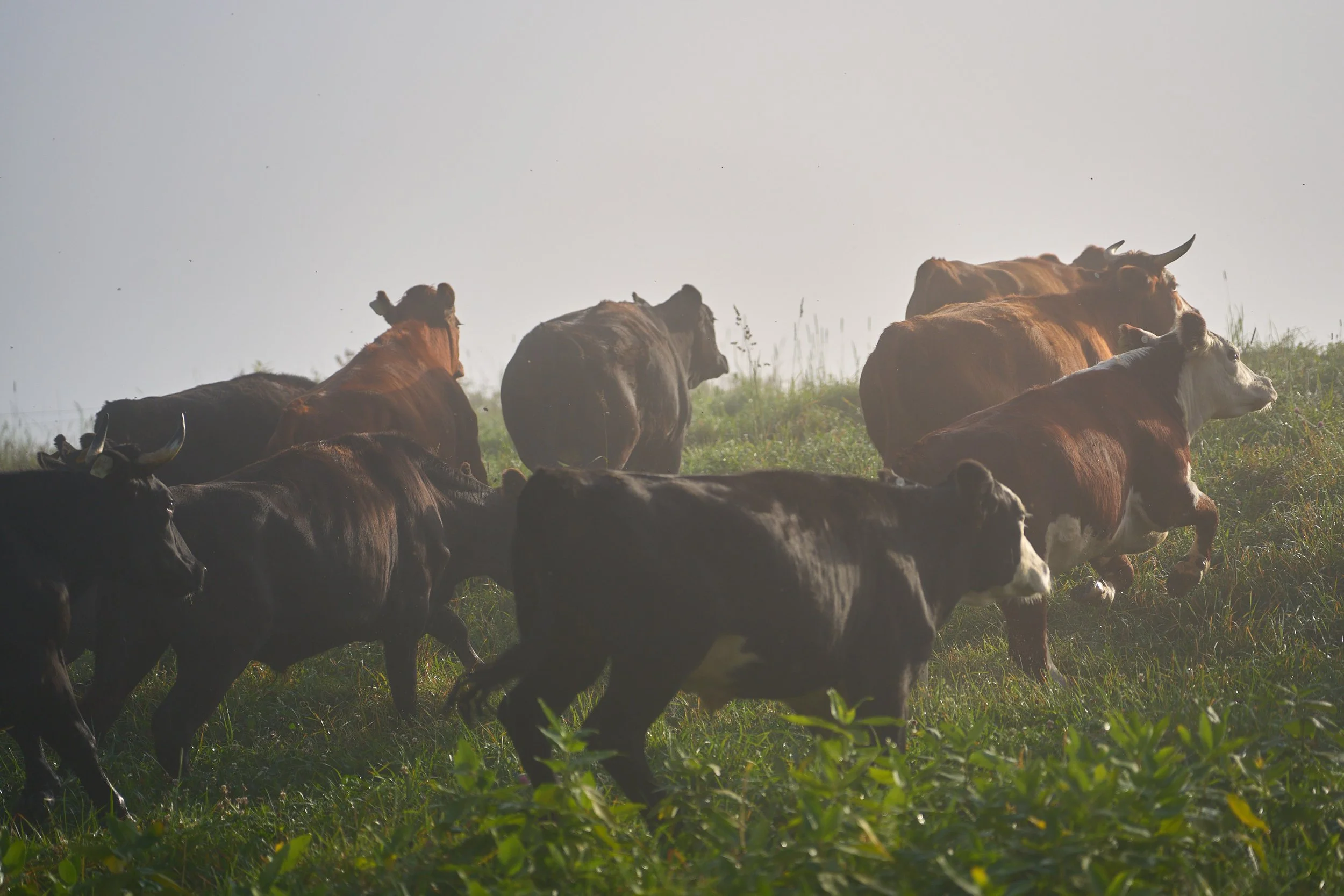
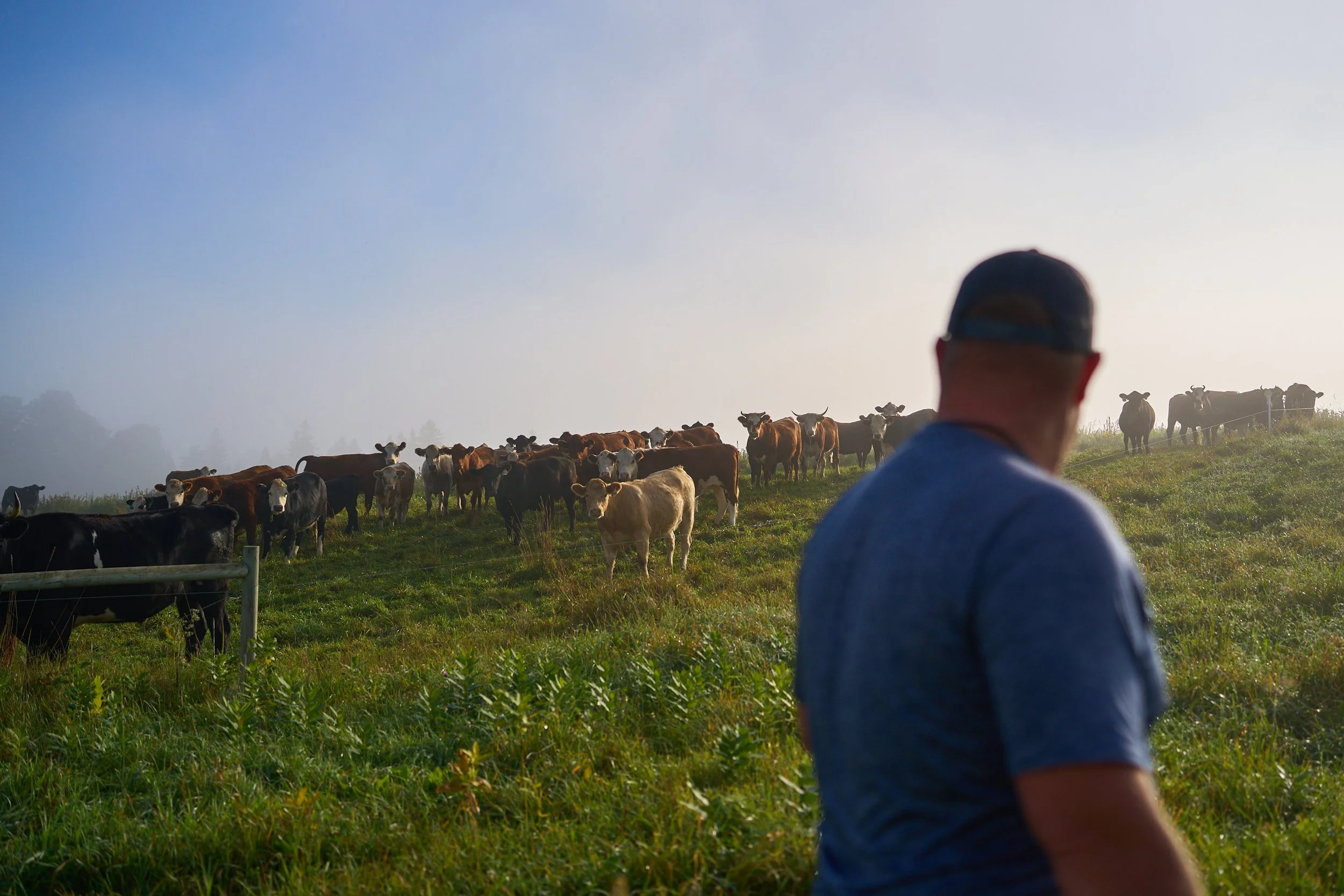
The first photograph here is the portrait I made of Ben in 2009. The photographs that follow were made this September at Snug Valley Farm.
What we ask of a forest
There is something funny about having adults cram into a school bus. The narrow green seats, the watchful gaze of the driver, the one window left partially open… all of the details brought me back to childhood. Our destination was not school.
There is something funny about having adults cram into a school bus. The narrow green seats, the watchful gaze of the driver, the one window left partially open… all of the details brought me back to childhood. Our destination was not school. This was a guided forest walk that I had been hired to photograph for the Vermont Woodlands Association.
After grinding our way up Texas Hill, this small group of strangers disembarked and gathered for brief introductions. We were being led through the Hinesburg Town Forest by Chittenden County Forester Brandon Benedict, Audubon forest manager Steve Hagenbuch, and consulting forester Harris Roen.
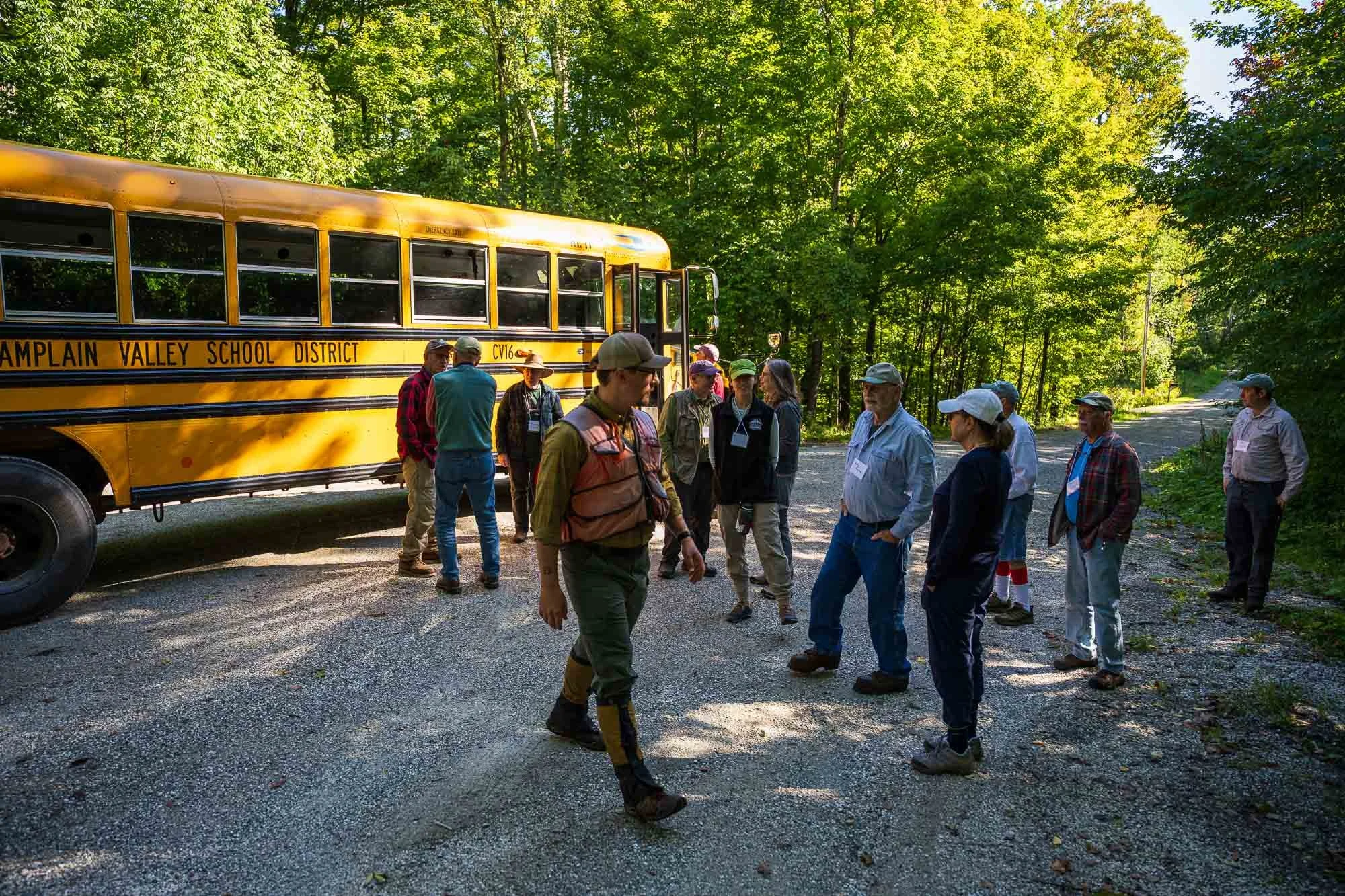
We ambled down a trail and began to share our observations of the forest. The American Tree Farm System considers four values in certified woodlands: wood, water, recreation and wildlife. From where we stood, the intertwined nature of these uses was clear.
Steve pointed out how easily we were able to see through the woods, and what that meant for the birds that could utilize it. It is tempting to get stuck in a human perspective, where our natural comfort in an environment often means good visibility. Yet that same visibility can mean greater risk of predation for other animals.
As we moved on, the conversation shifted to our history with the landscape and how the woods we experience today are largely the result of a fairly destructive past. Vermont was deforested and farmed, the evidence still occasionally appearing in old cellar holes and traces of roads, now overgrown.
Fortunately, we try to manage our natural resources with more care now, but this can also create friction between those four uses. If one measure of forest health is diversity, then disruption is an important catalyst for more types of plants and different ages within those species.
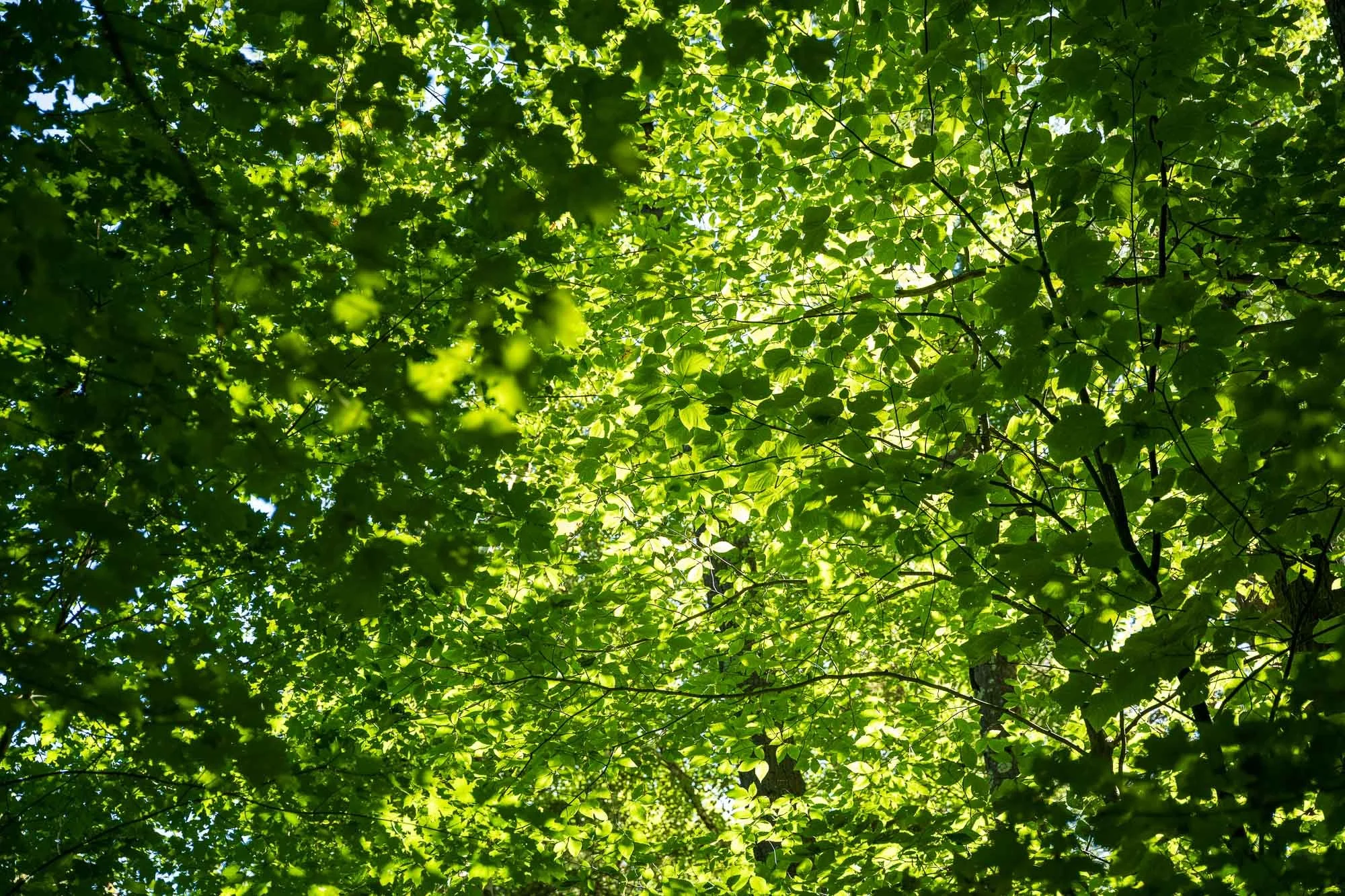
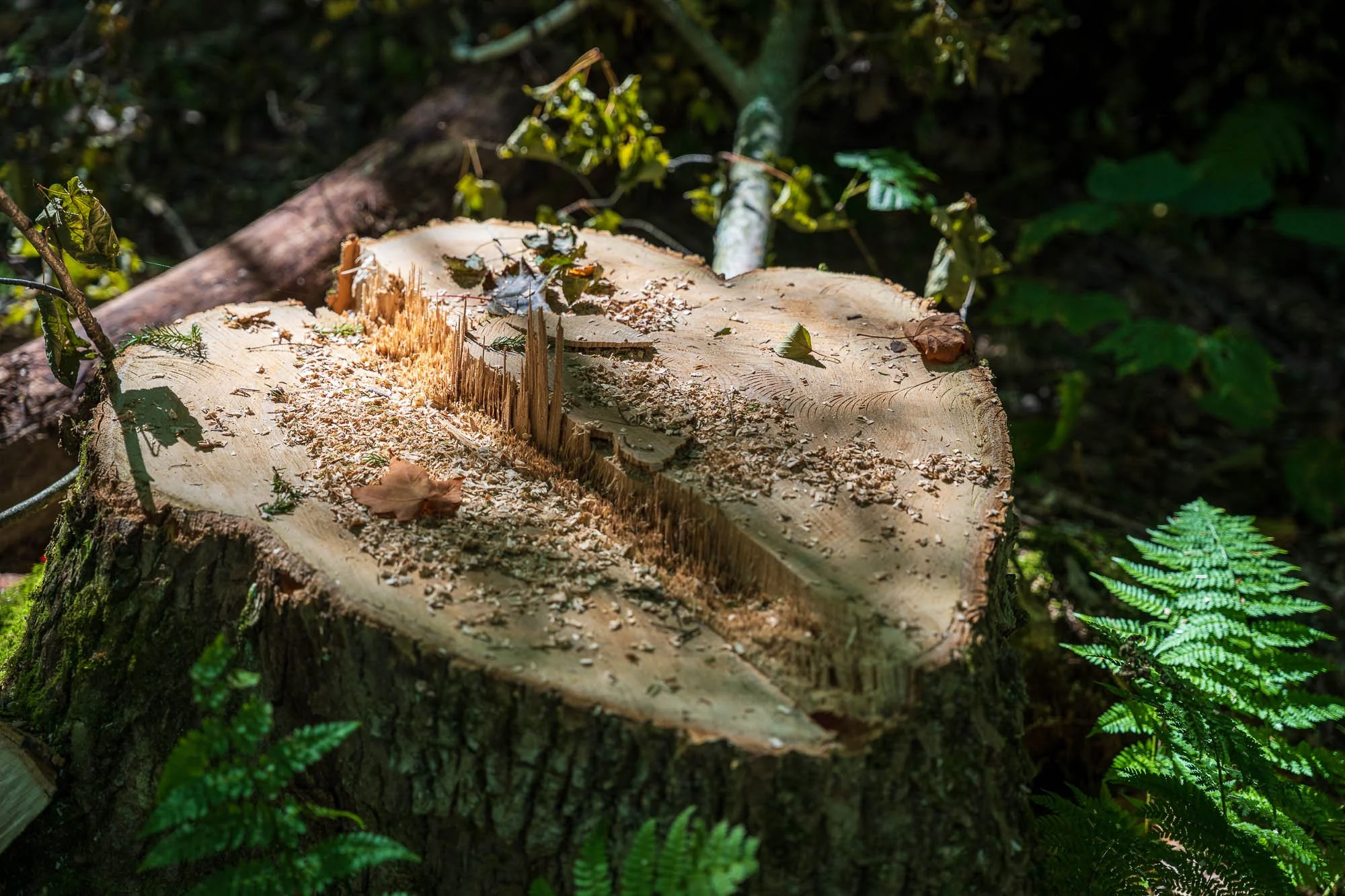
I know this. It was drilled into me years ago when I studied forestry. It is still hard to accept visually.
Harris spoke of the management plan, part of which was to generate more patches in the forest. The mess was desirable. Places that are hard for us to walk through serve an important purpose for animals that like to hide from us.
These disturbed sites can also mimic what occurs naturally at times, things like blowdown. Managing a resource like this requires thinking on a timeline that extends far beyond our own. The small seedlings growing under that brush will be trees when I am gone.
This is not necessarily an enjoyable mental exercise. It is easy to mistake what looks healthy to us for what a forest actually needs. It is a challenge to reconcile good forest management with what is commonly viewed as a beautiful forest.
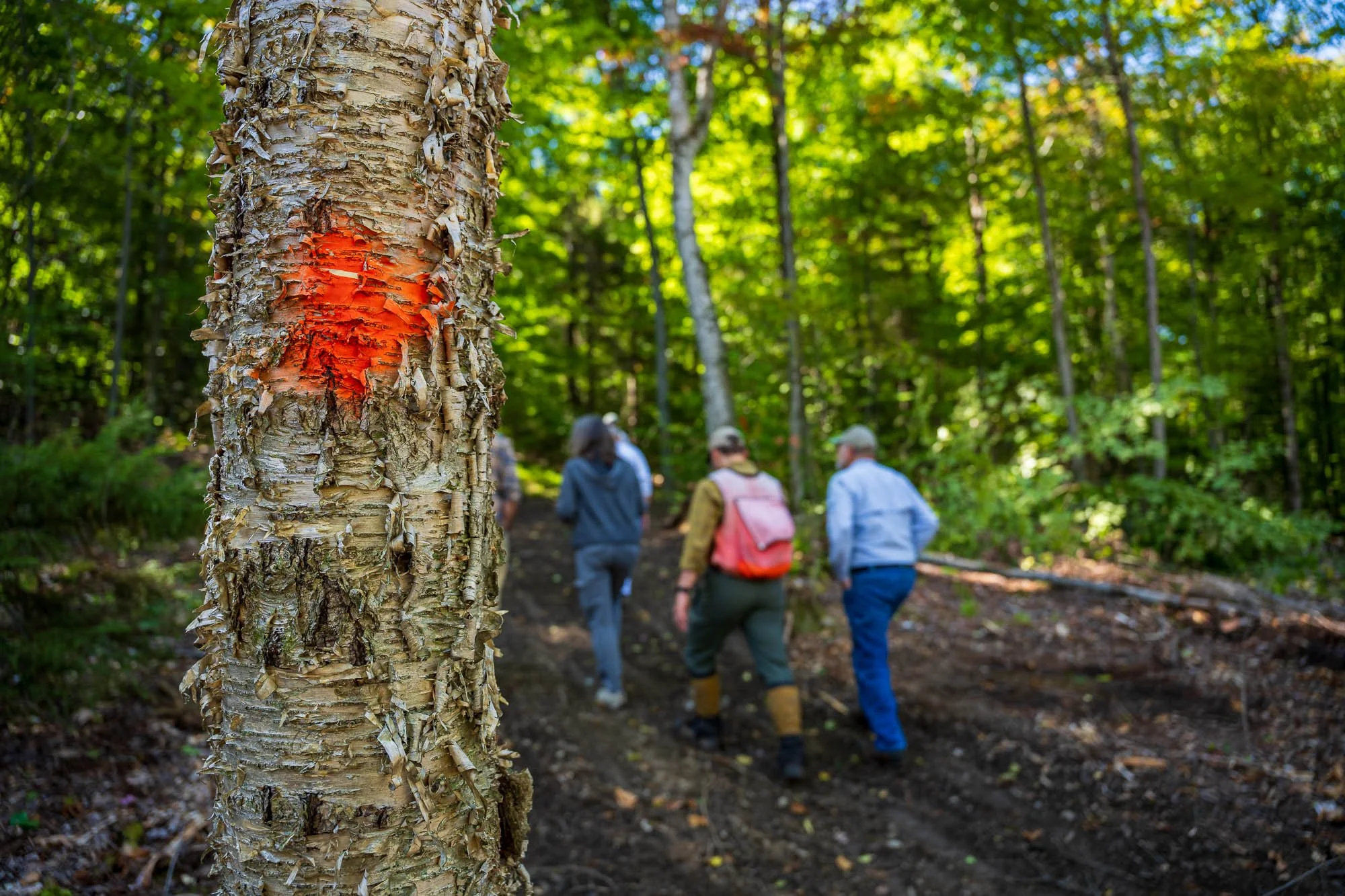
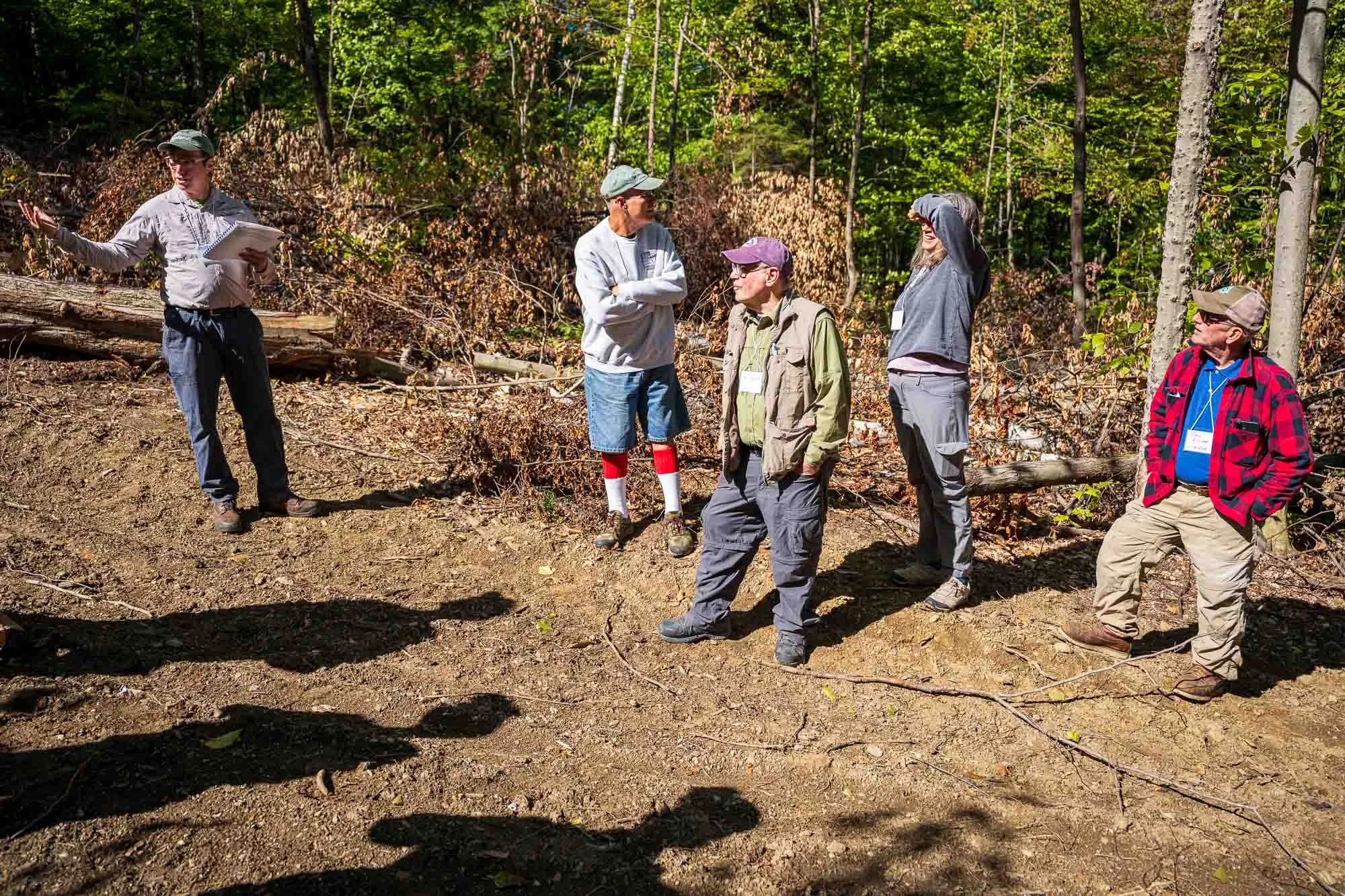
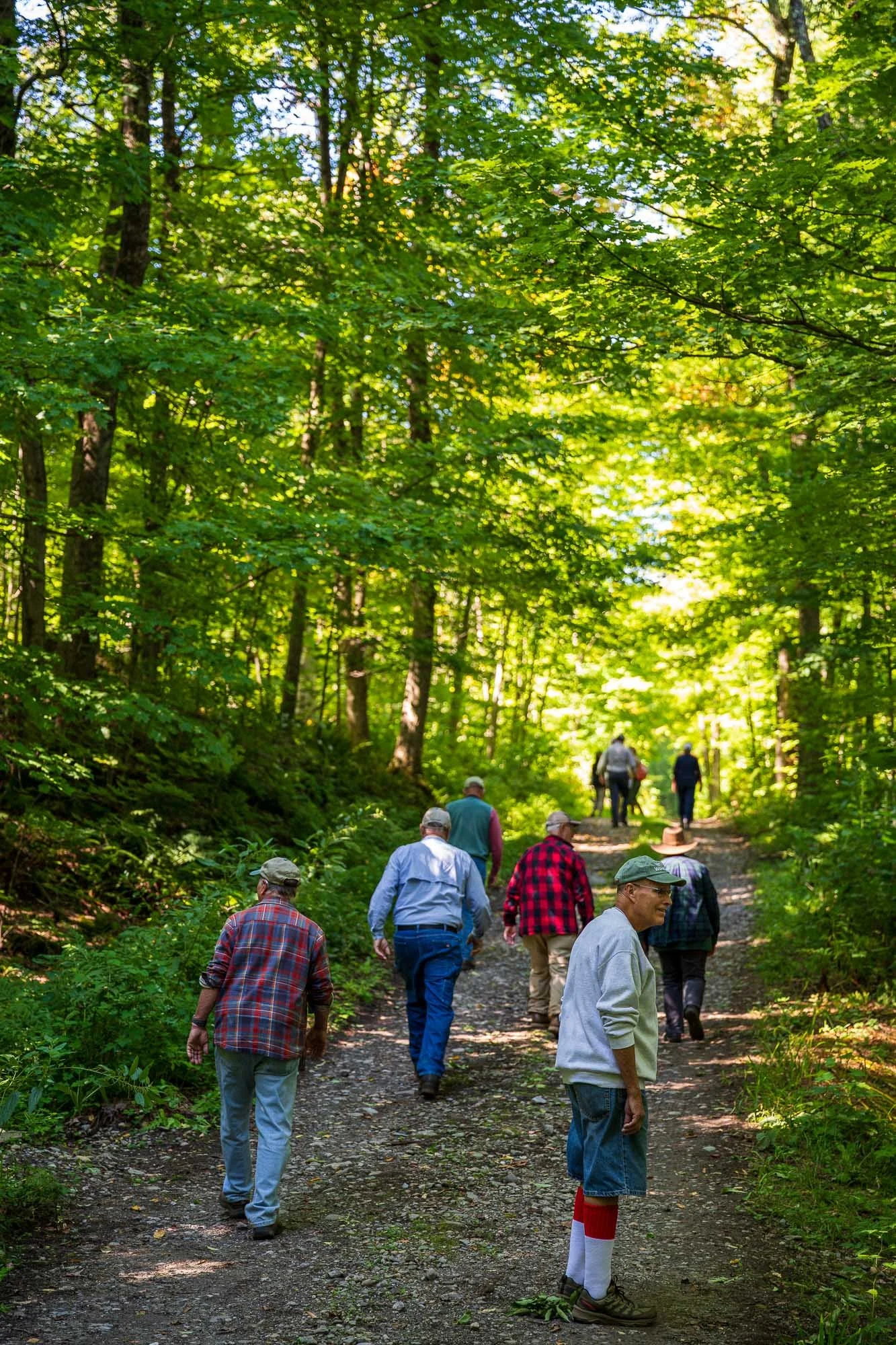
We hike to our last spot. My mind is churning through the dissonance of beauty and utility. The alternative to extraction is not necessarily absence.
I am struggling a bit to stay on the timeline of the trees. My whole life will be contained in just a few inches of their growth rings. But our choices have also changed the playing field for all of these dynamics. Climate change is a wildcard, another uncertainty these decisions have to account for, especially on land that belongs to all of us.
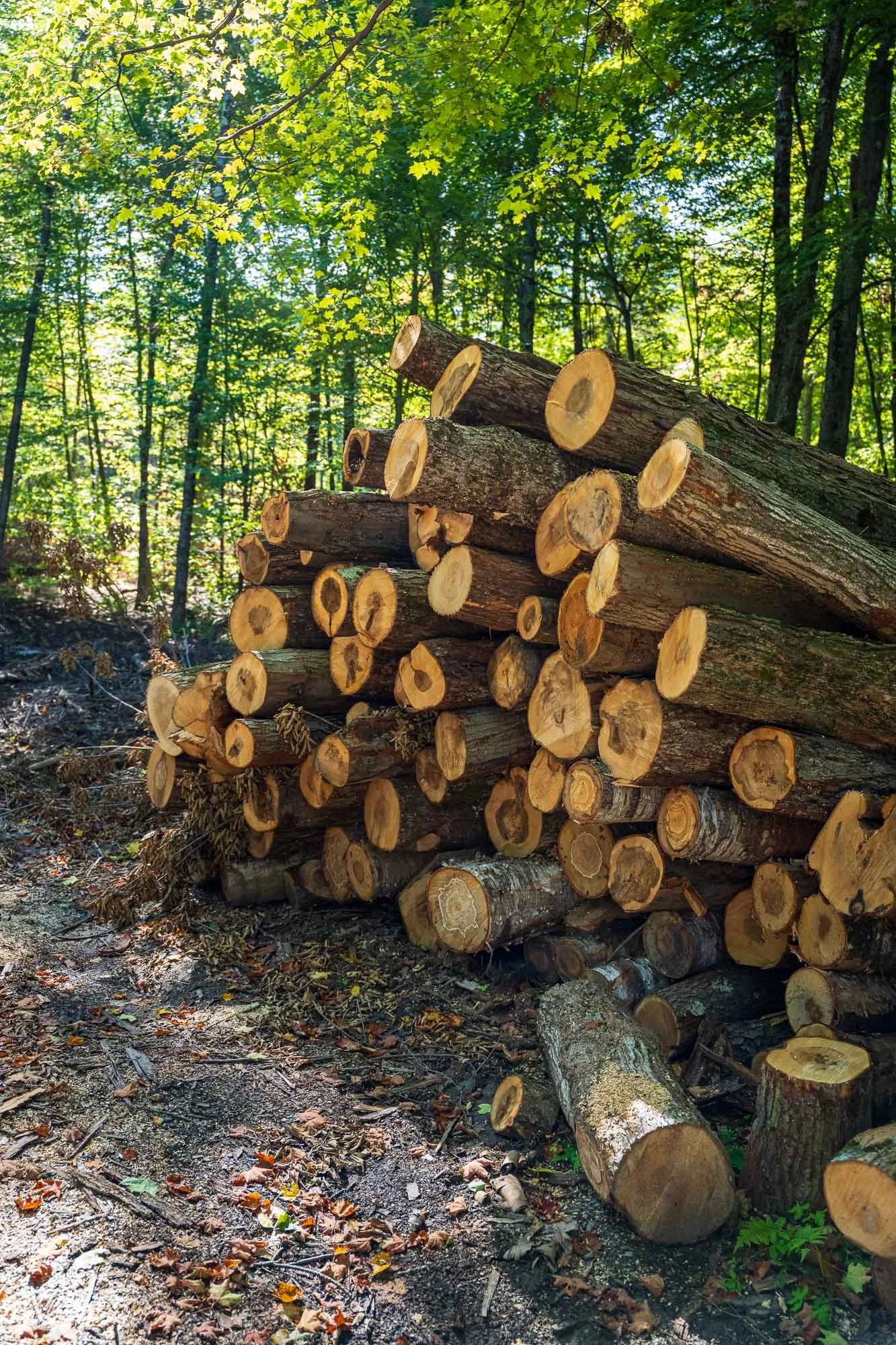
As the group looks into a dense thicket of regeneration, Brandon explains that this site was harvested only eight years ago. The trees that were removed were Norway spruce, a plantation of non-native species from when this landscape looked very different. The plantation itself was another human intervention, an attempt to replace what had been lost.
Steve looks at the site and sees bird habitat, which calls up yet another timeline. Their short lives will likely be encased in just a half-dozen rings of tree growth.
We shuffle back toward the bus. There is an awards ceremony to enjoy now. The Hinesburg Town Forest was recognized as Forest of the Year. These are not New York Times headlines, but there is a distinction worth noting.
This is a forest that belongs to the town, to many people, and it must accommodate many ideas of what a forest is for.
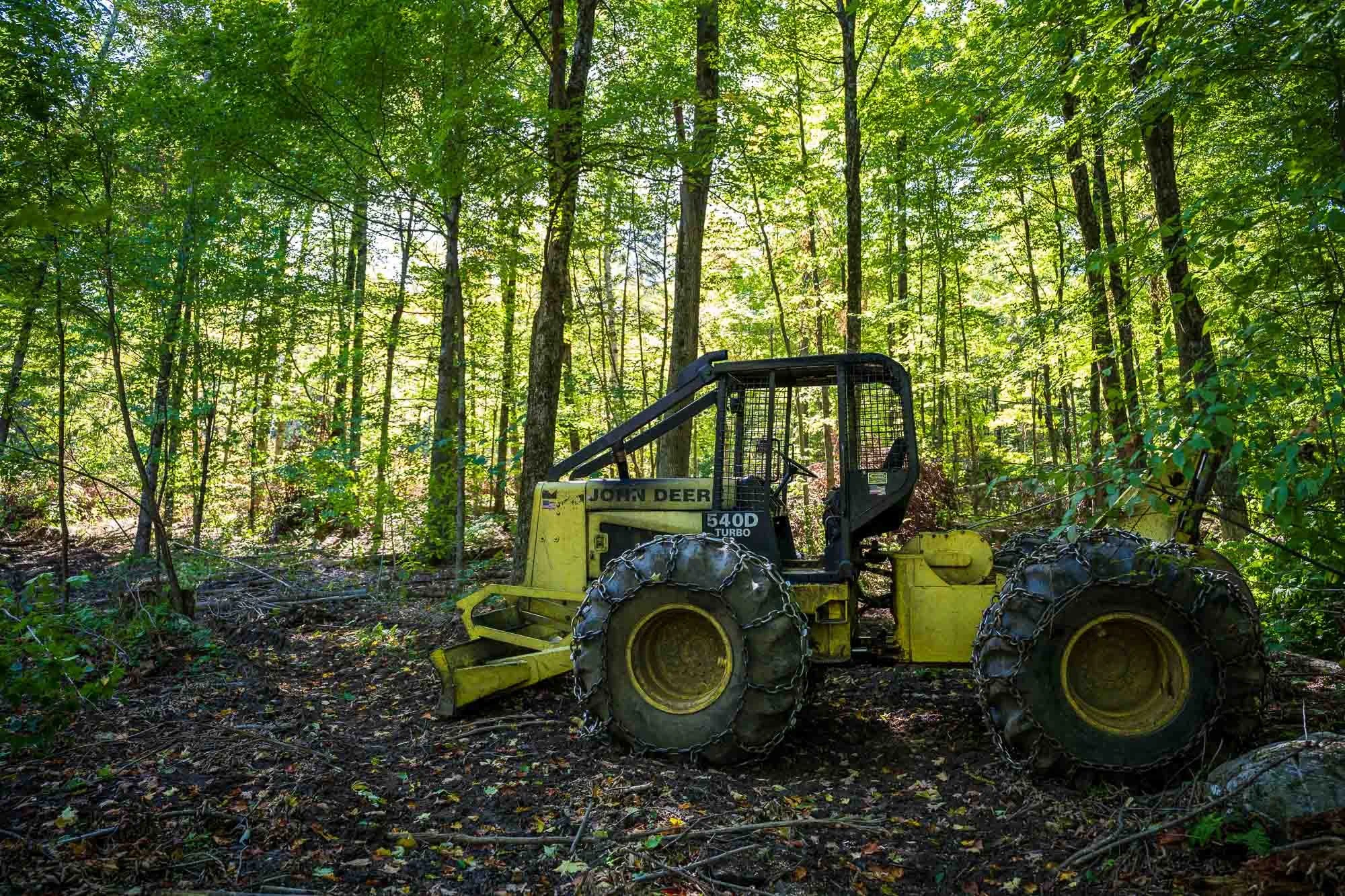
On our way back I see deer scat. Our group gets passed by a guy out trail running. We pass the logger’s equipment, and deep in the brush I see what’s left of an old stone wall.
River time
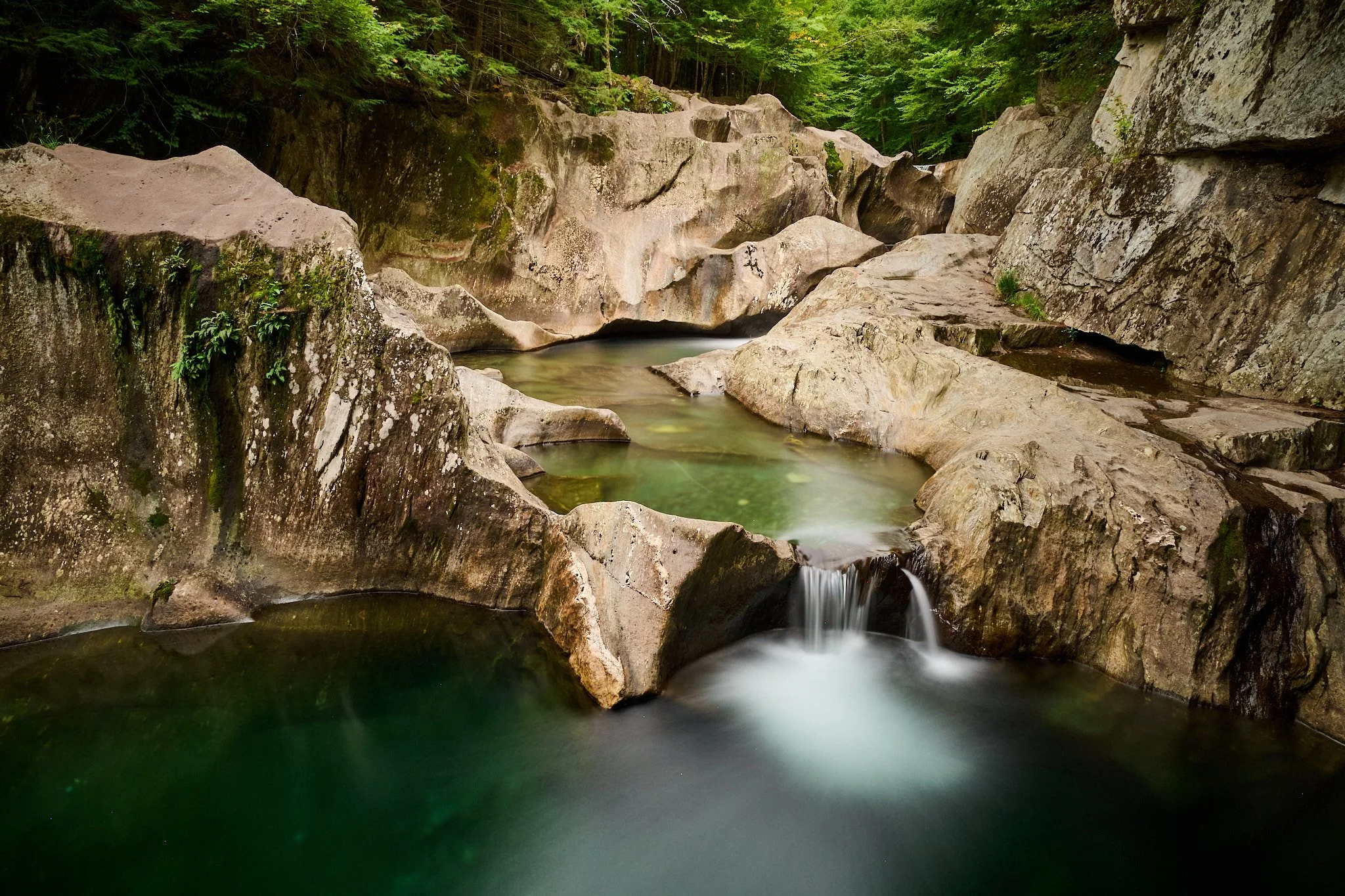
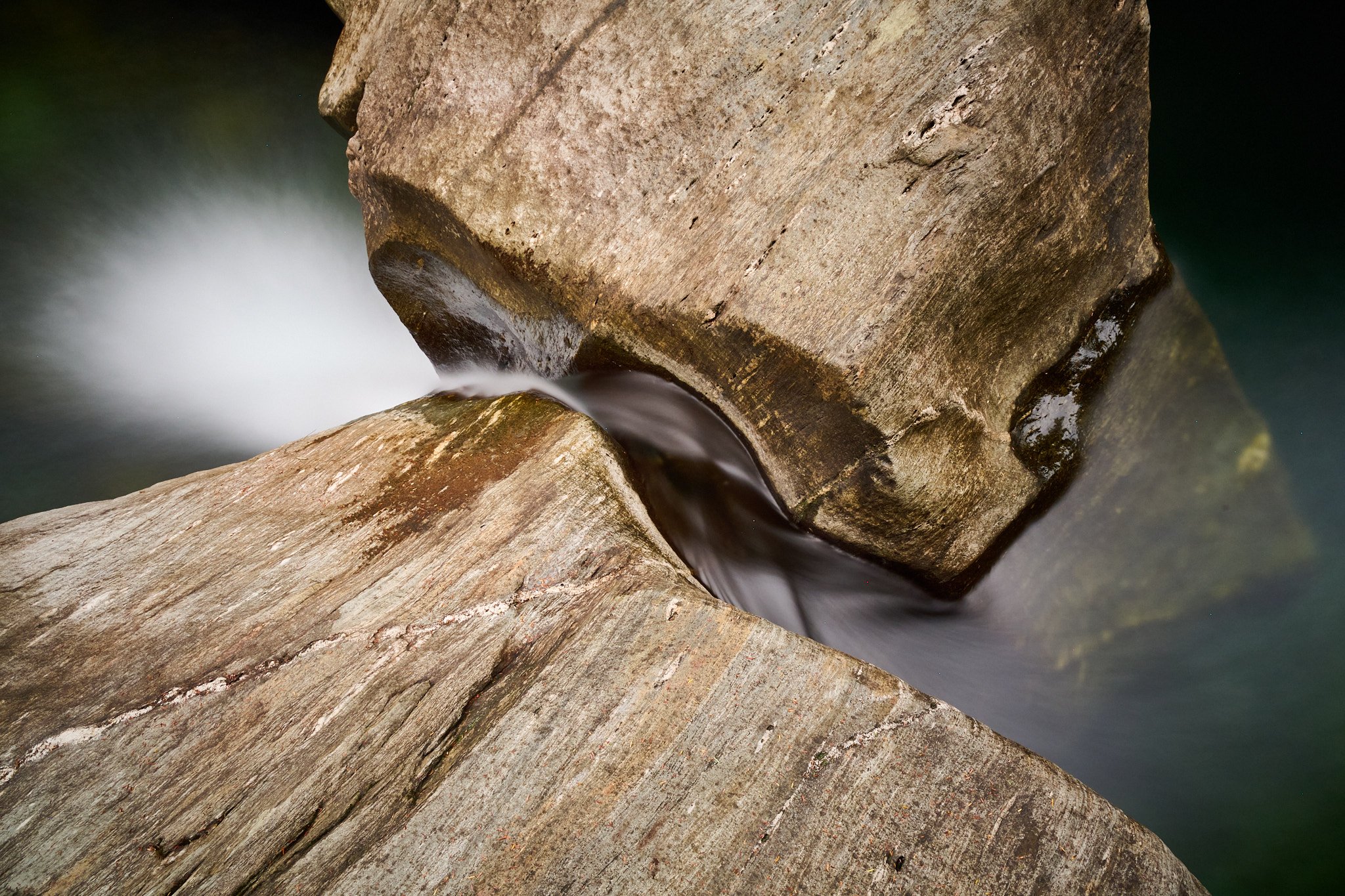
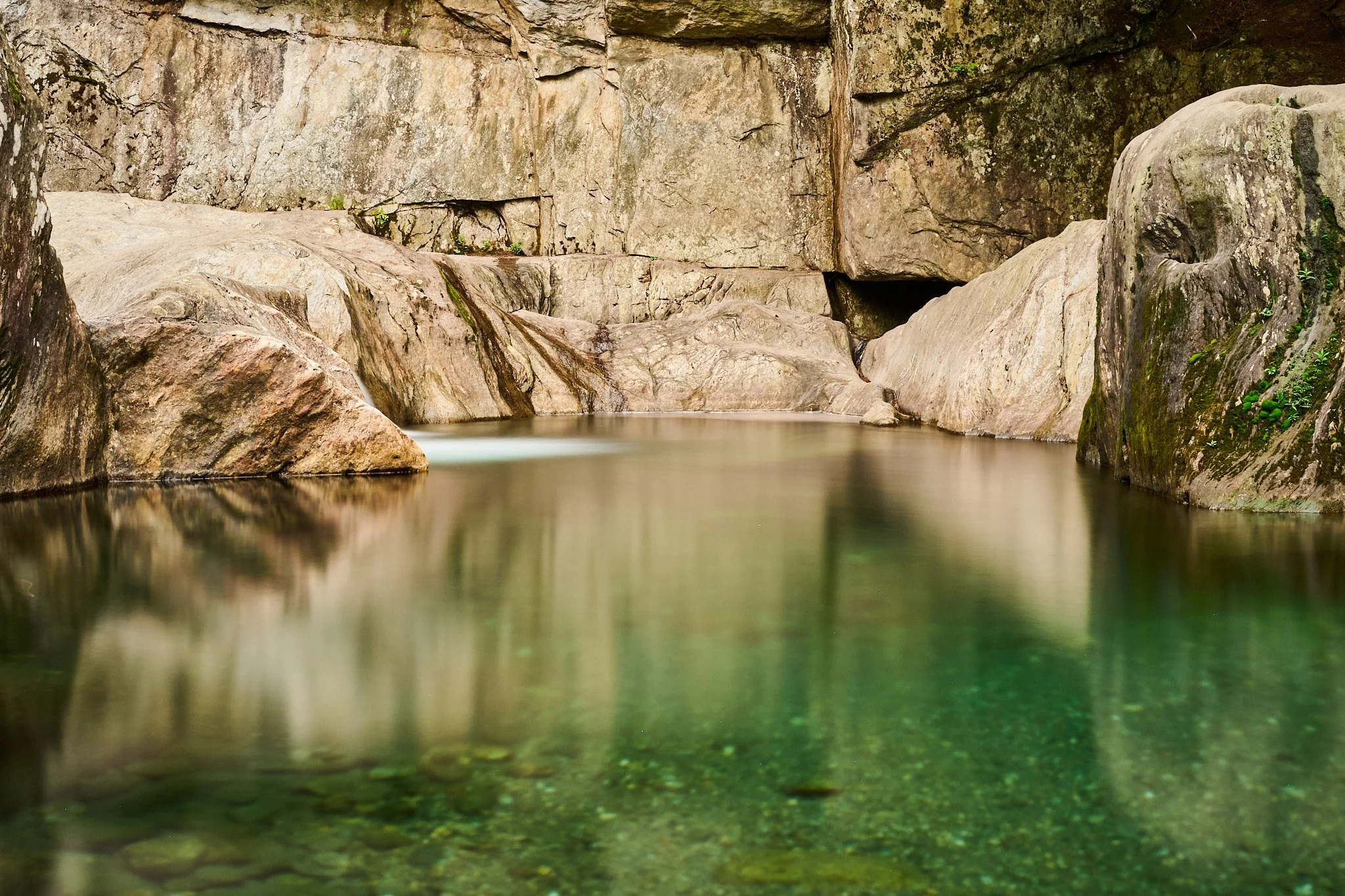
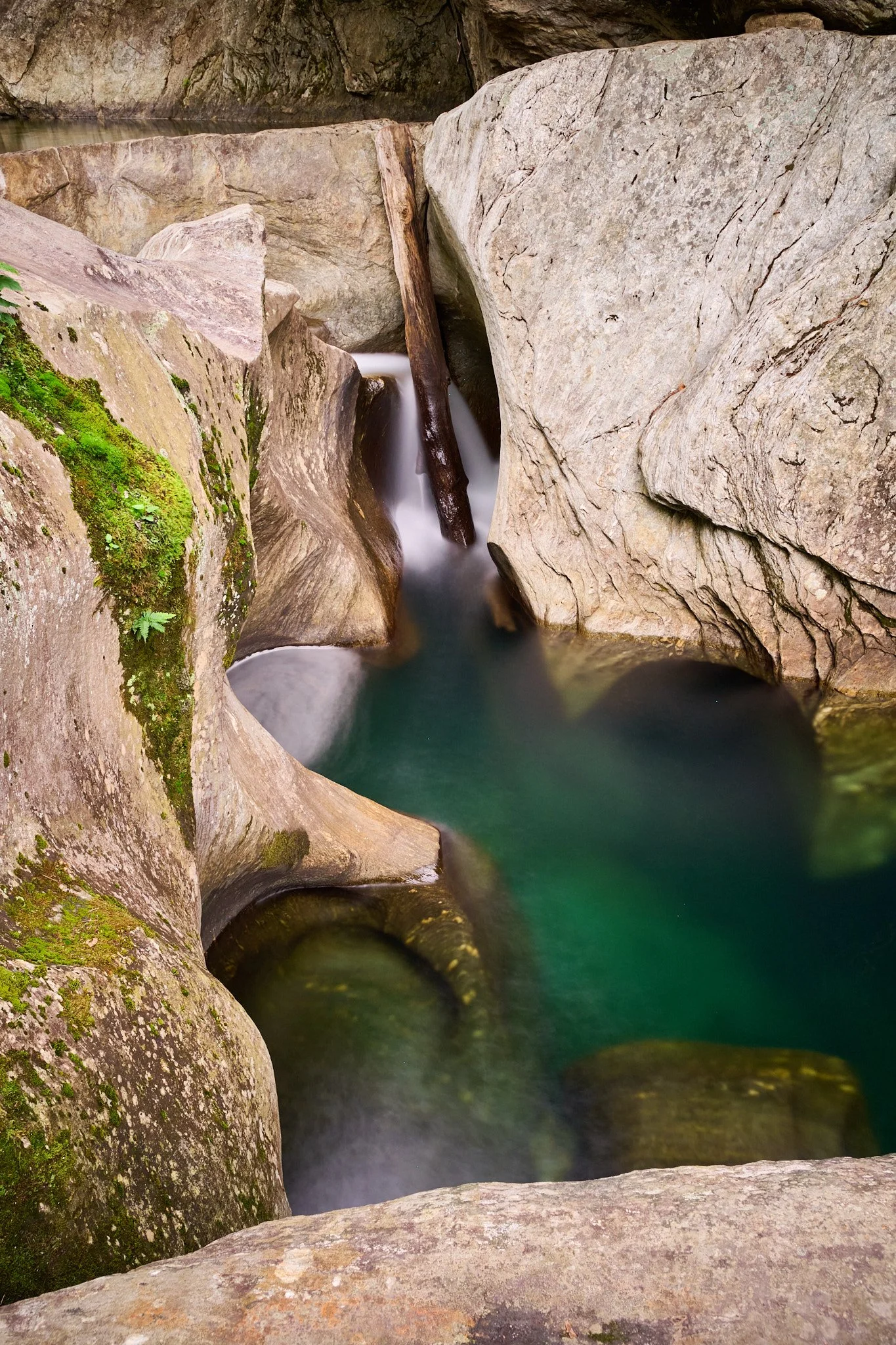
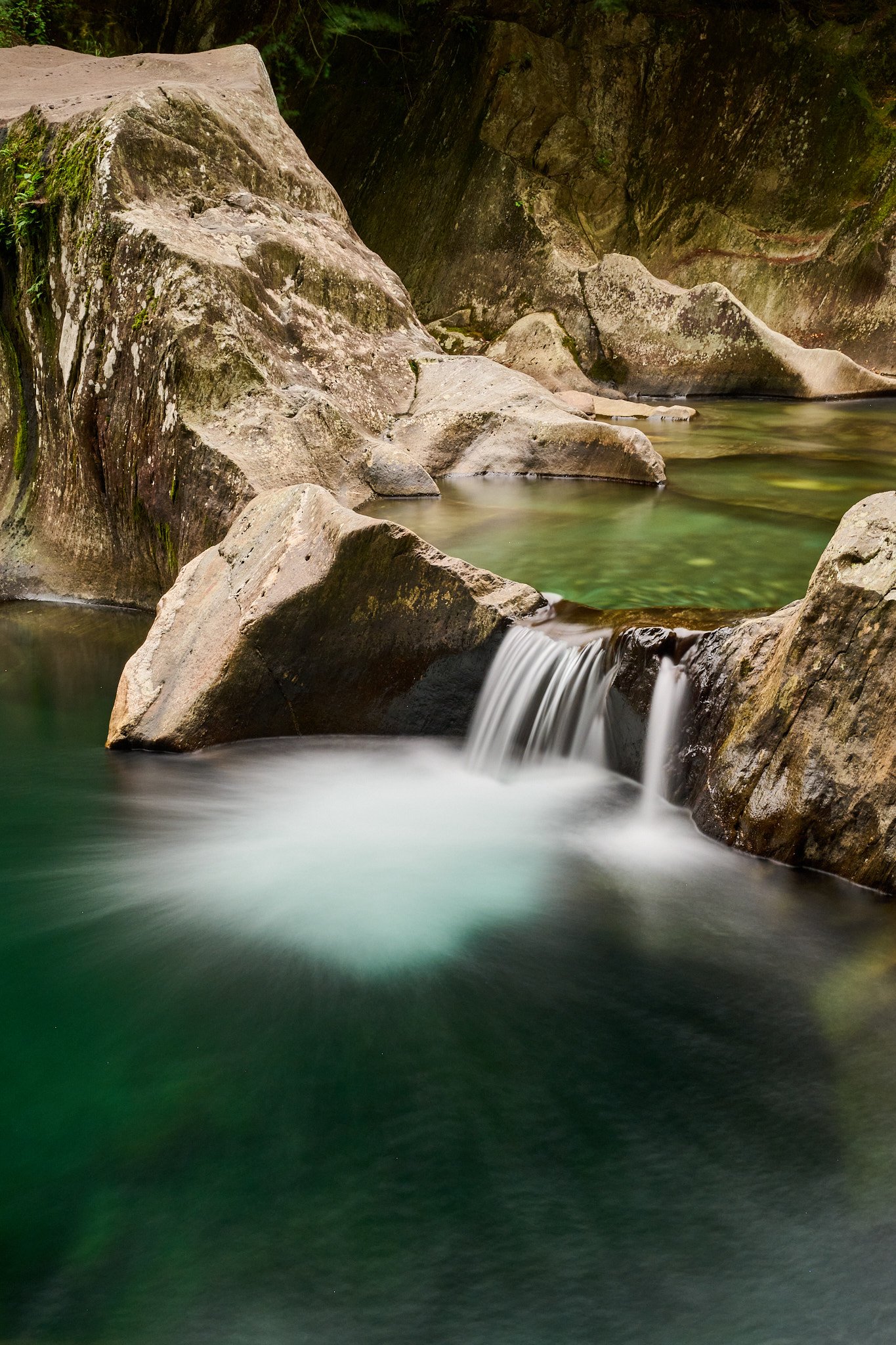
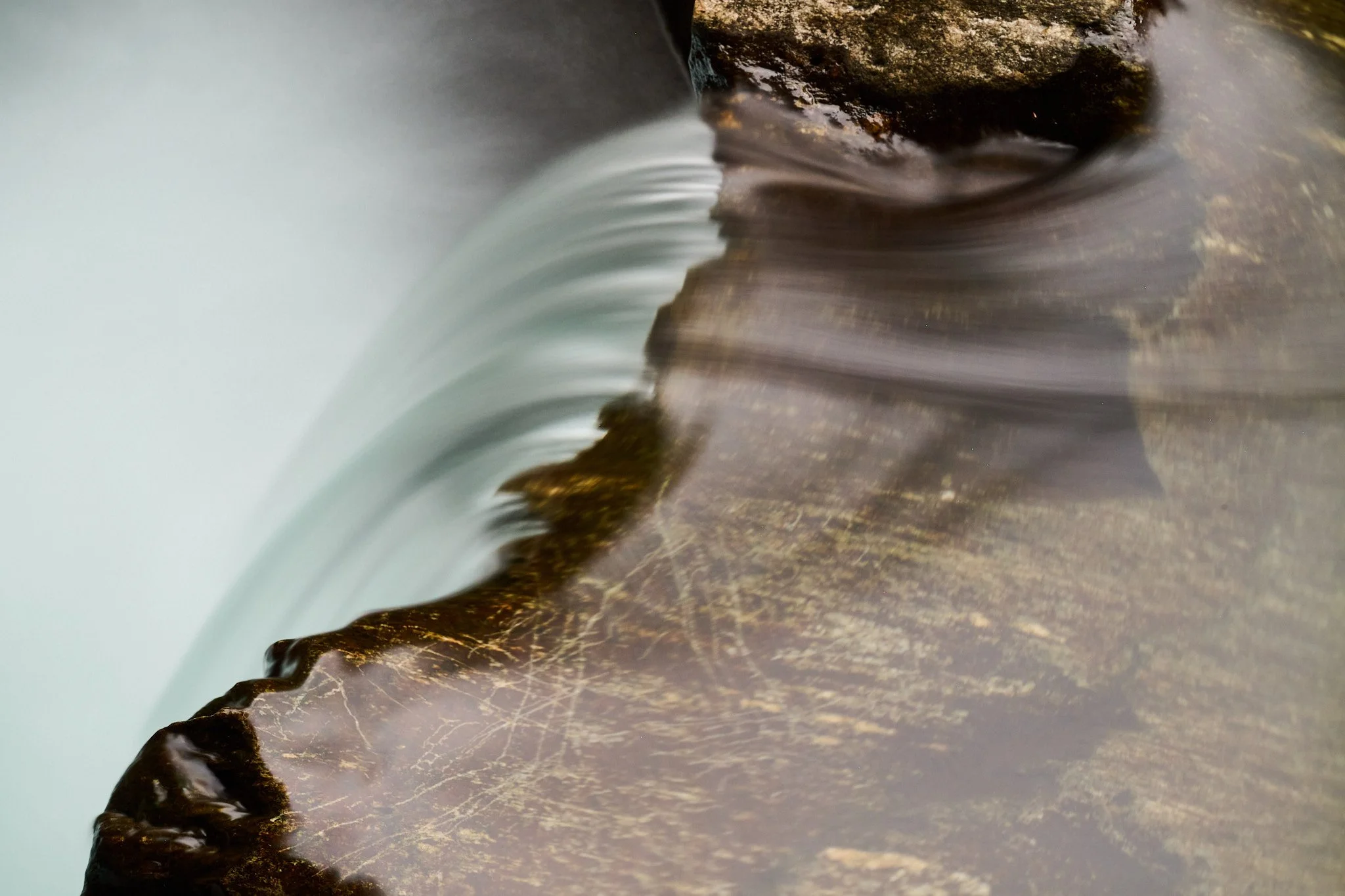
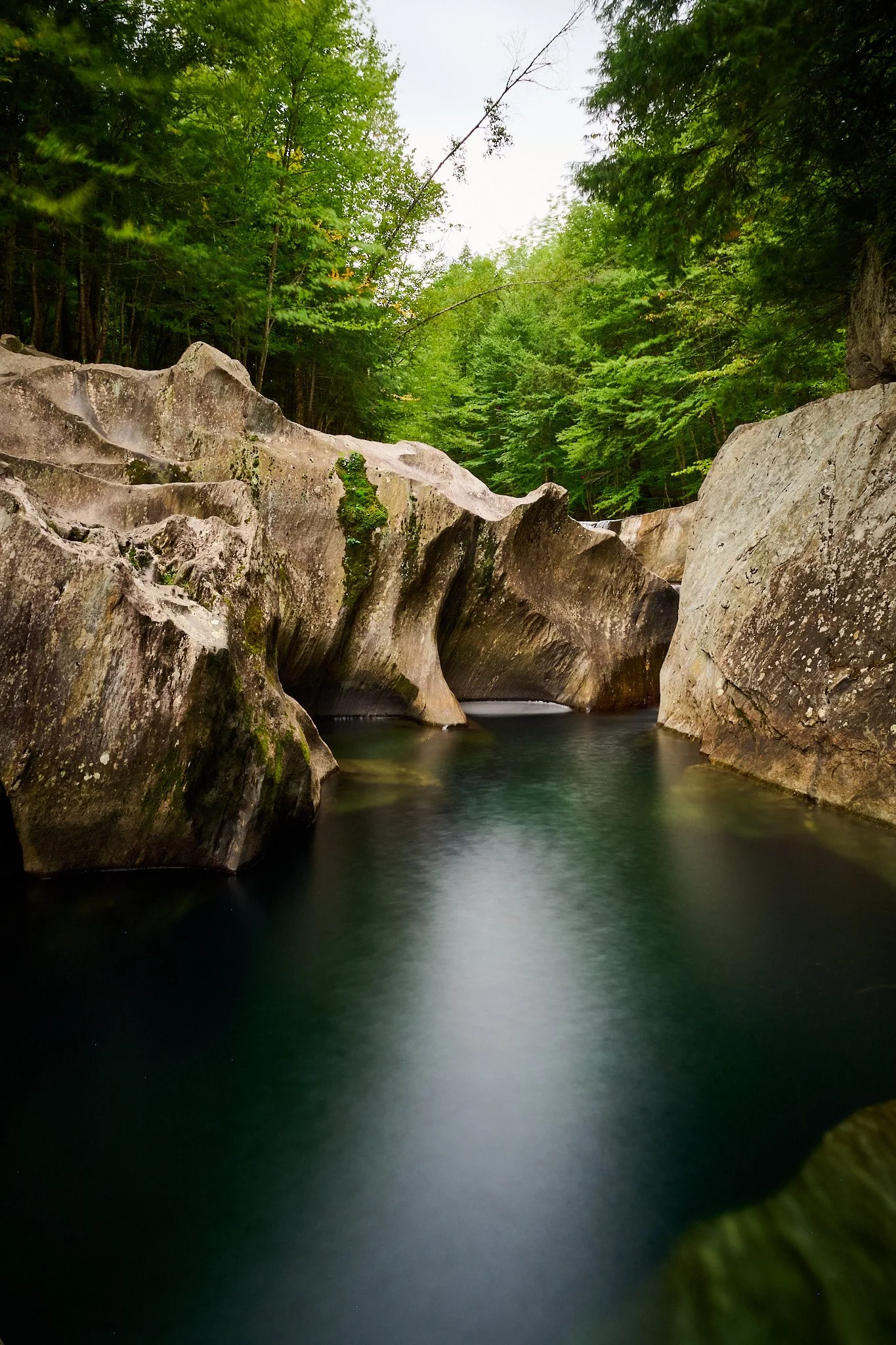
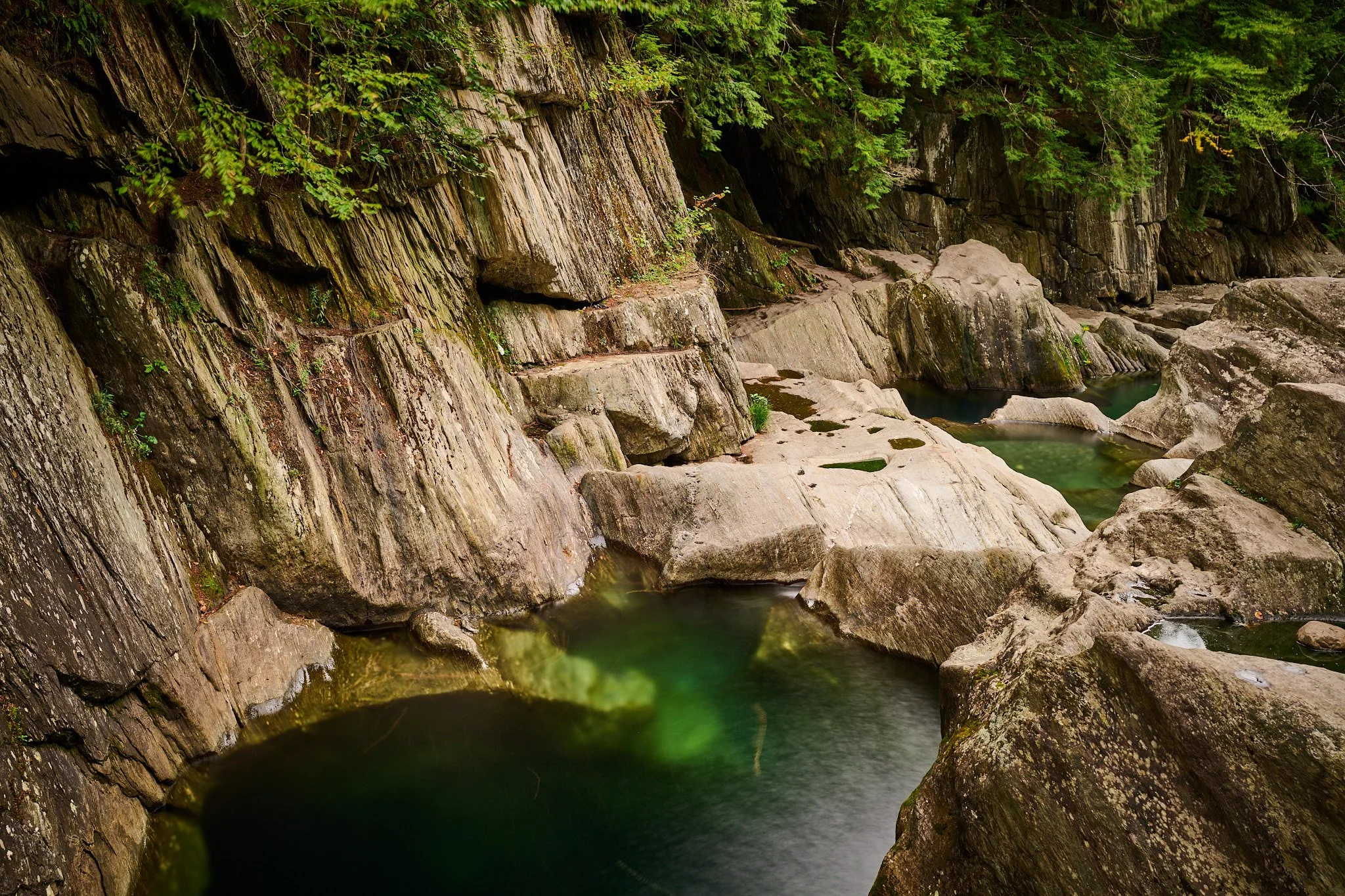
An empty swimming hole, an overcast afternoon, and an hour that disappeared beside the river.
On my way home recently, I passed a swimming hole that only a few weeks earlier would have had cars lining both sides of the road, some of them precariously parked with two wheels in the ditch. This time there was no one. Just the sound of the river and a well-worn path leading down to the water.
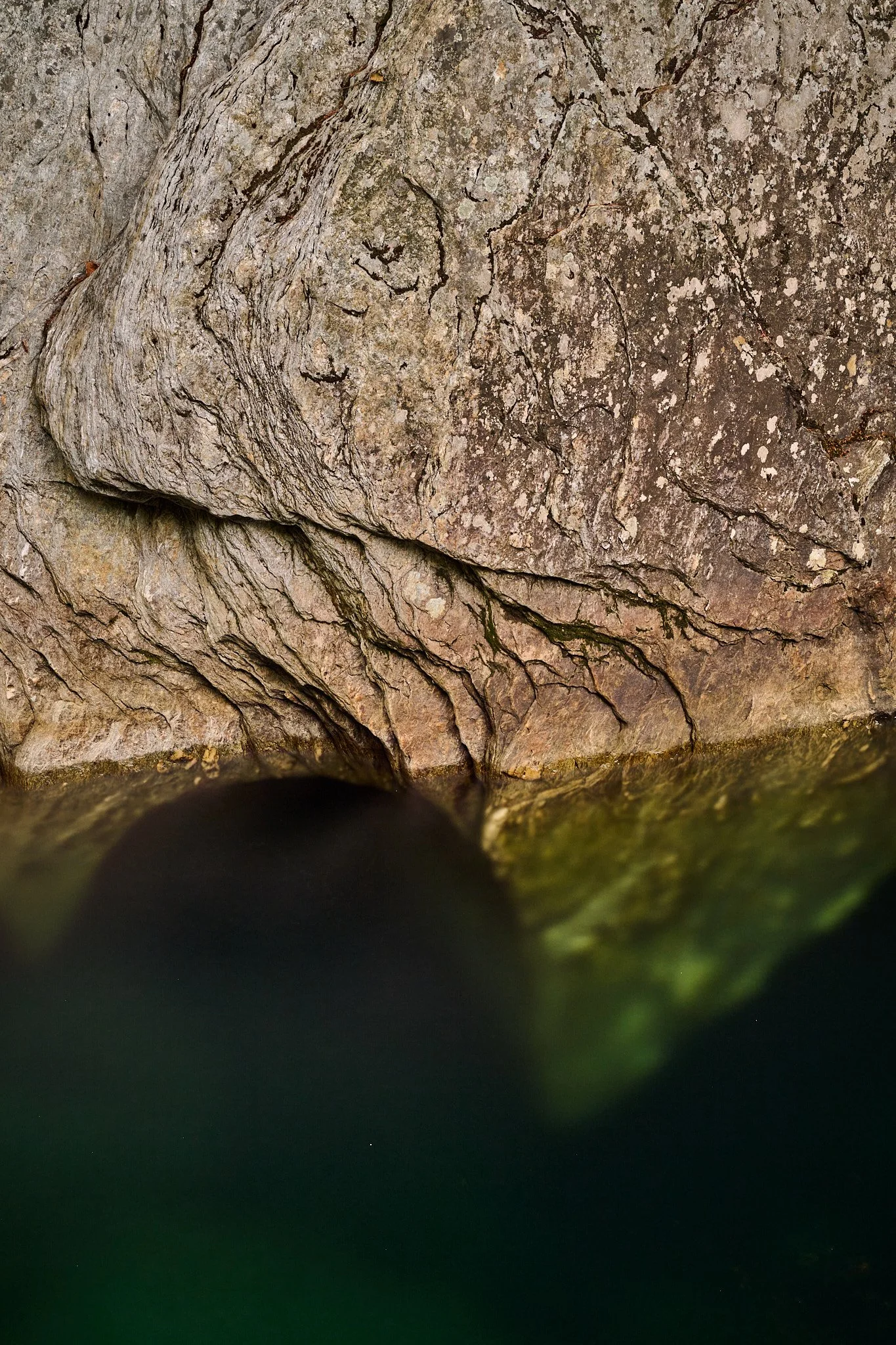
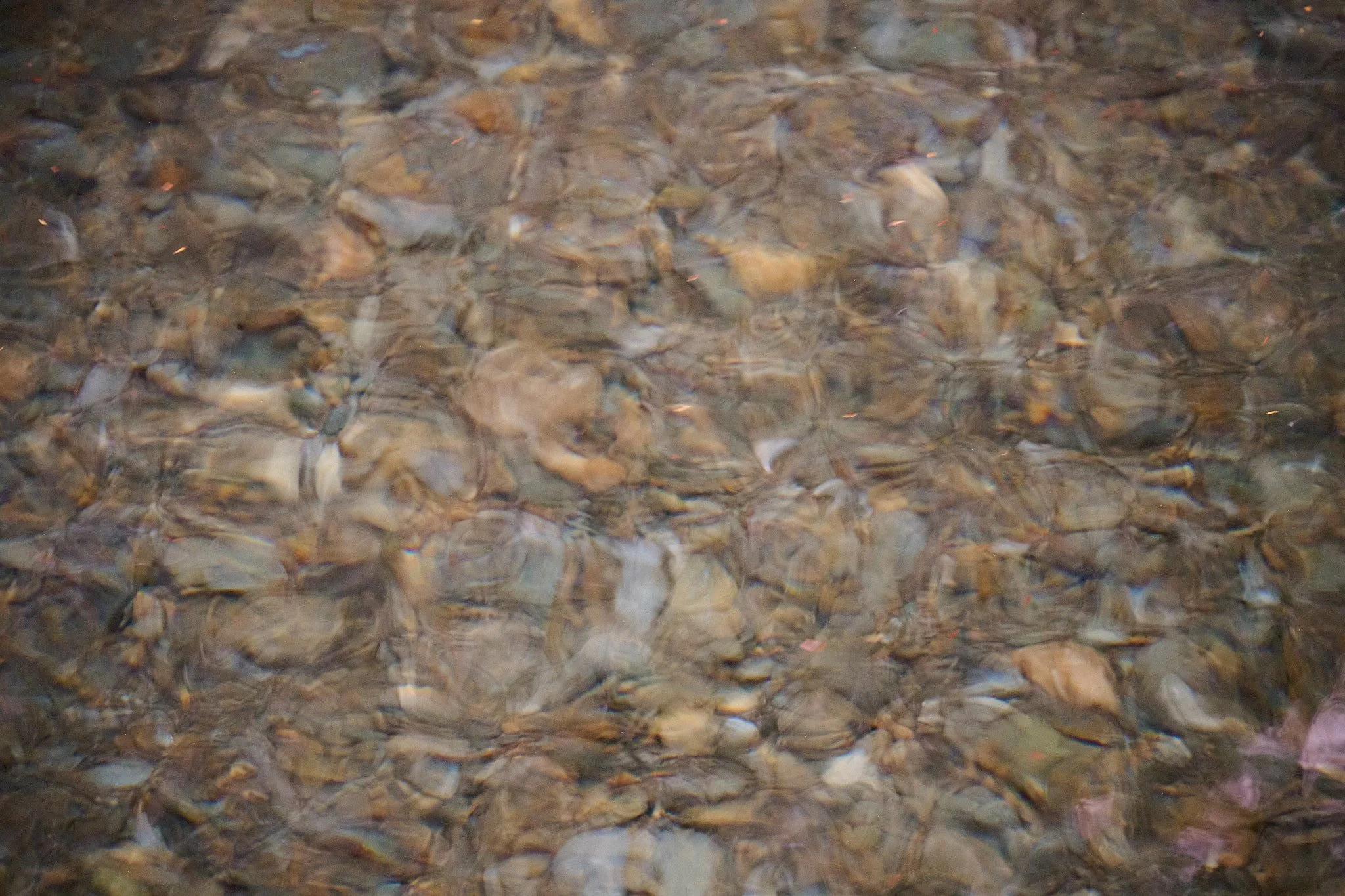
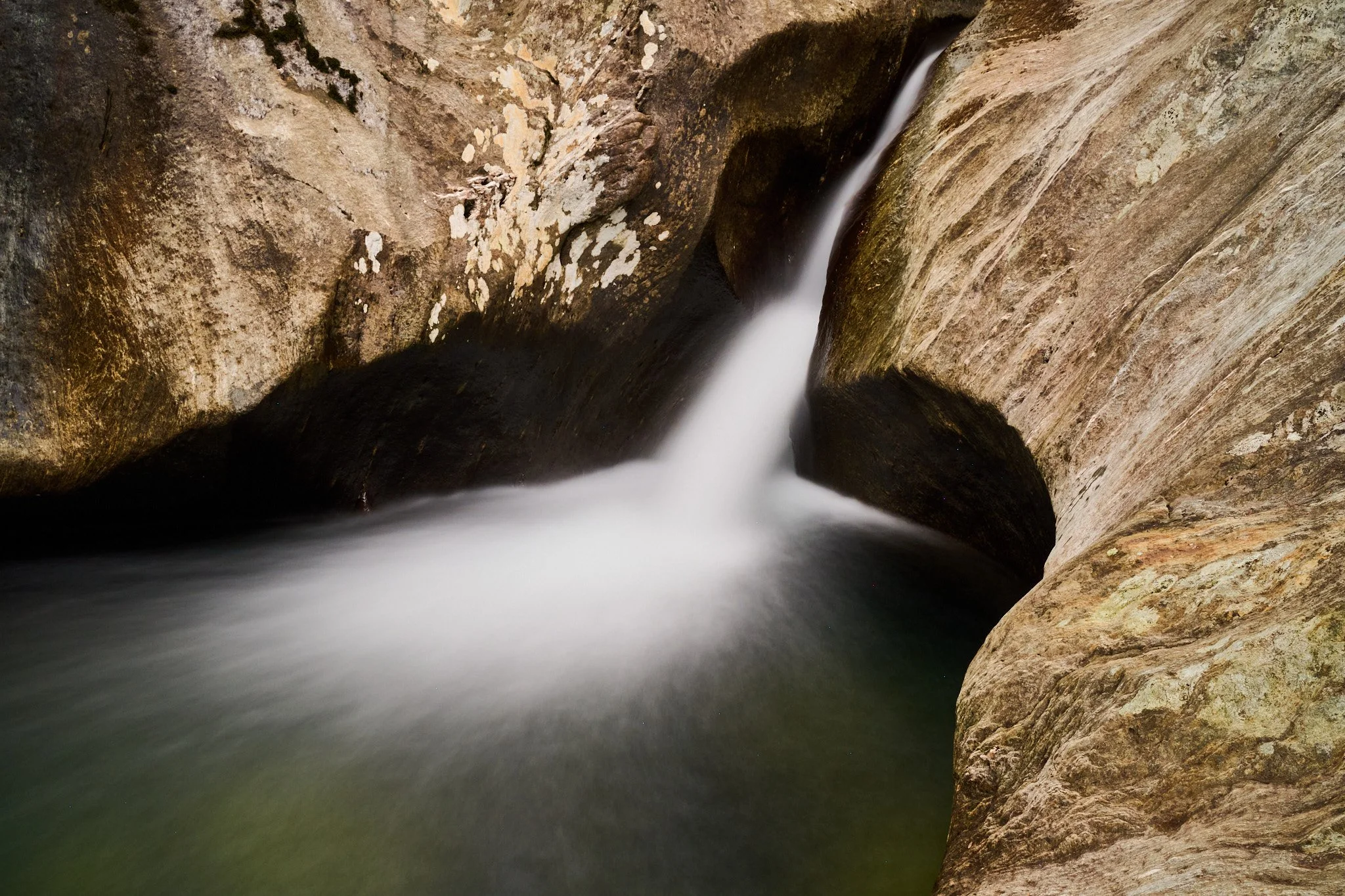
It was overcast, and the green of the water seemed especially vivid. I set up my tripod and started making long exposures. One of the things I like about working this way is that there's nothing to do once the shutter is open but look around. Time tends to disappear. You stand beside the camera and wait for that strange transformation, rushing water rendered into an accumulation of time that our eyes can never quite see.
At one point I noticed a pair of glasses on the ground. I instinctively checked my shirt pocket and was surprised to find mine still there. Someone else had been standing in this exact spot not long before me. Farther along I found a neatly folded shirt with a pair of flip-flops placed beside it. I wondered how someone thoughtful enough to leave their things so carefully could also manage to leave without them.
I worked my way around the falls, moving the tripod from one spot to another. Before long, an hour had passed.
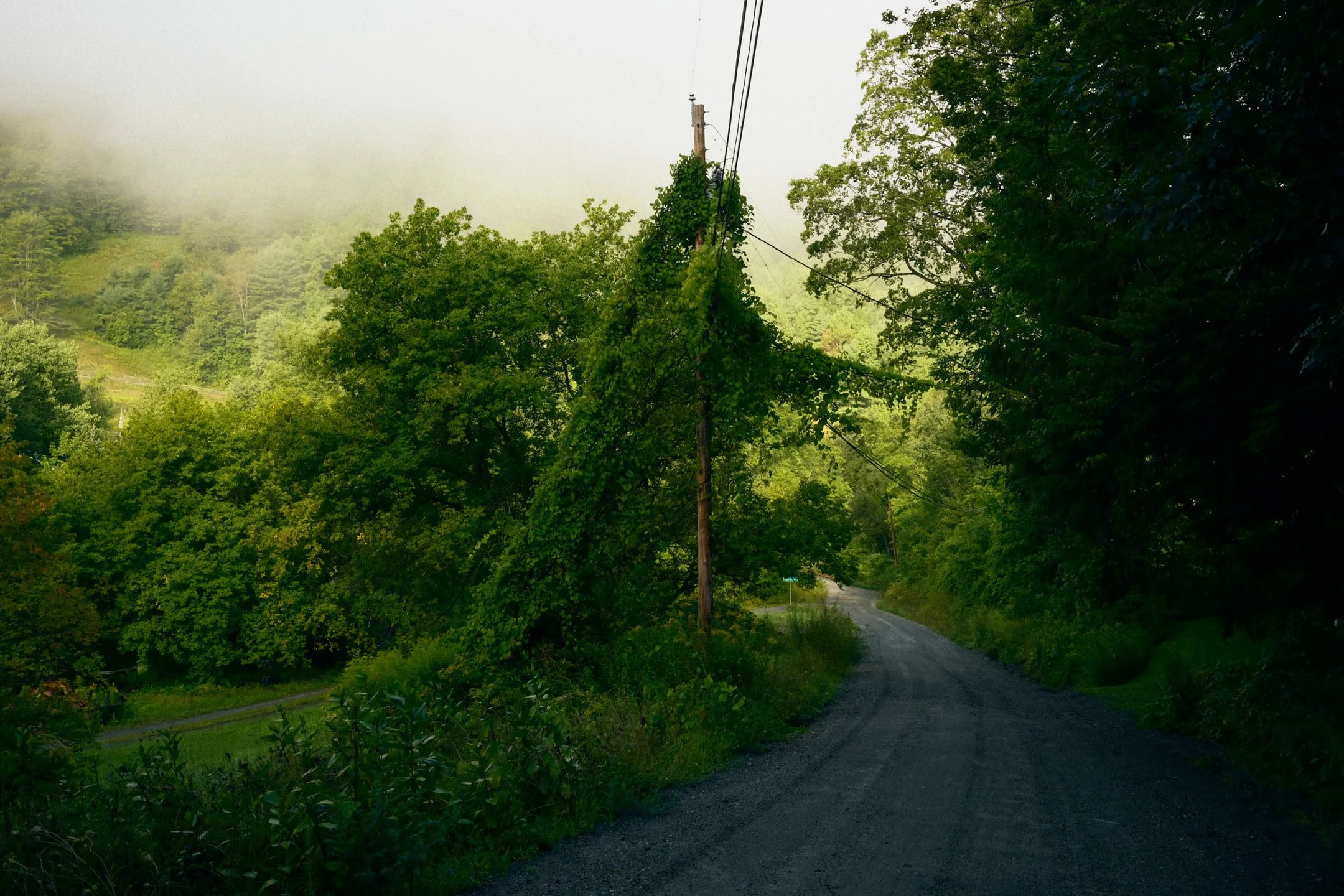
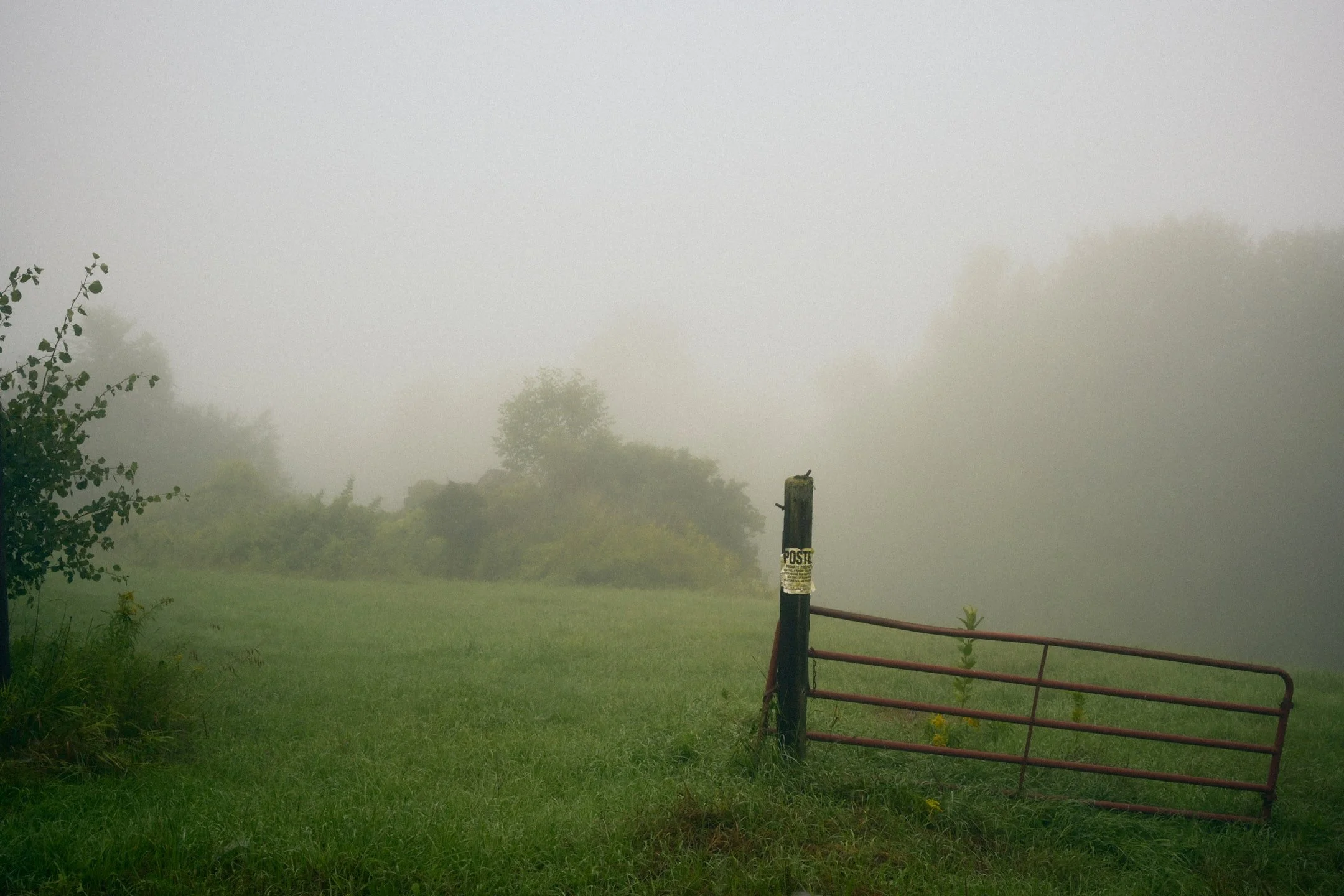
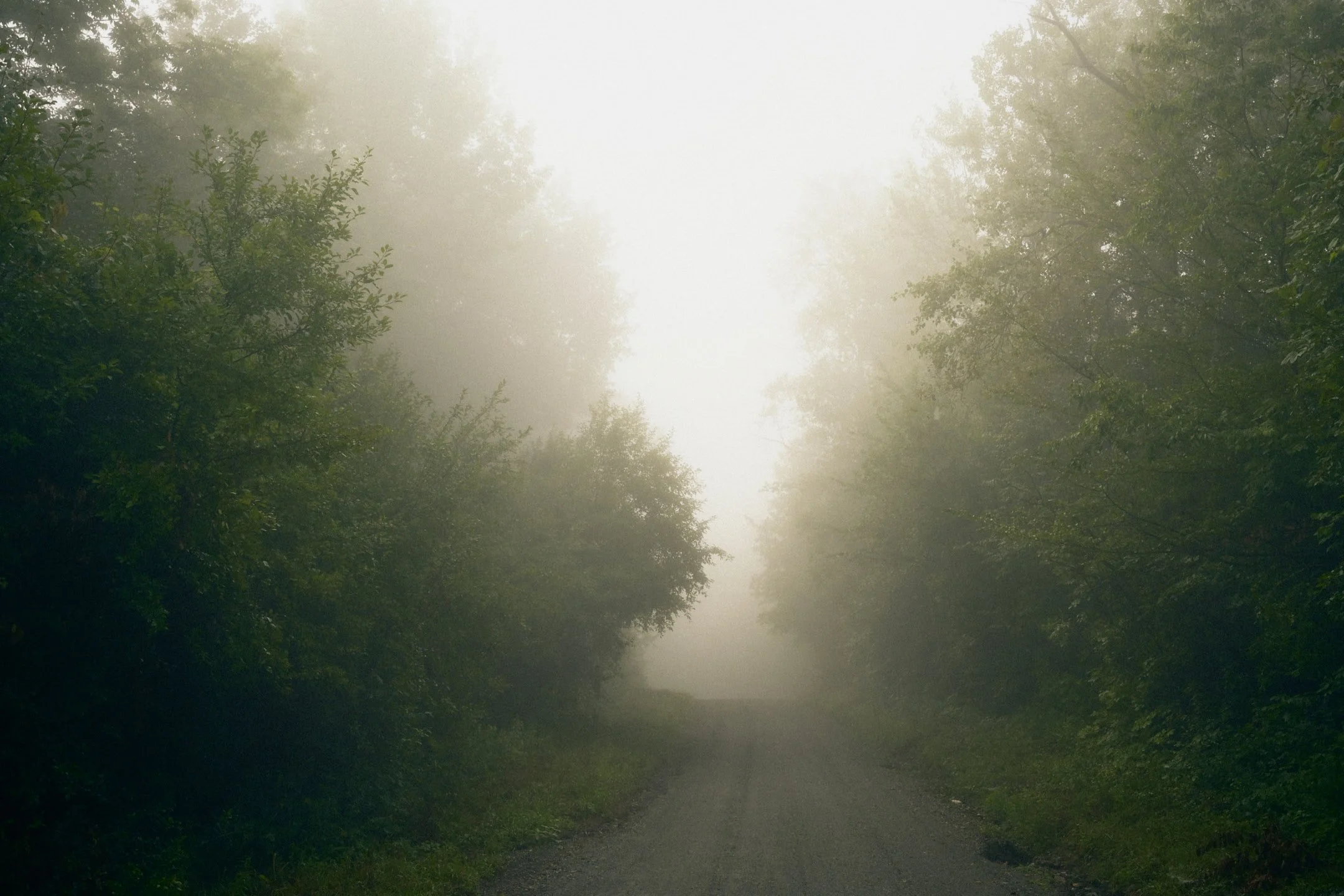
woodstock fog
A lesson from the fog about accepting what is given, and rediscovering the joy of wandering with a camera.
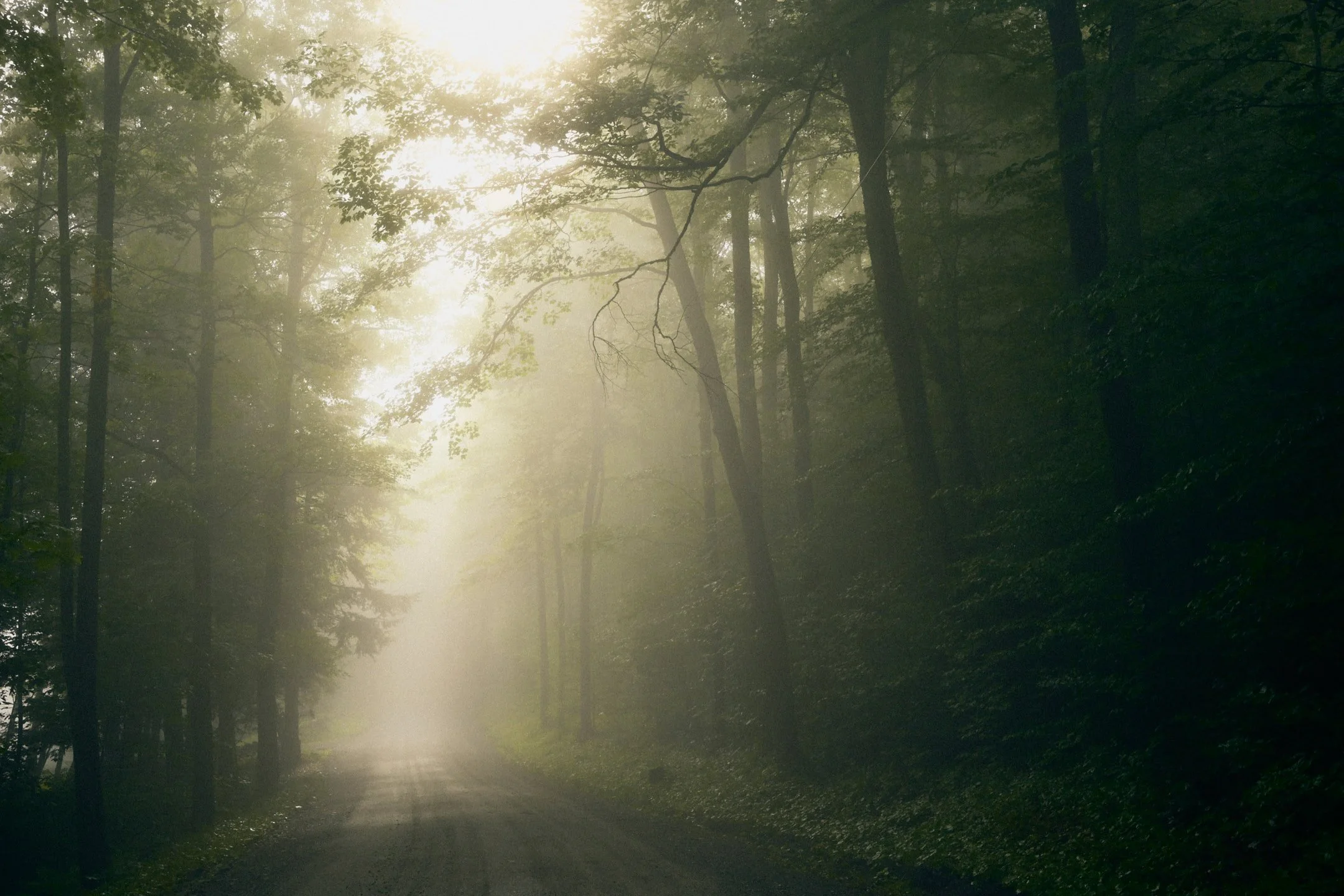
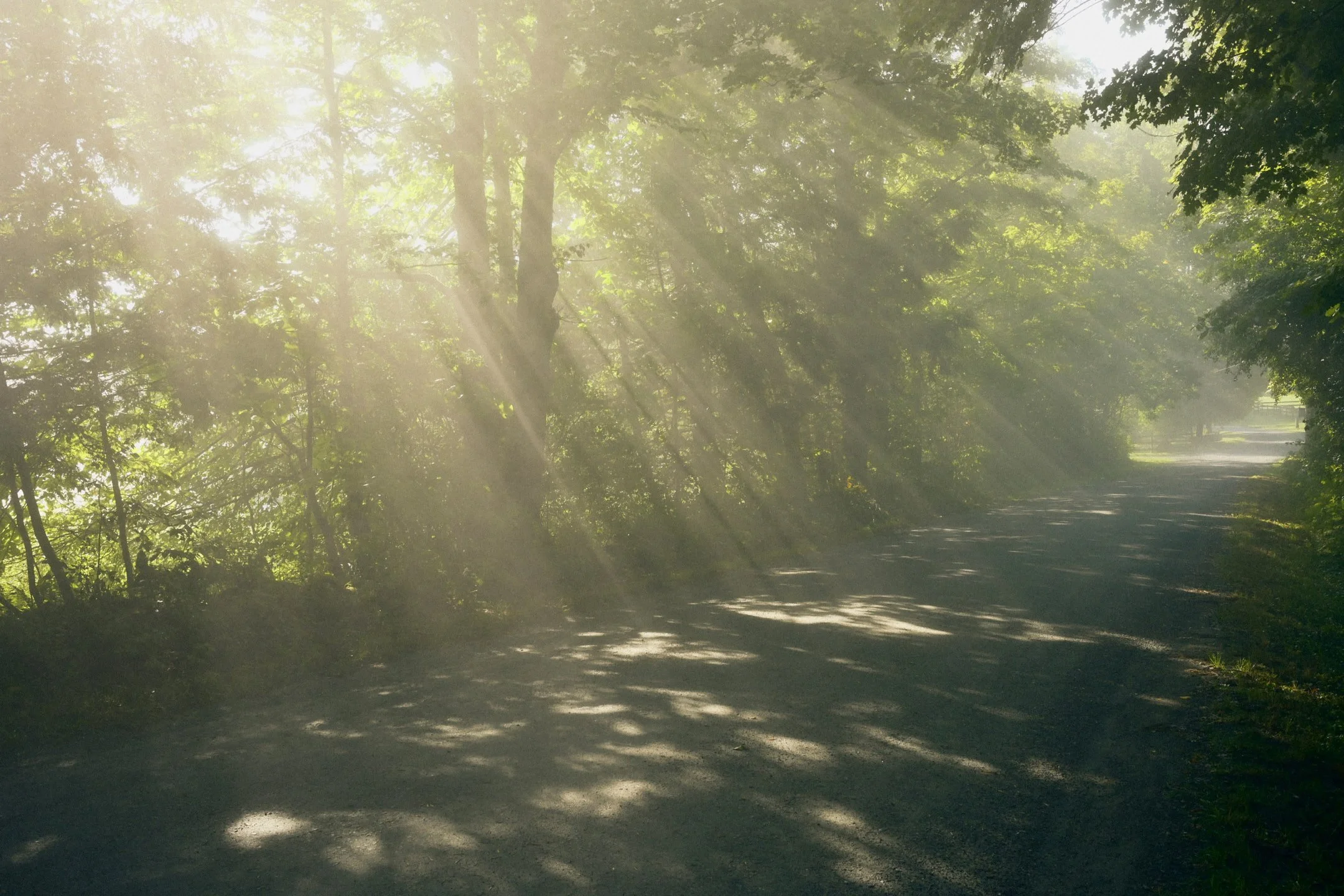
Valley fog is more prevalent now, an early sign that the seasons are beginning to shift from summer towards fall. On some hillsides I see a subtle change in the green canopy, nothing dramatic, just a slight change in the overall hue. Dusk is creeping back towards dinner time. Less time for an evening walk or a late-day swim now.
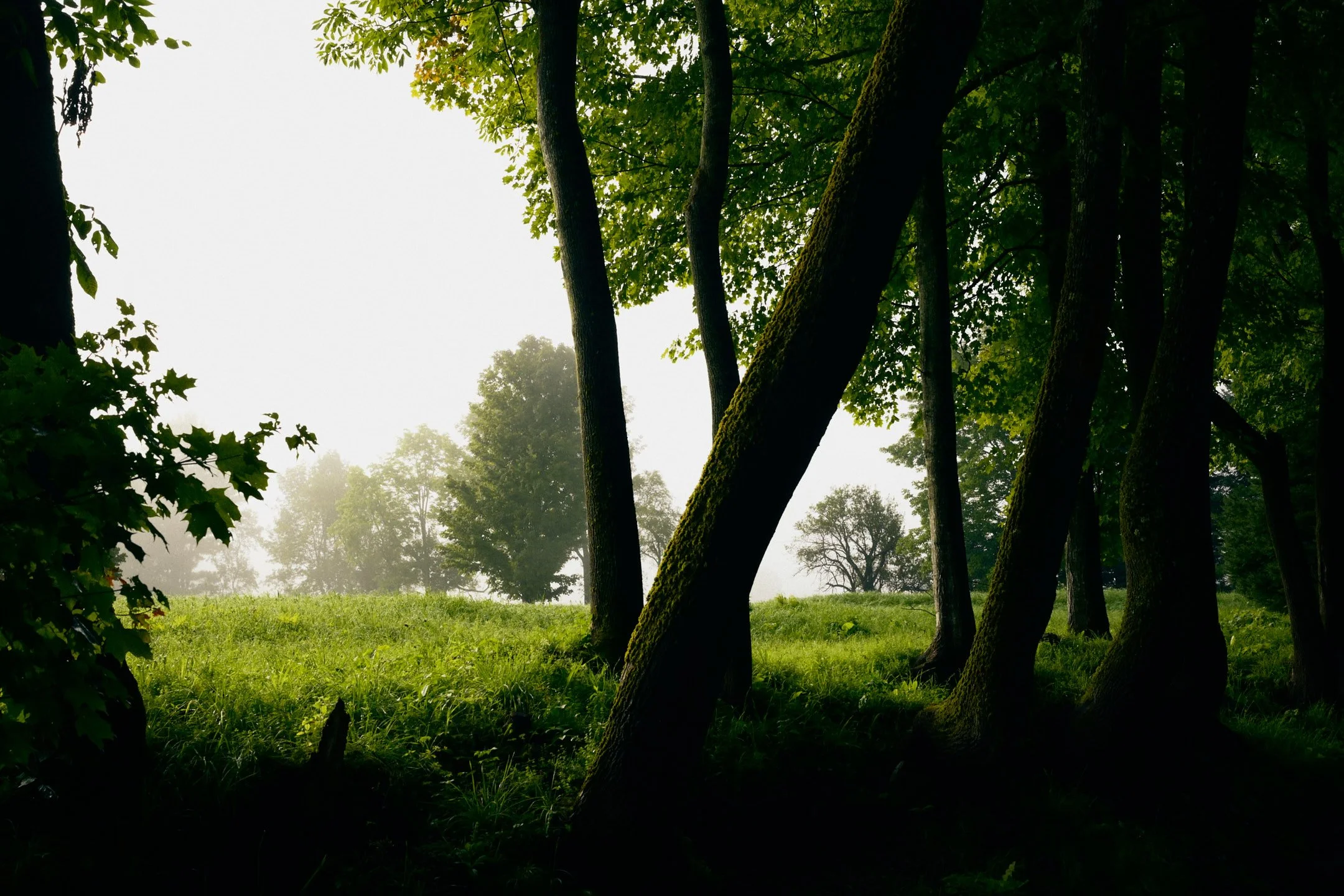
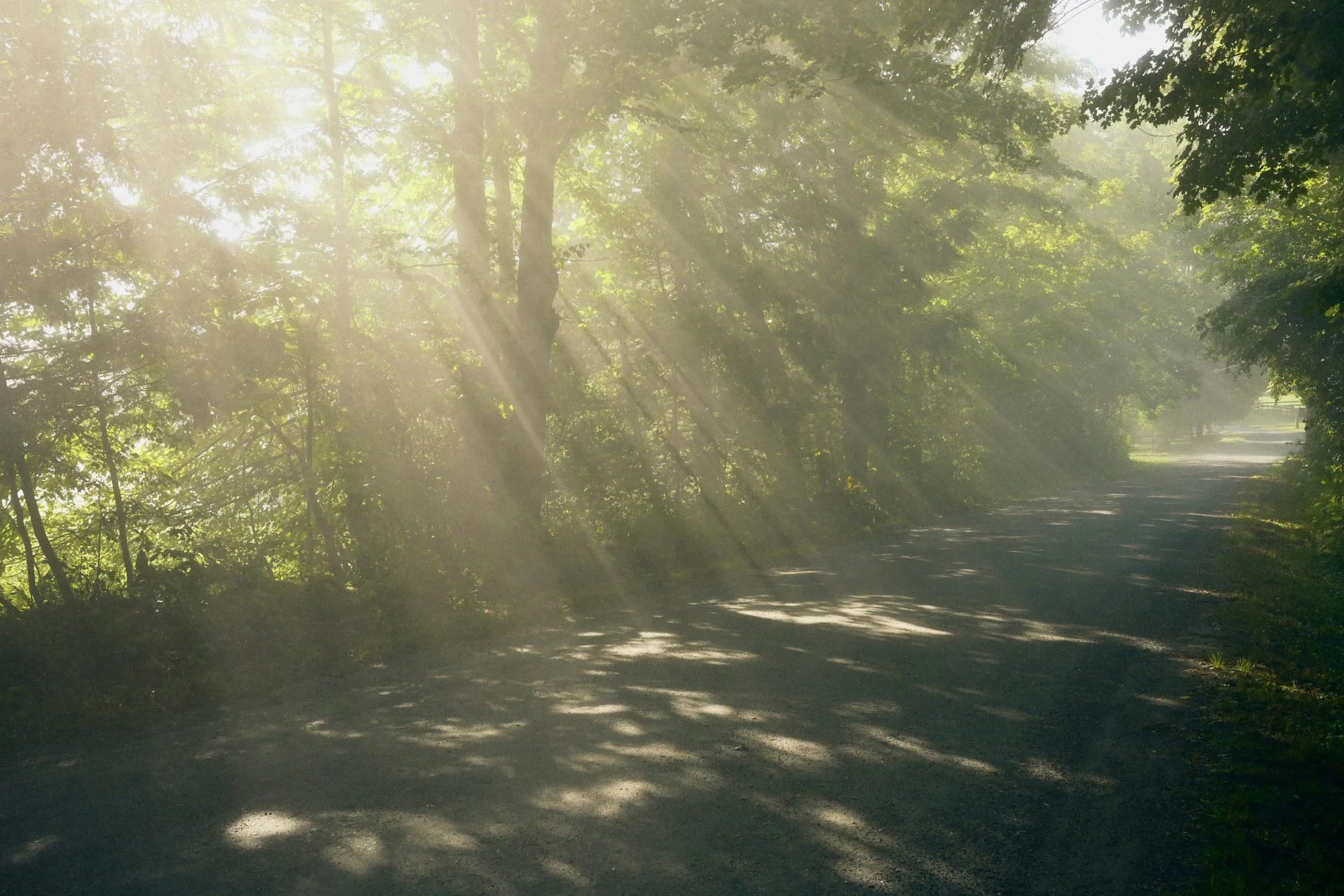
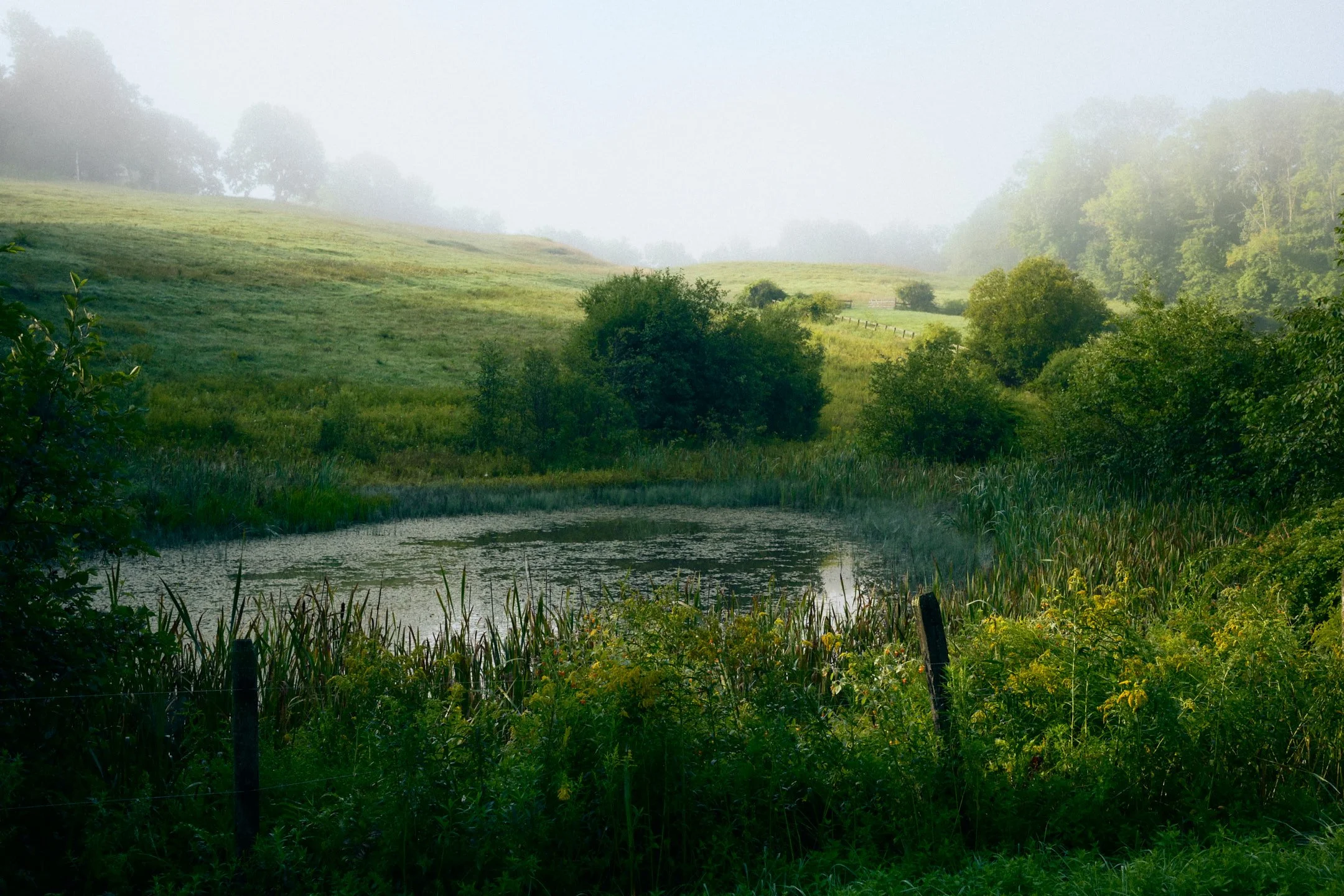
I was down in Woodstock to get a few pickup shots for a client. A last-ditch effort to capture a summery landscape. The fog was thick and at first it felt frustrating... a waste of time to have gotten out of bed so early. For some reason, I just figured I'd take a drive and explore. Most days it all burns off by 9 or 10 A.M. It sounds exceedingly simple, but it was a revelation. Before having kids I used to love roaming the hills, finding dirt roads and just seeing where they spat me out. So, I did exactly that and chased the light for a couple of hours.
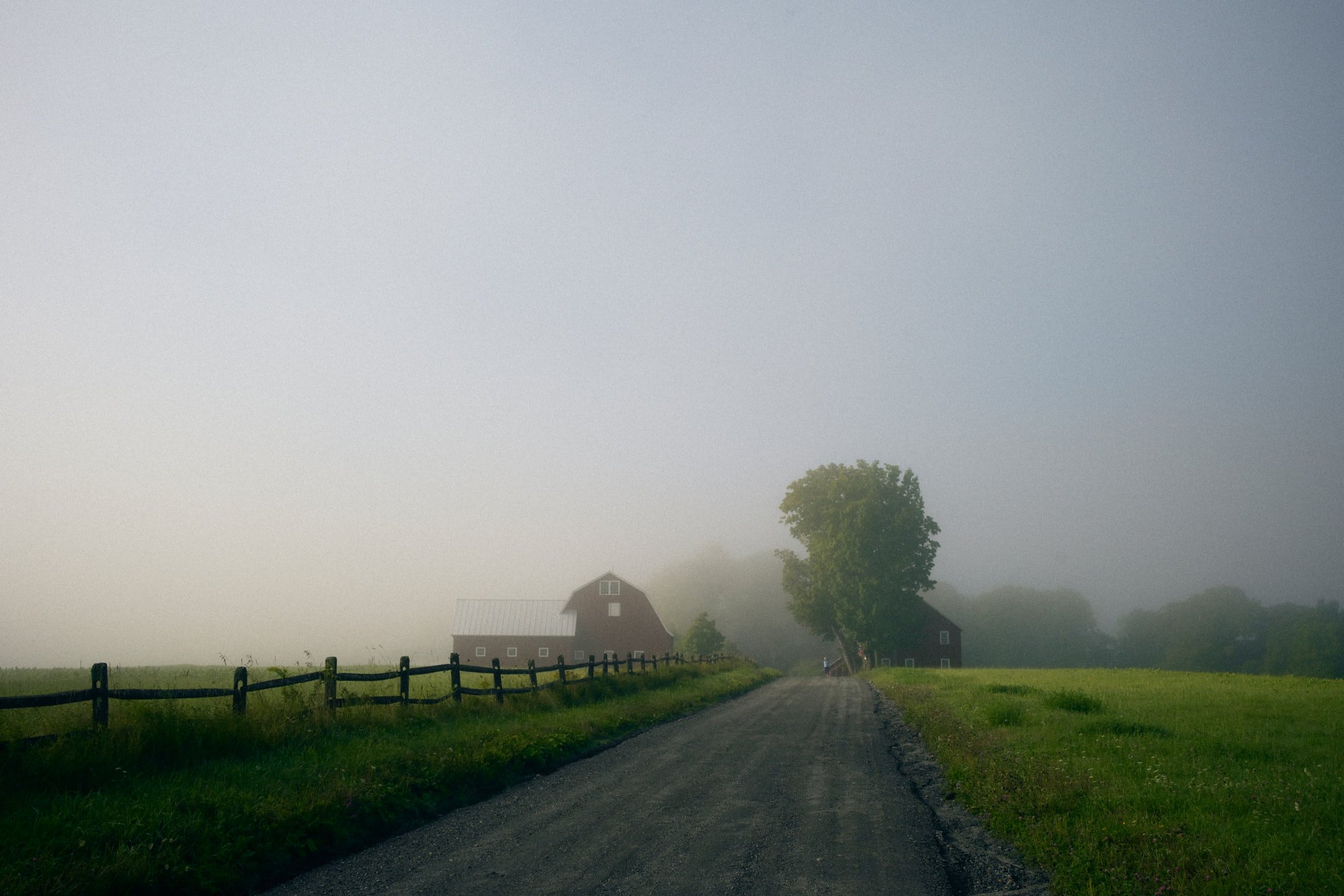
I checked back in a couple of times, and the fog was more settled into the valley bottom. It seemed like a bust, but as I was heading home it appeared to just vanish. I turned the car around and ended up getting the client work done too. As the days get shorter, I'm trying to hold onto that a little longer: get up, go look, and let the morning decide what it wants to give you.
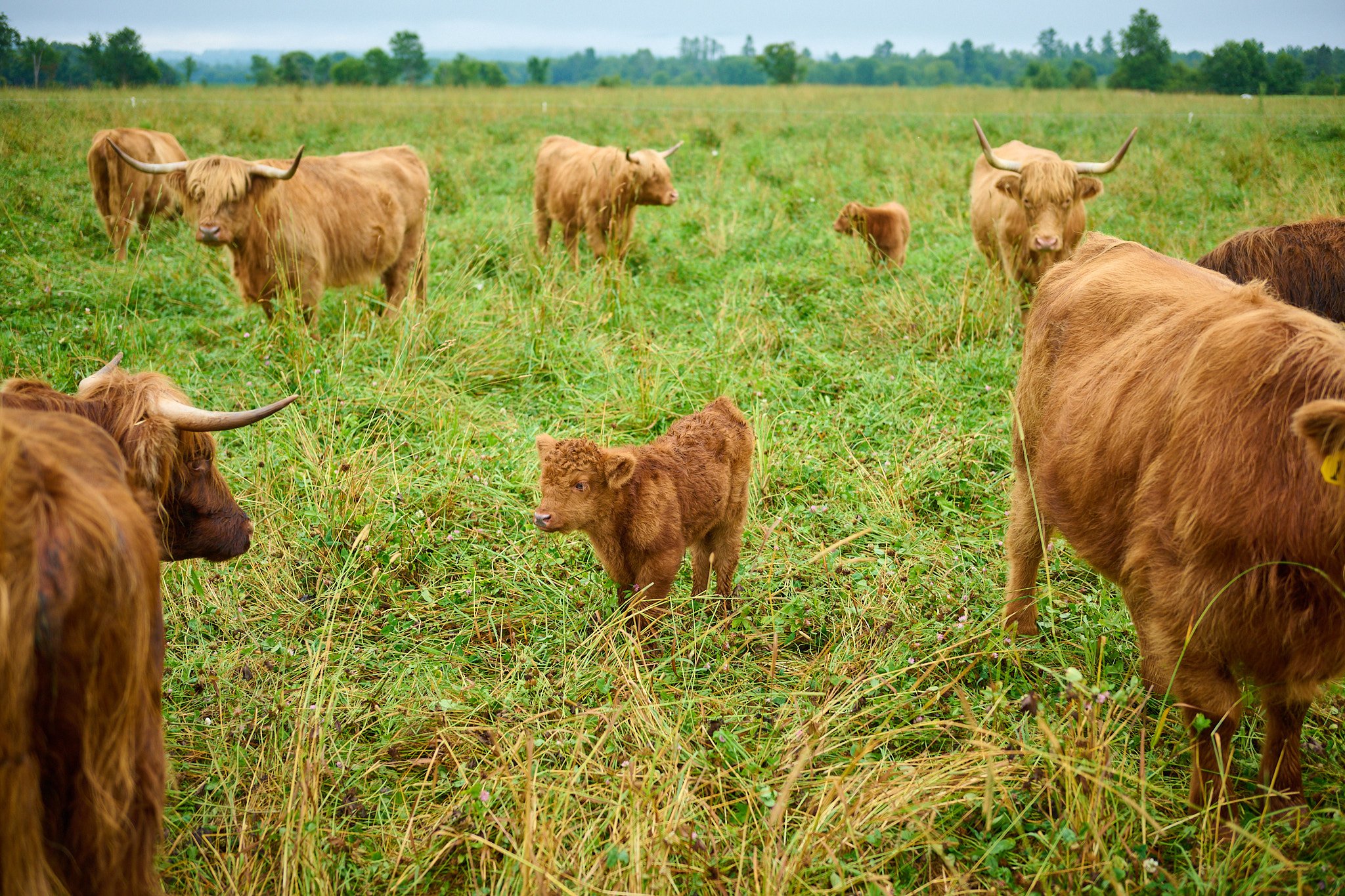
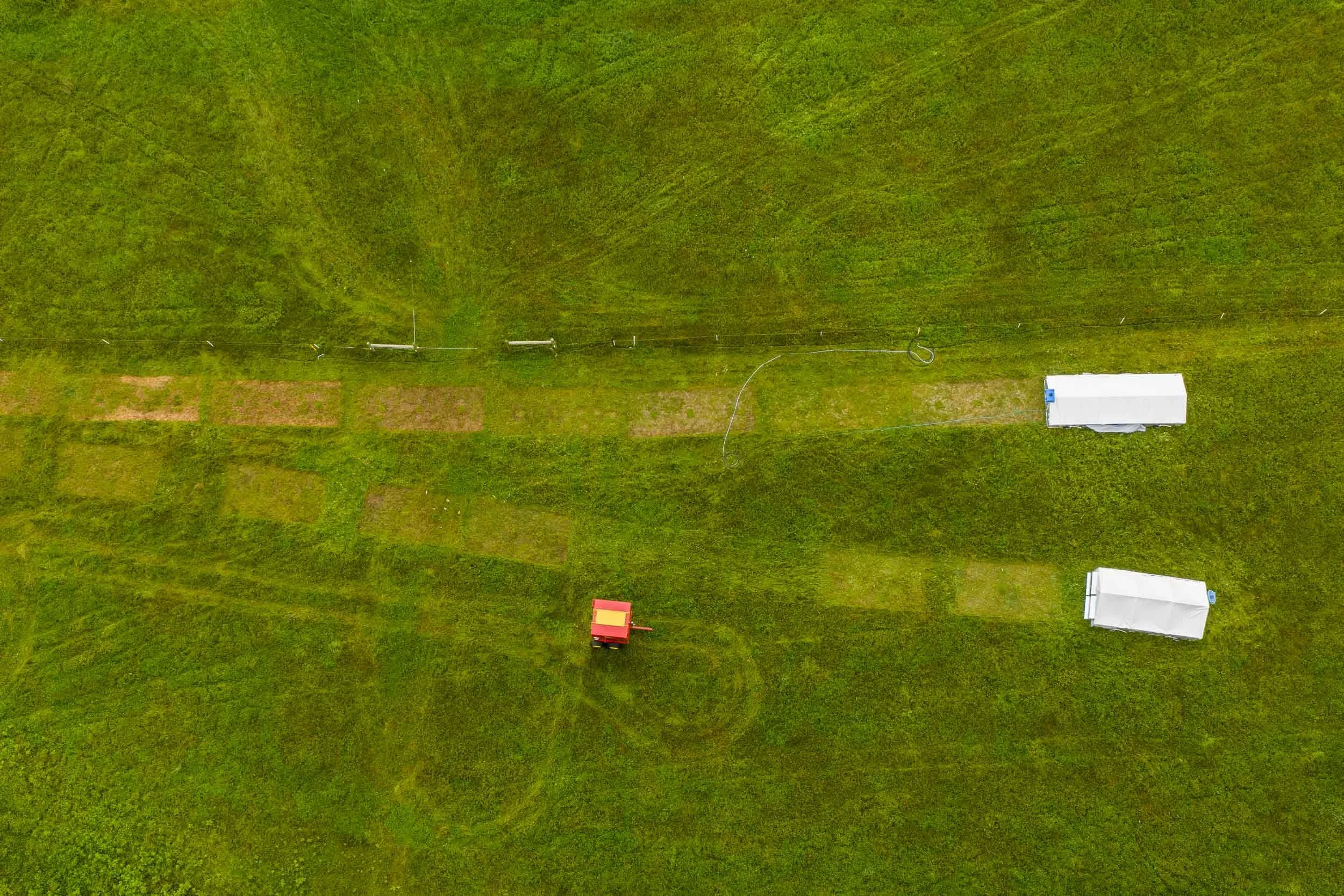
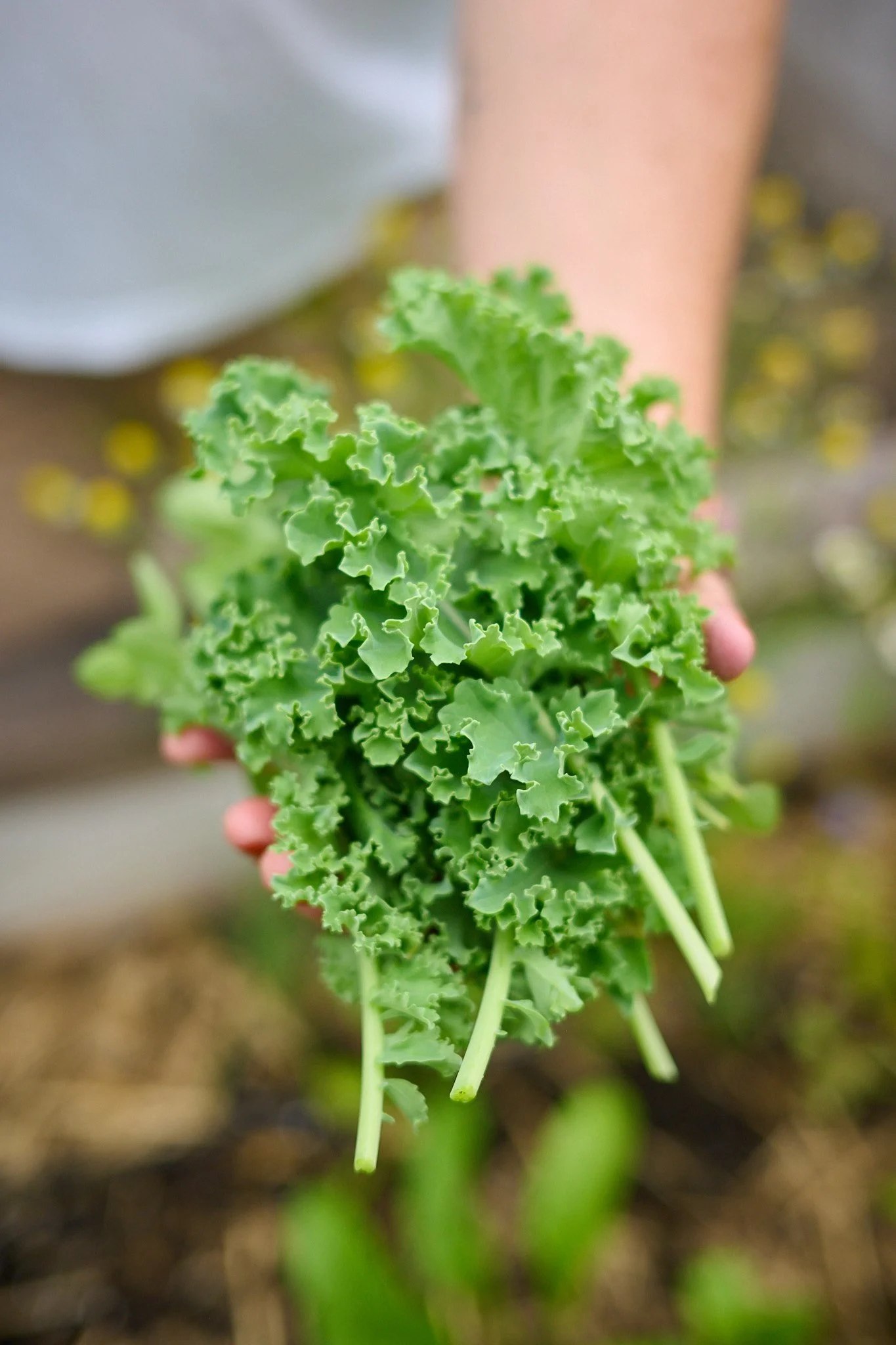
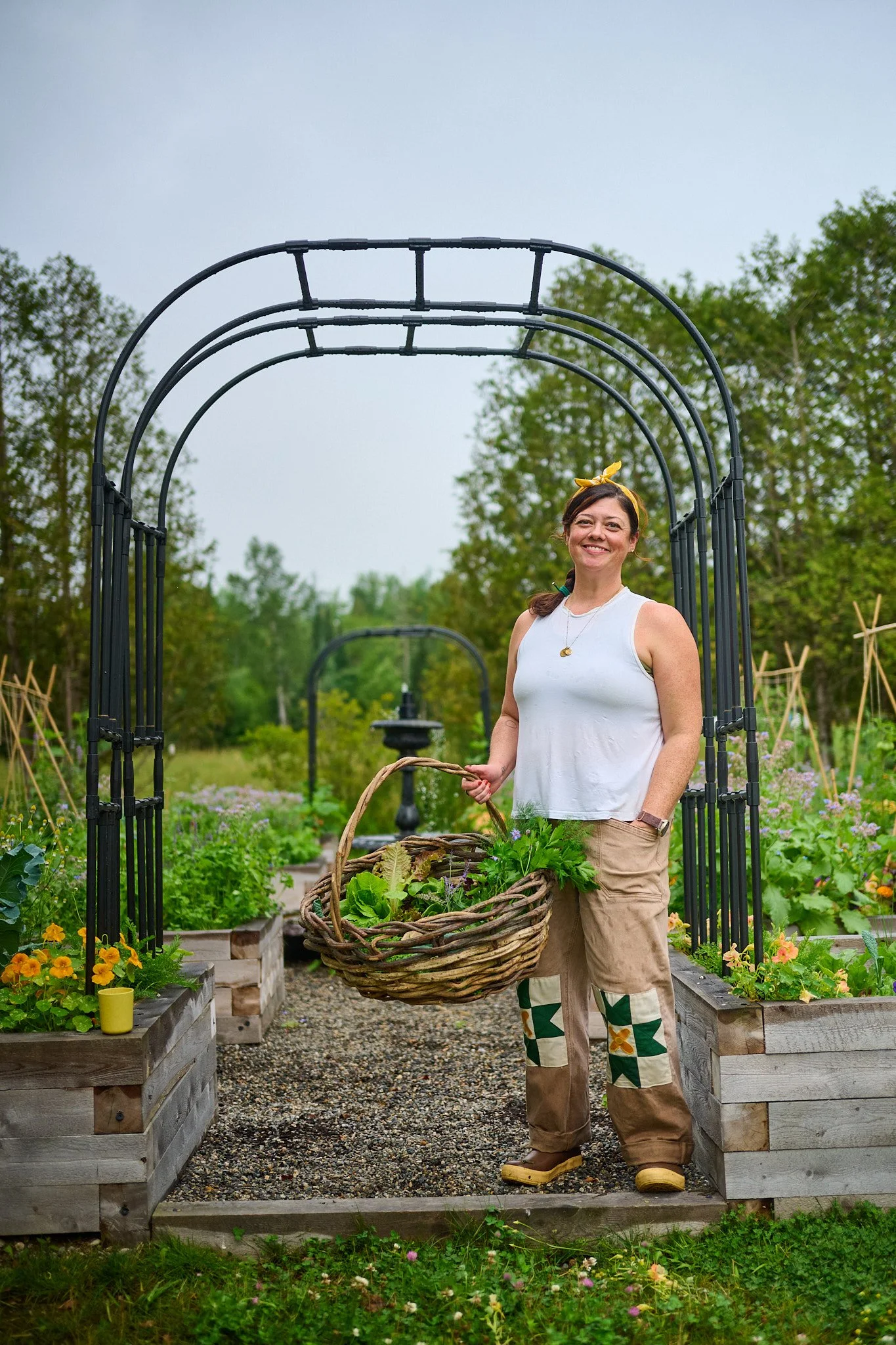
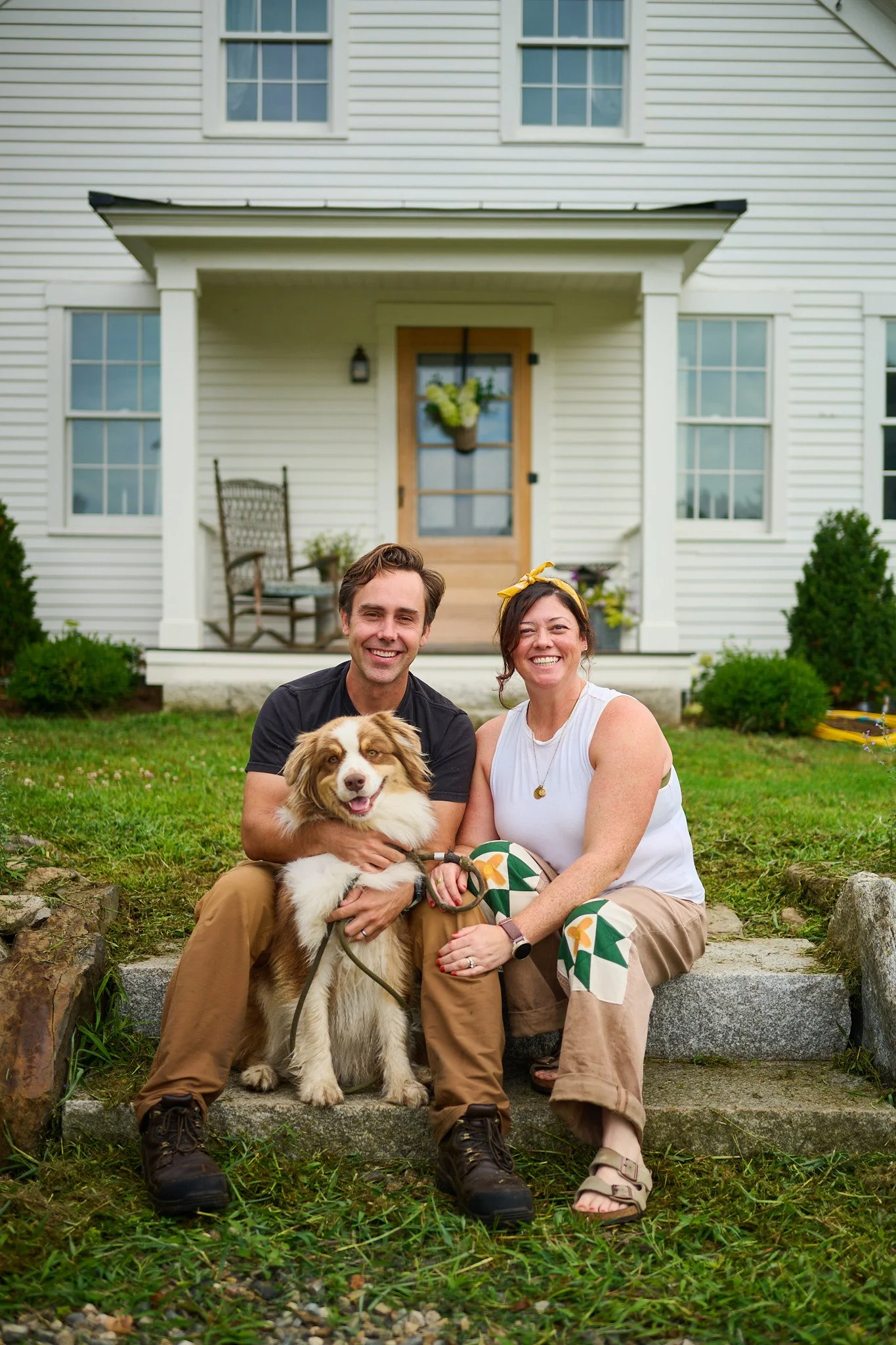
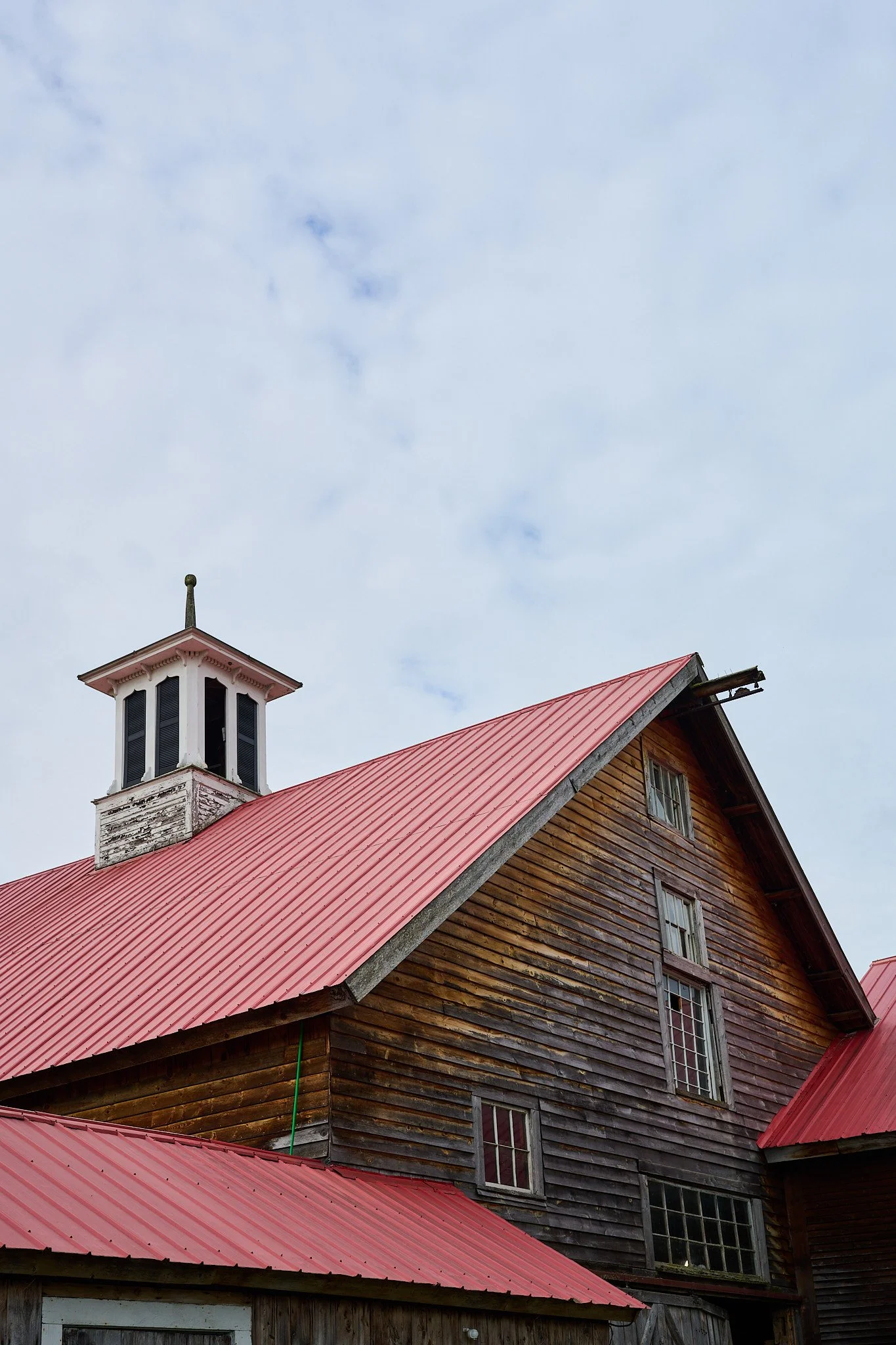
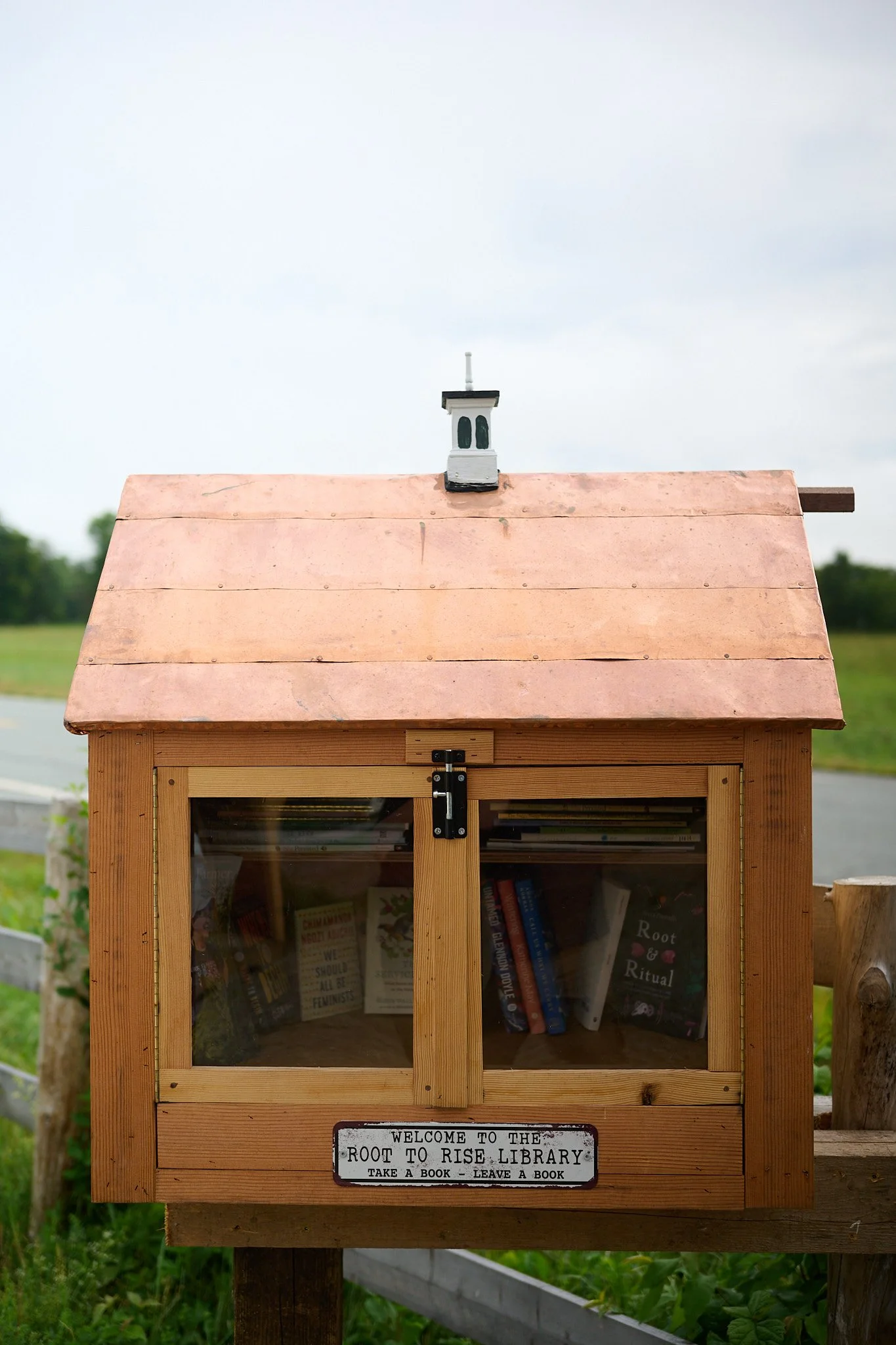
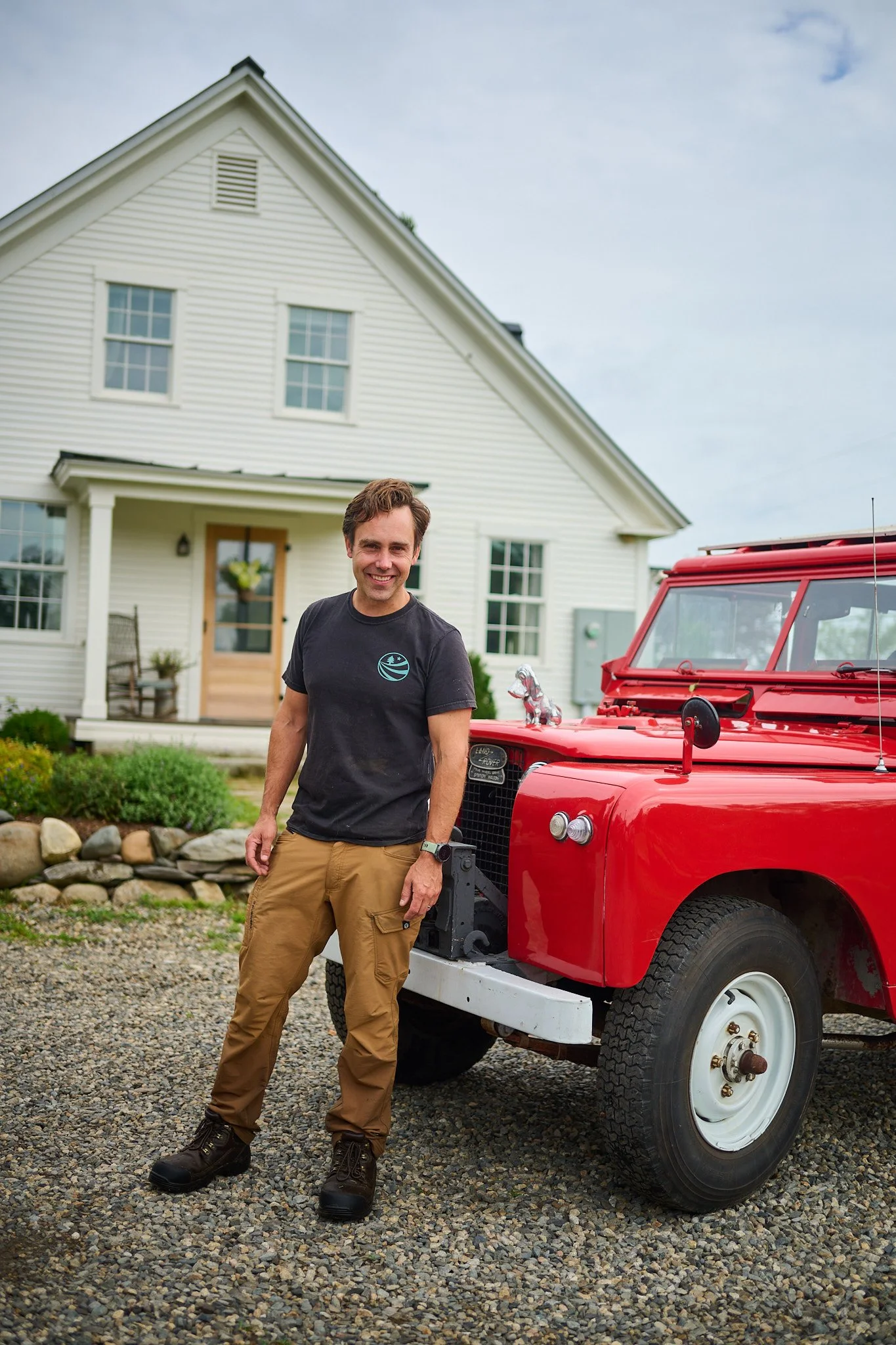
Root to rise farm
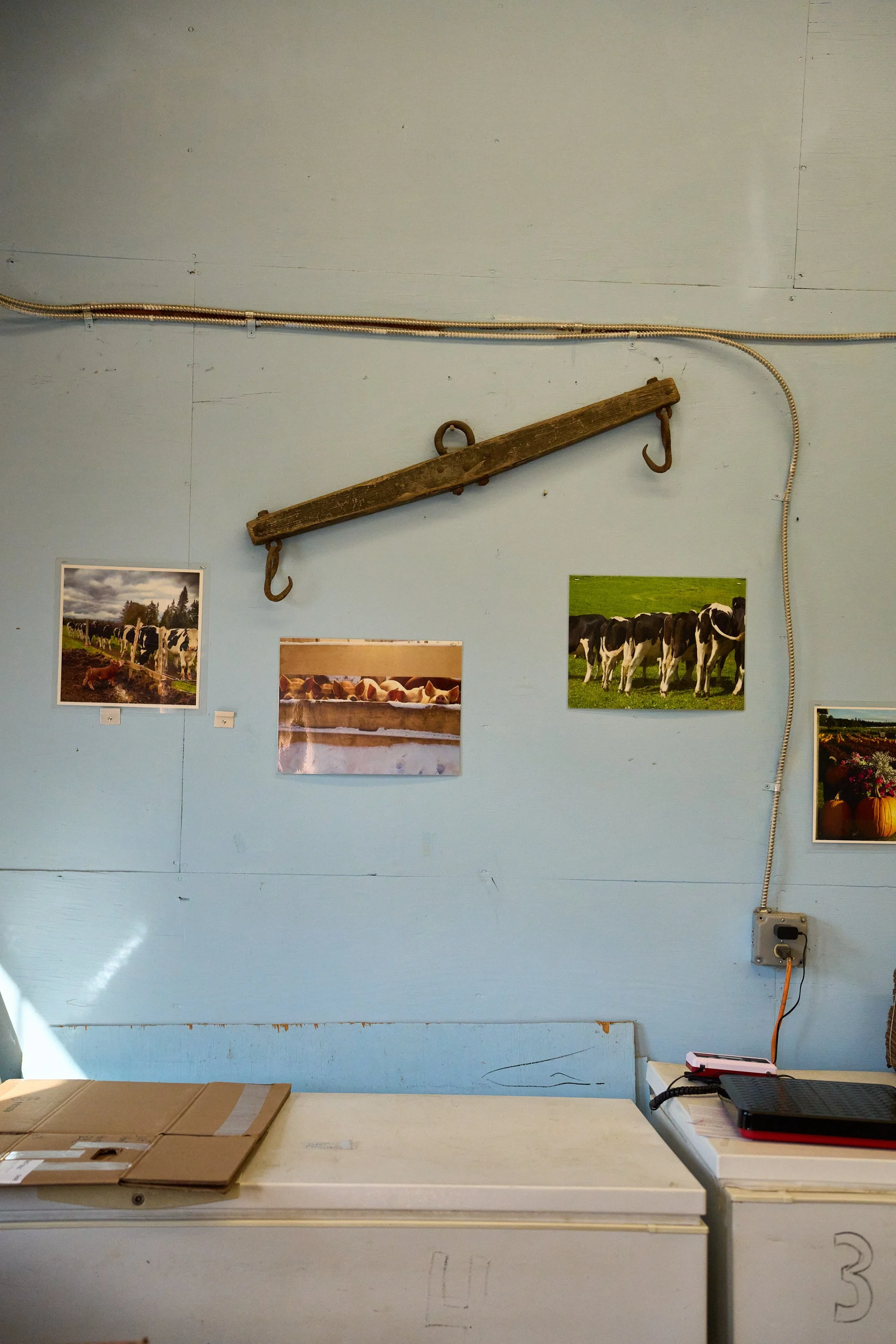
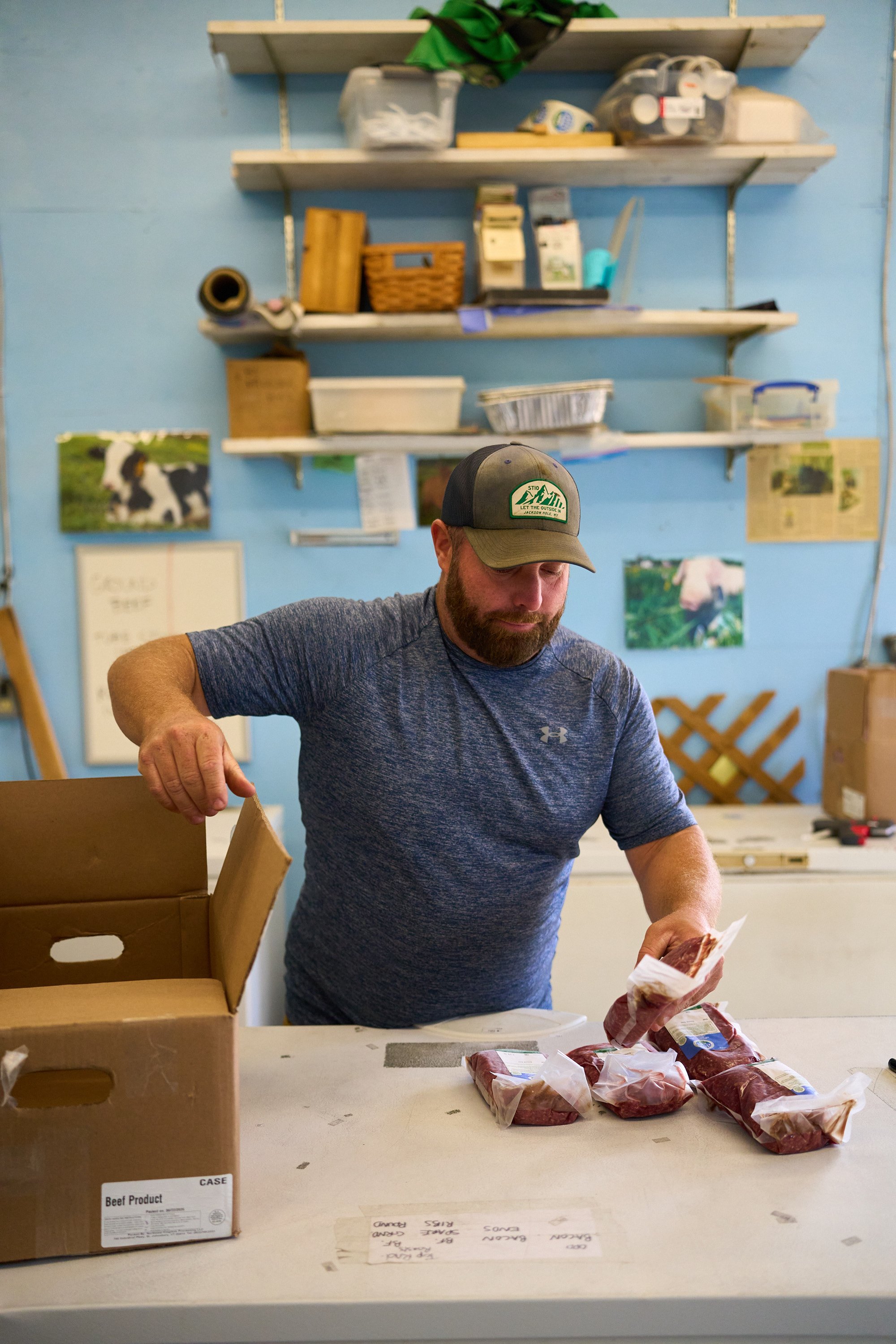
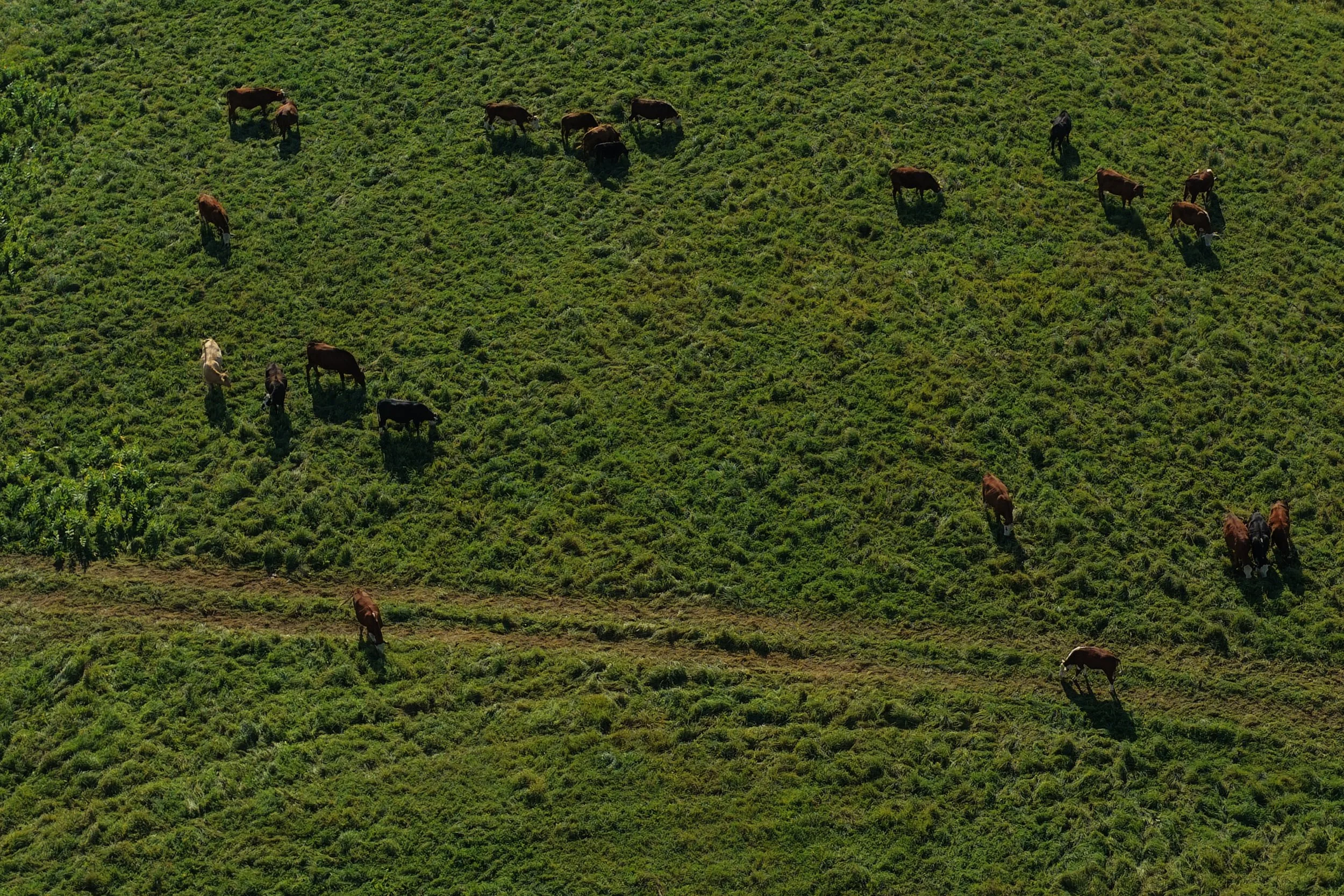
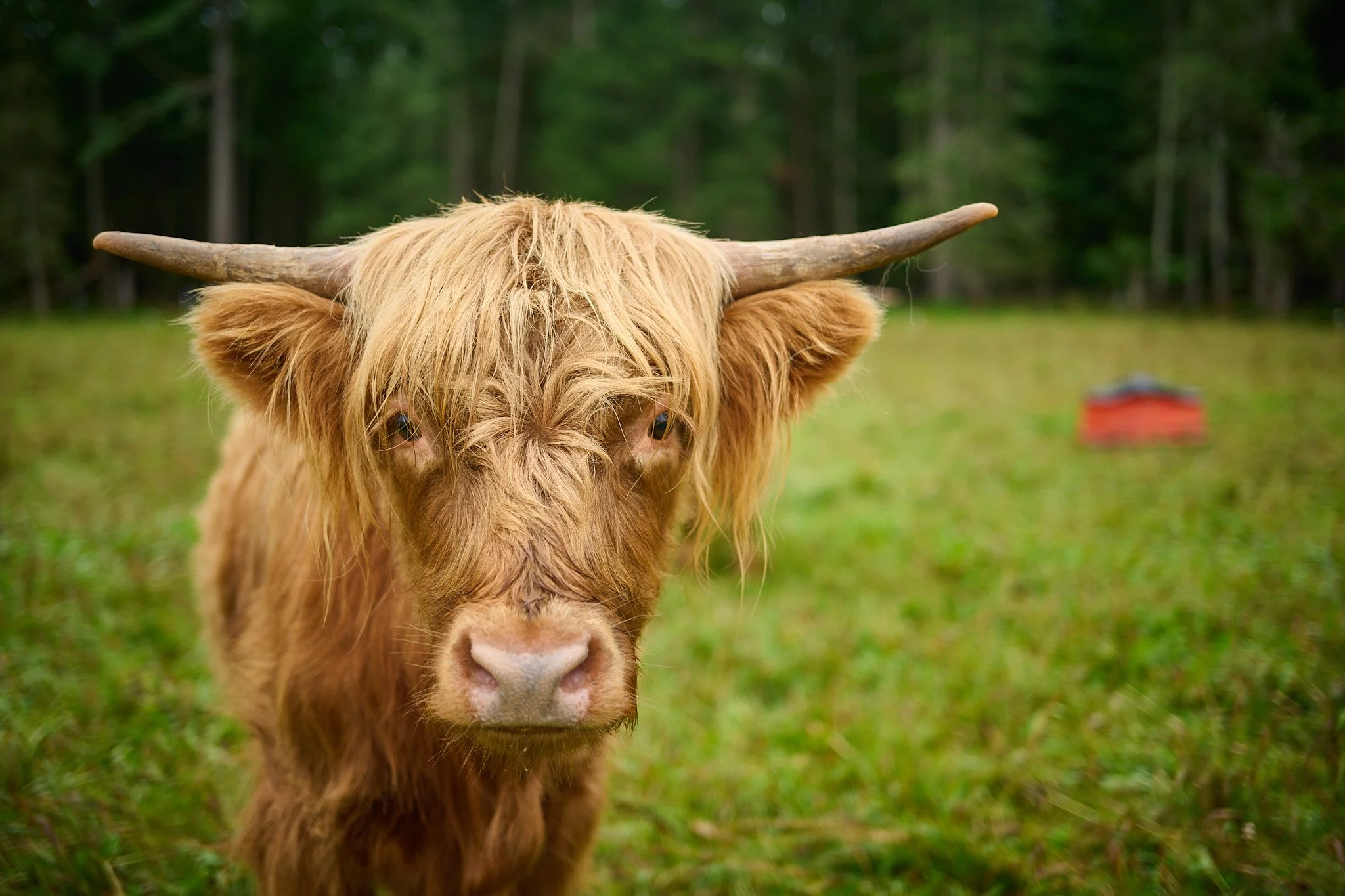
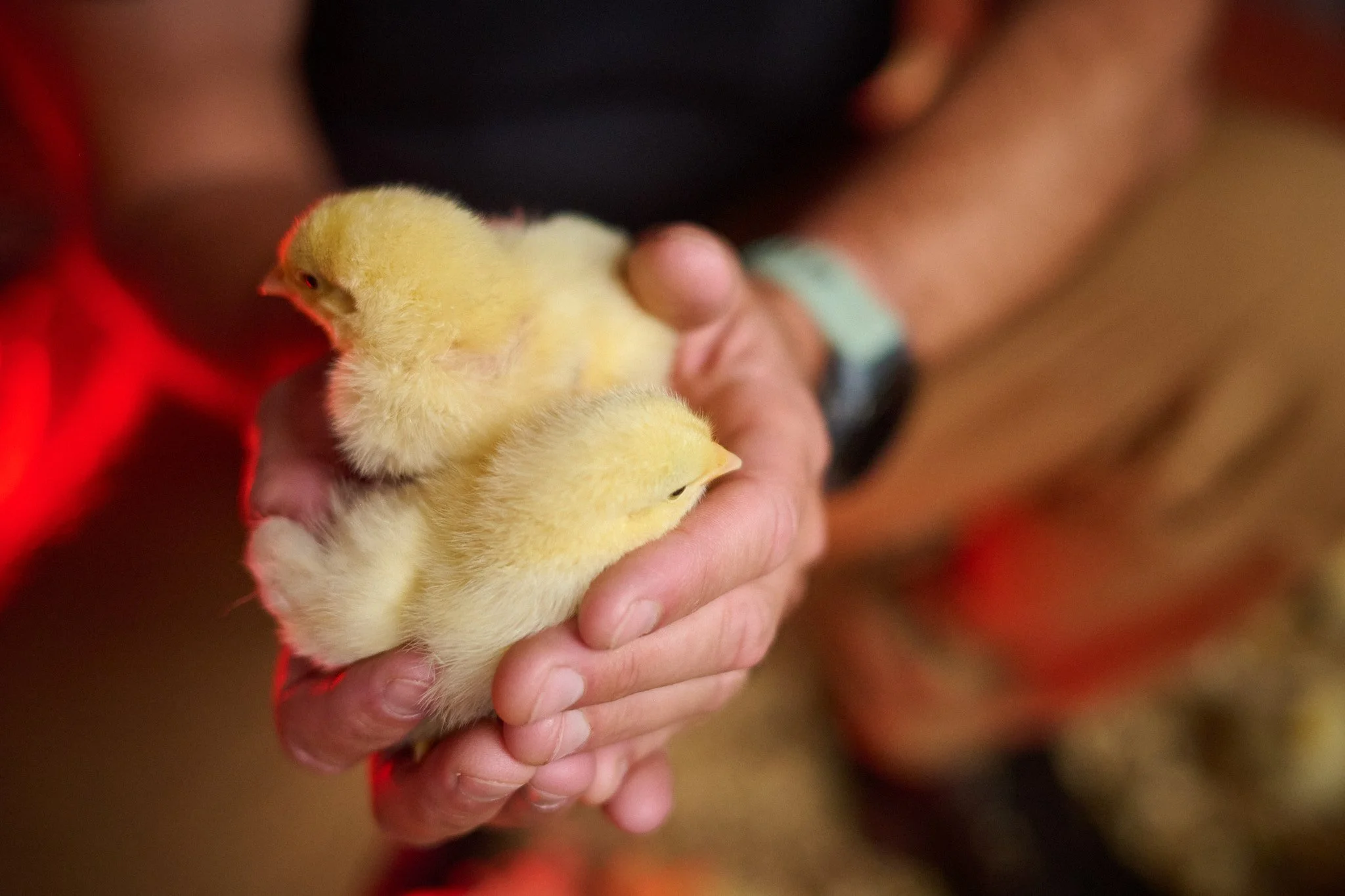
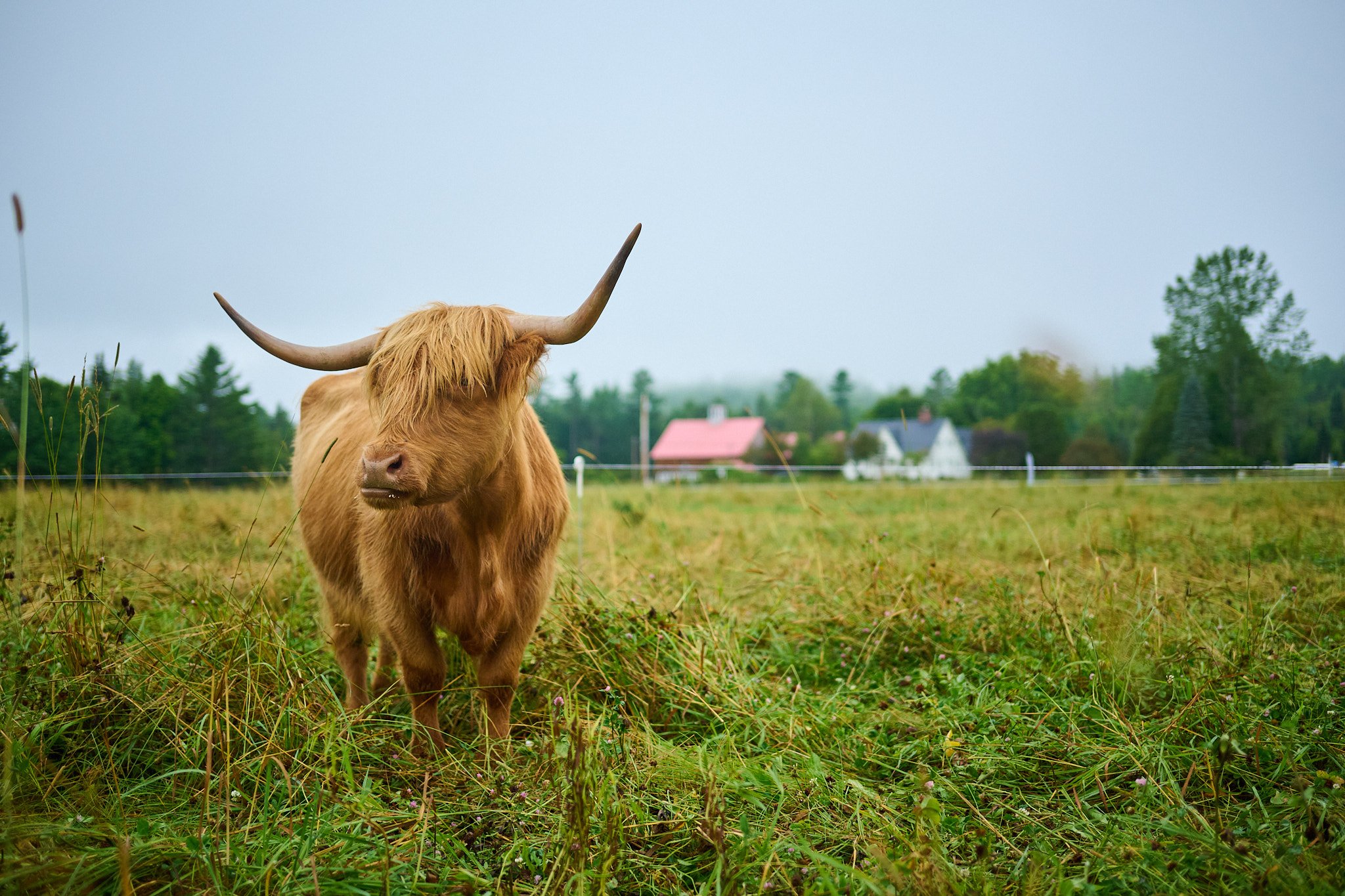
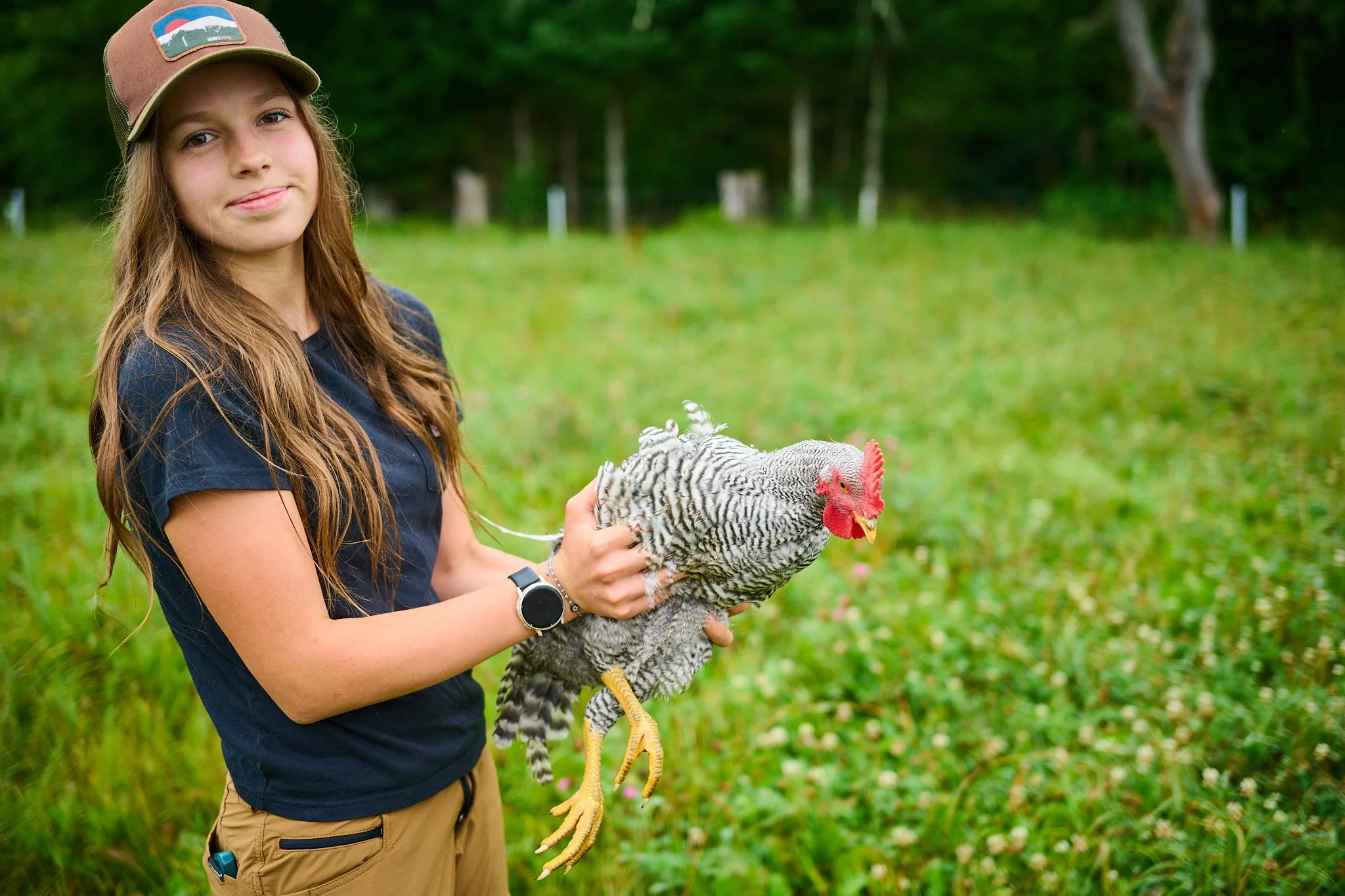
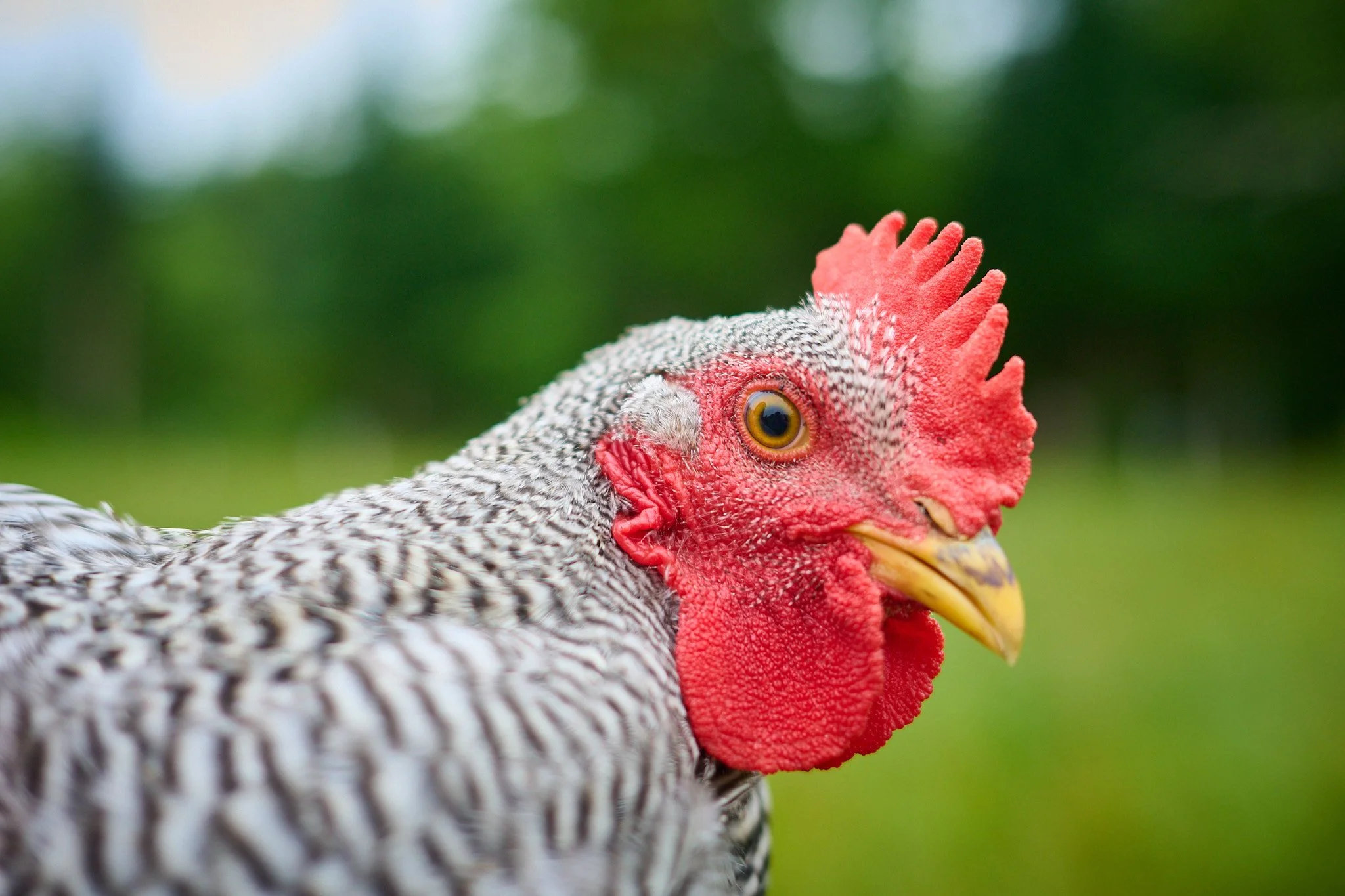
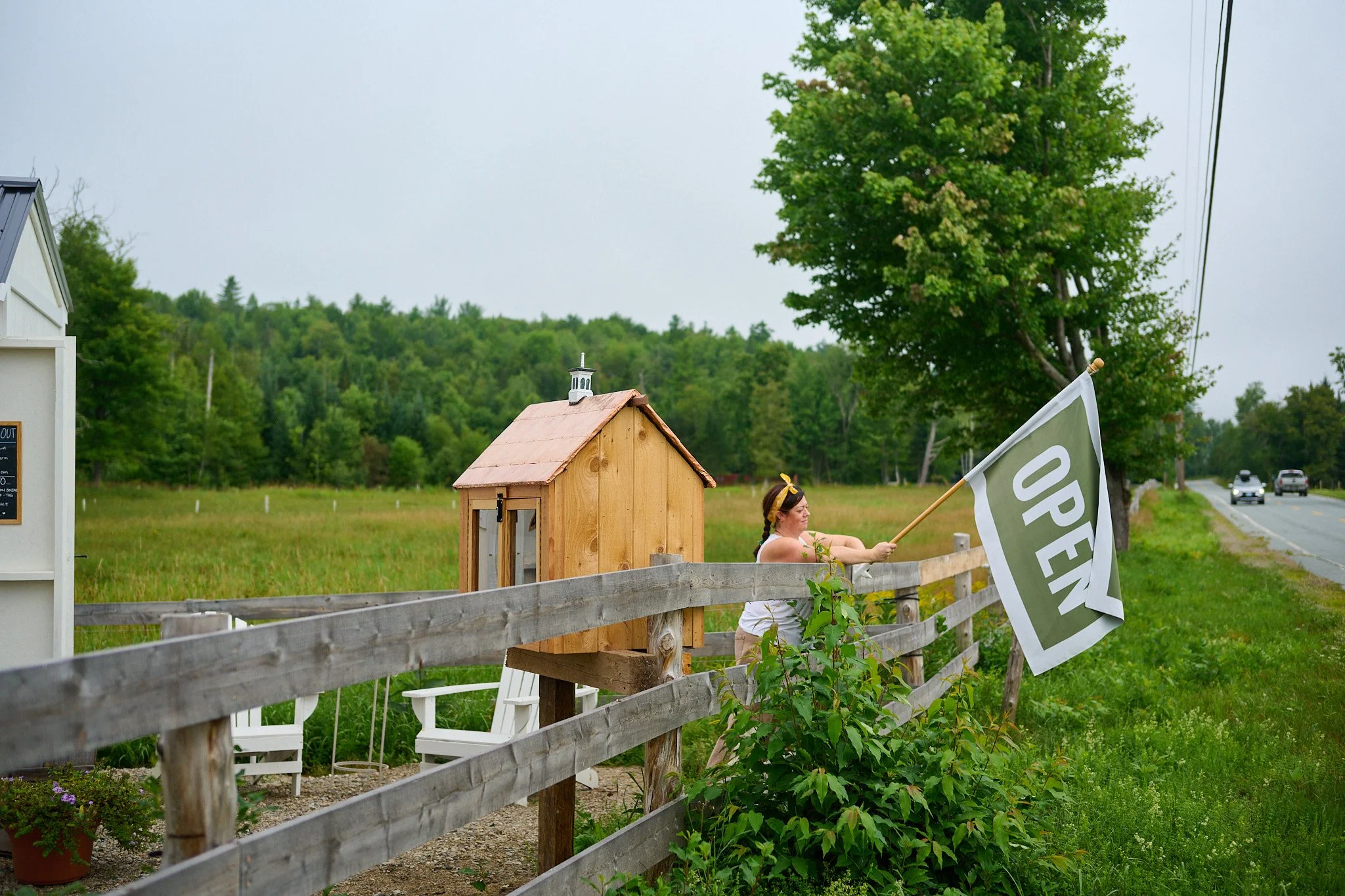
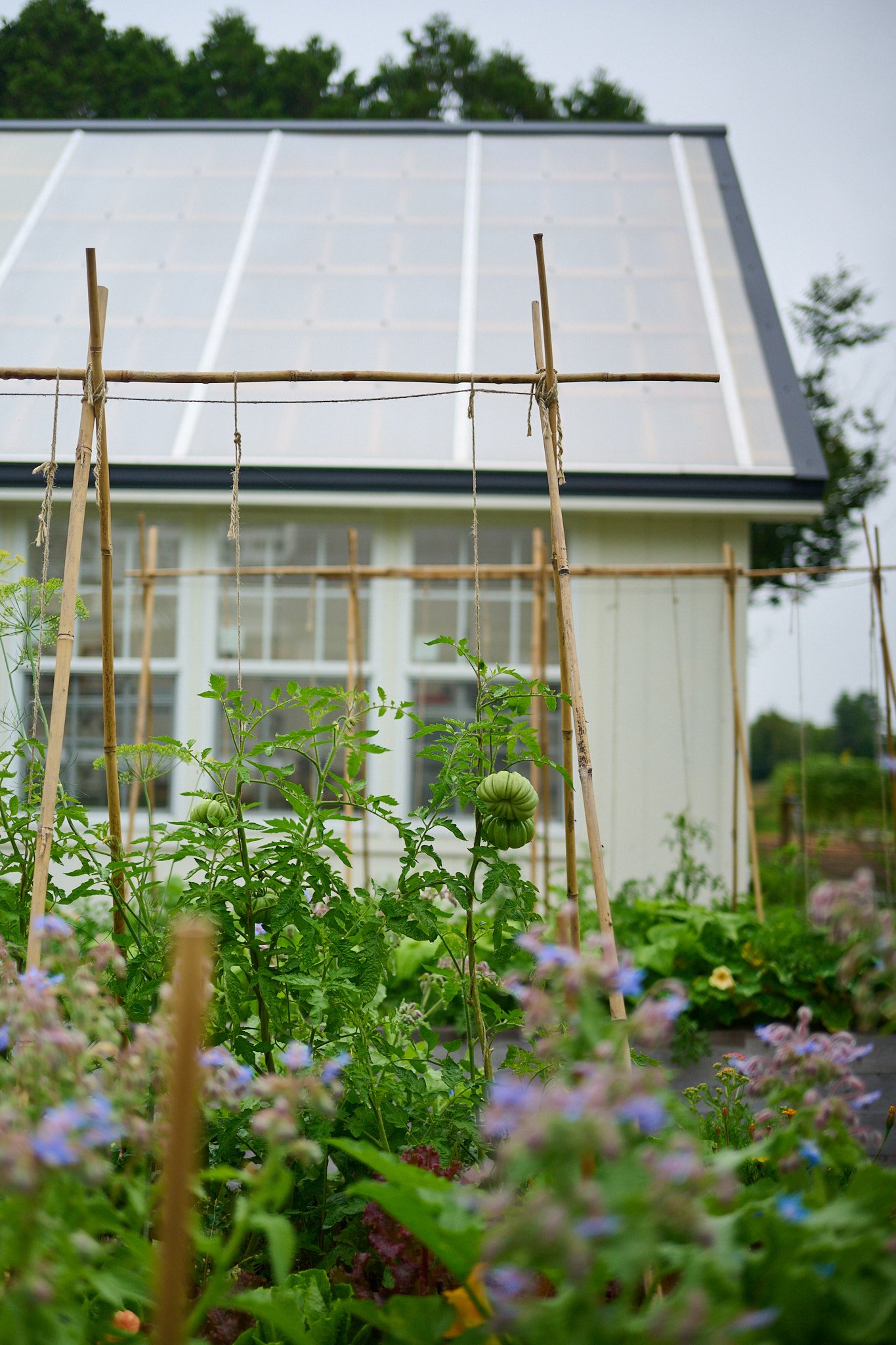
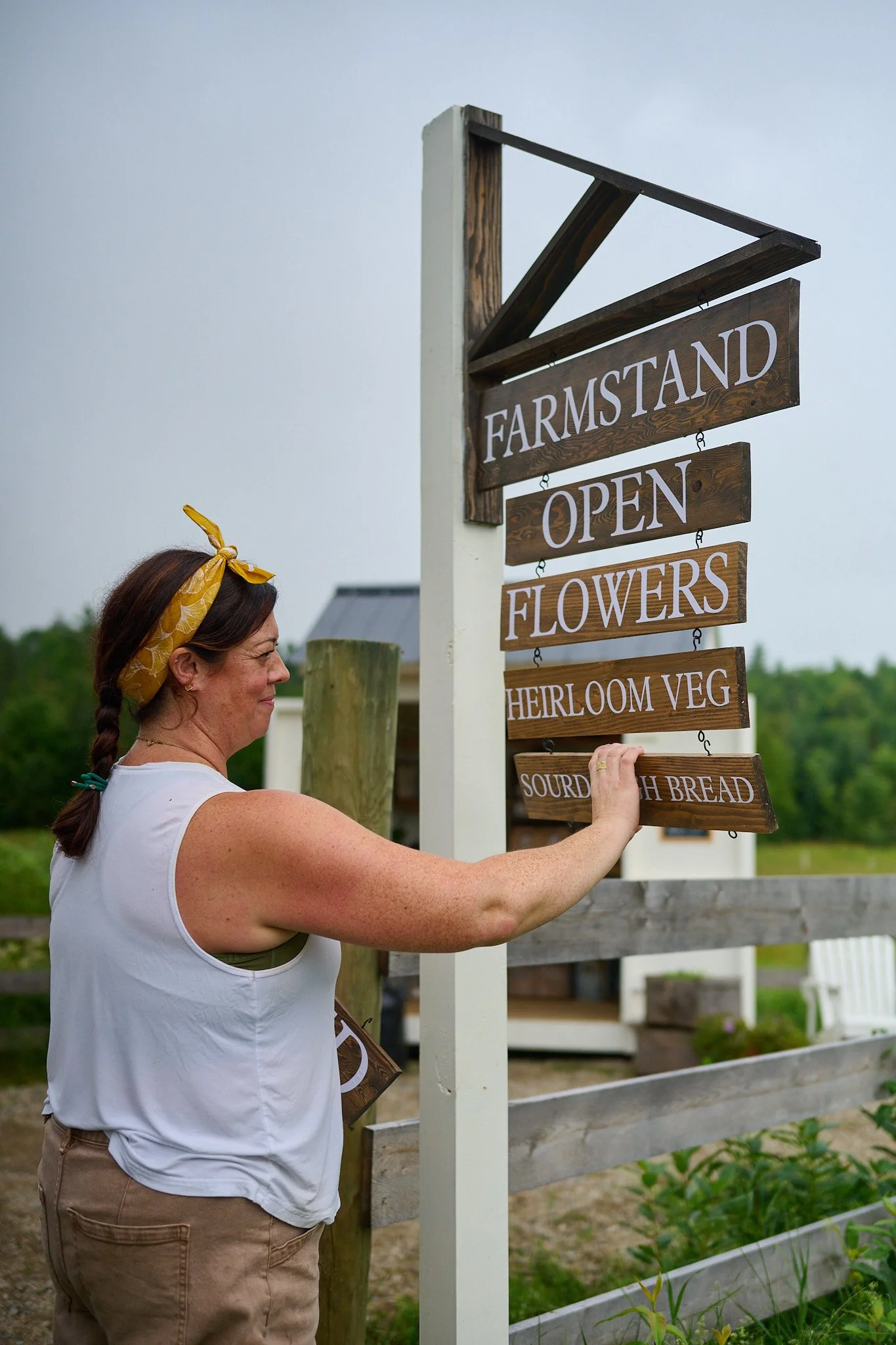
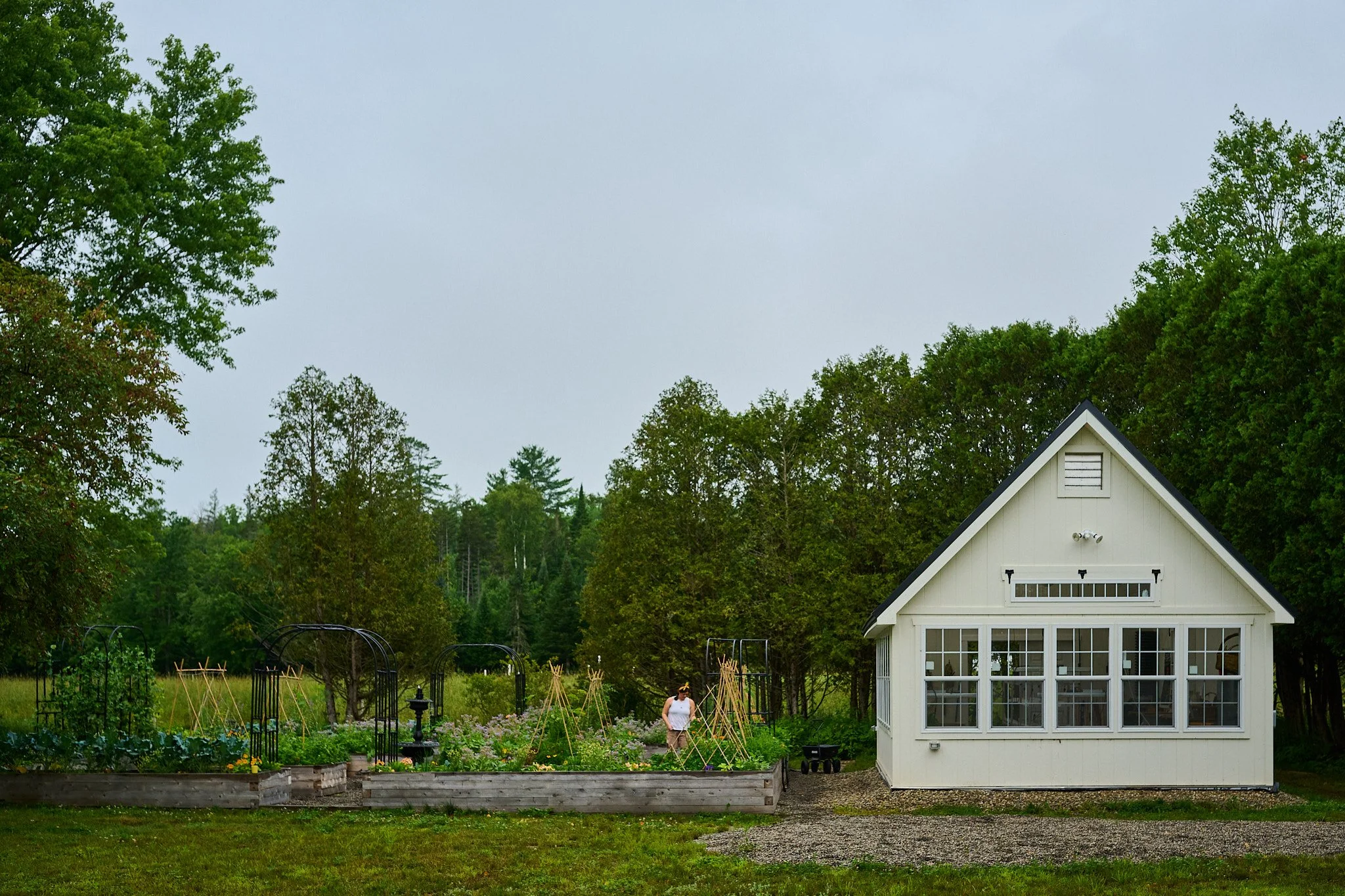
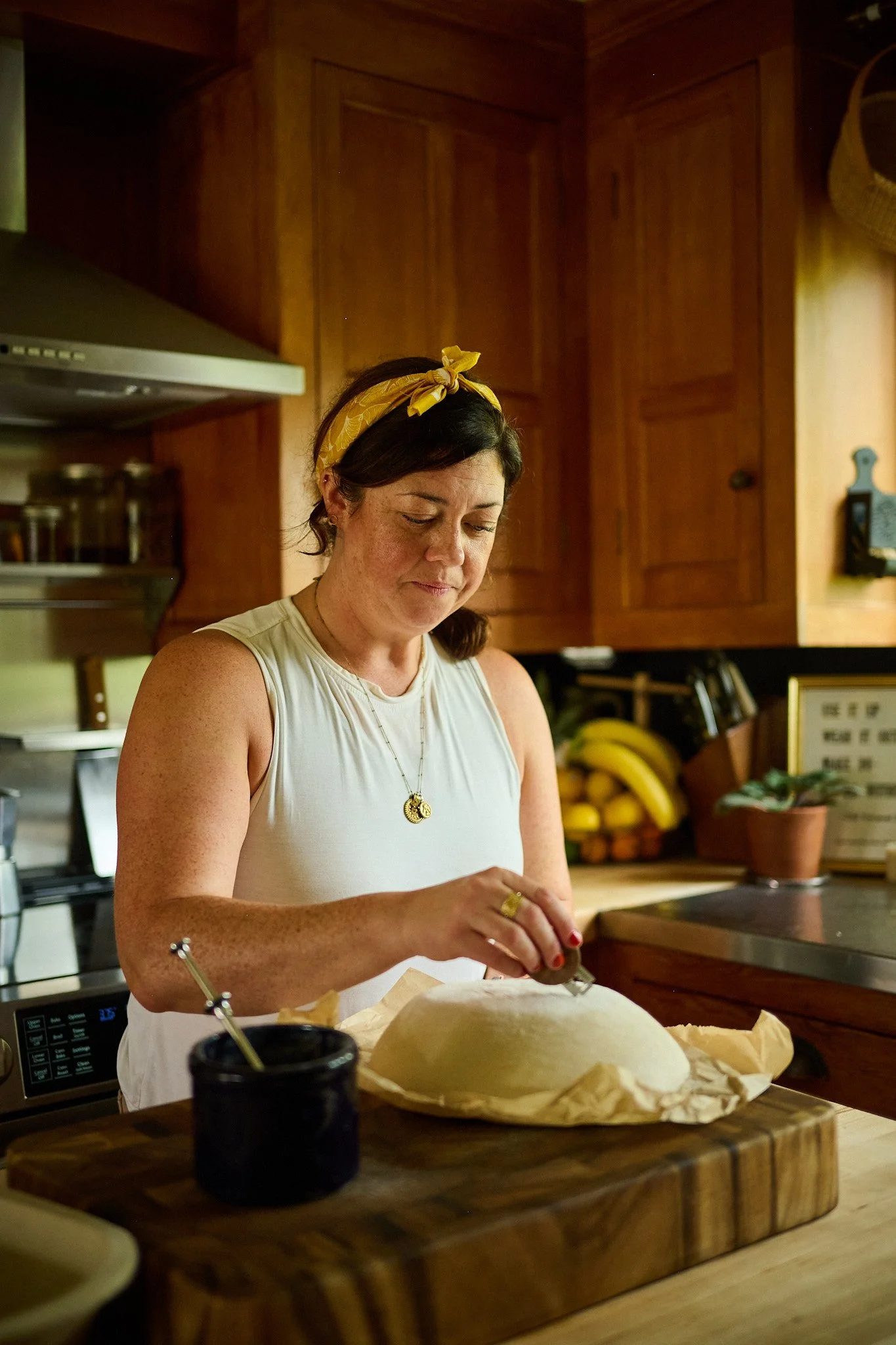
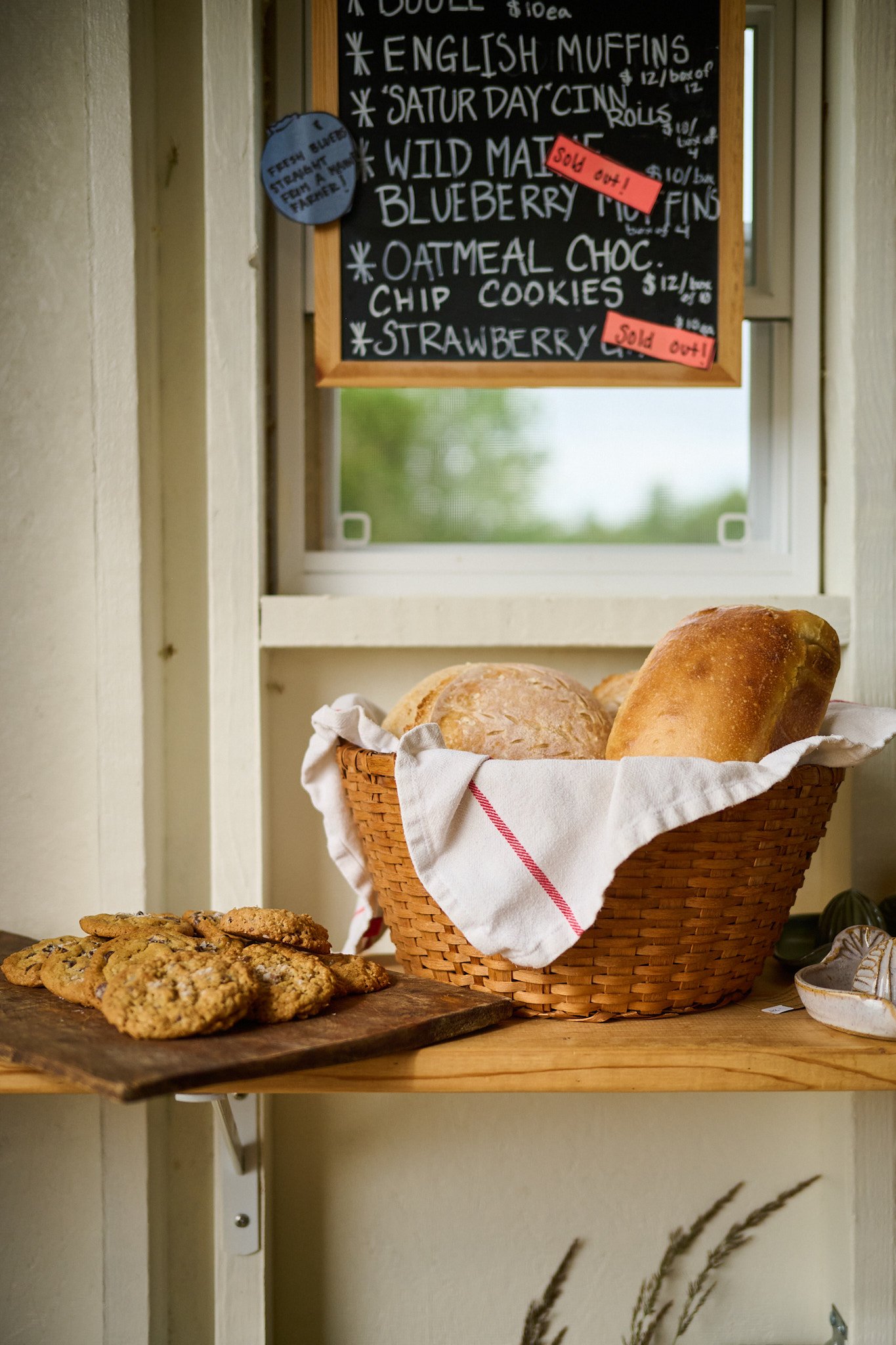
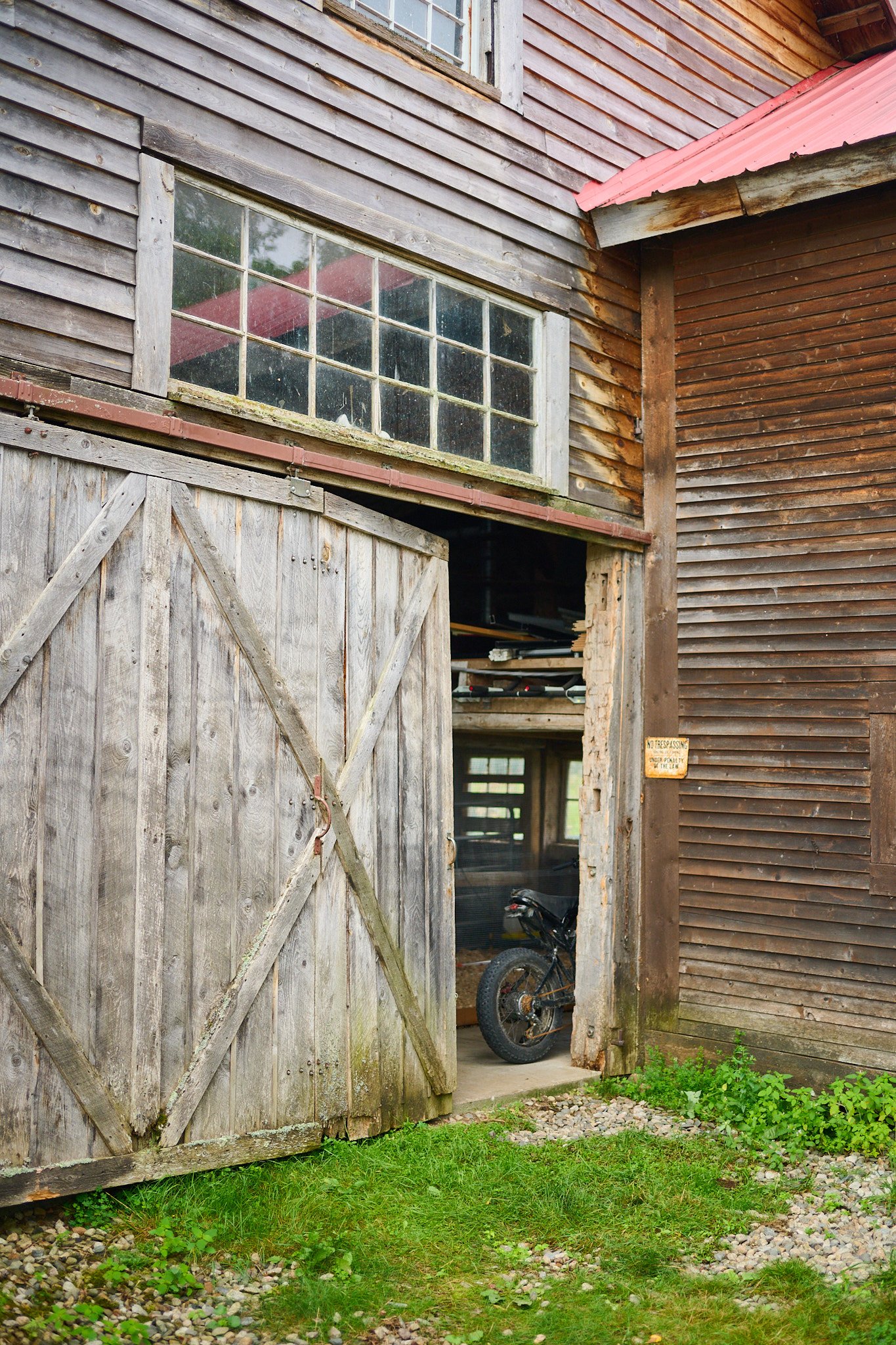
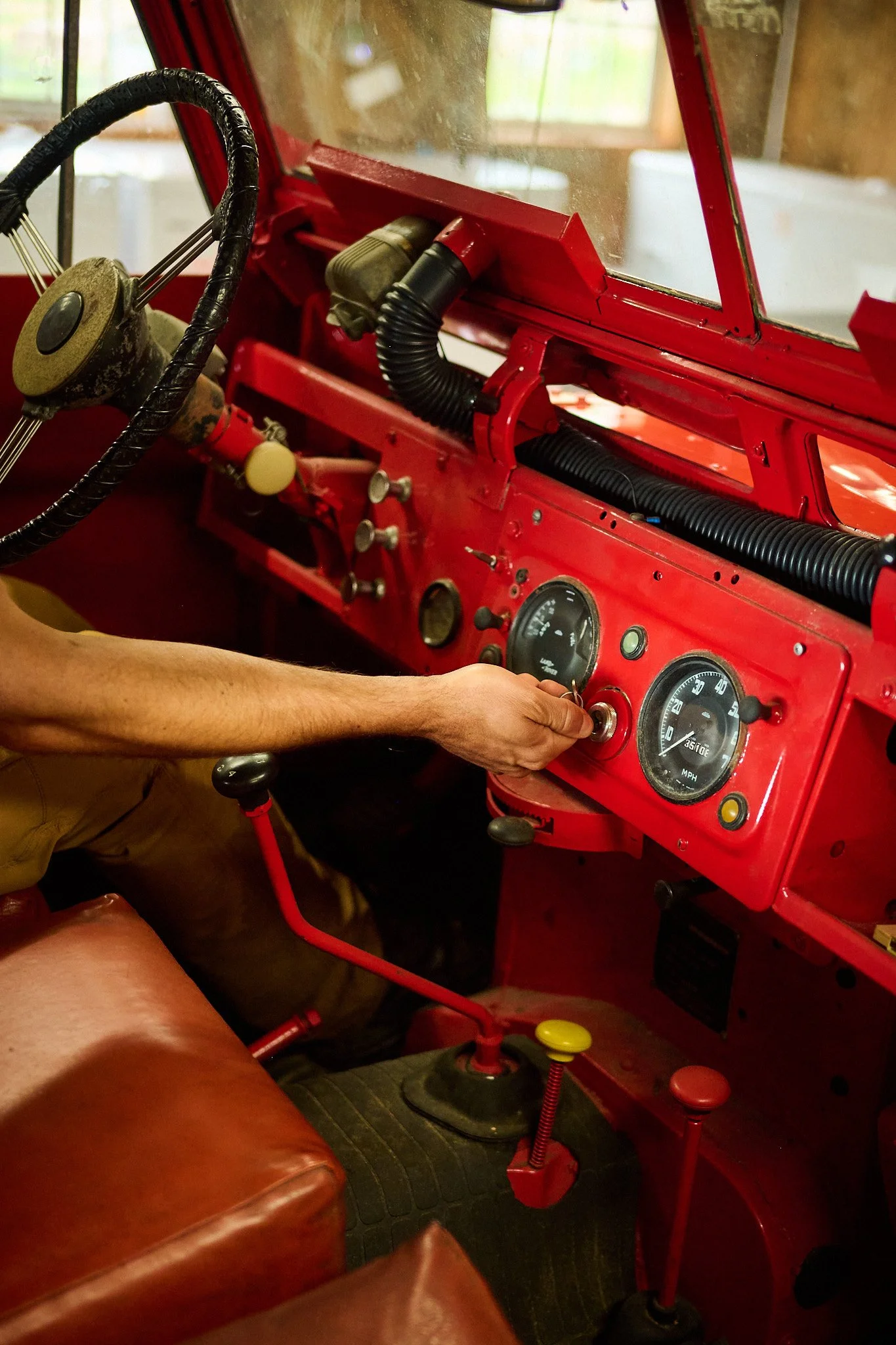
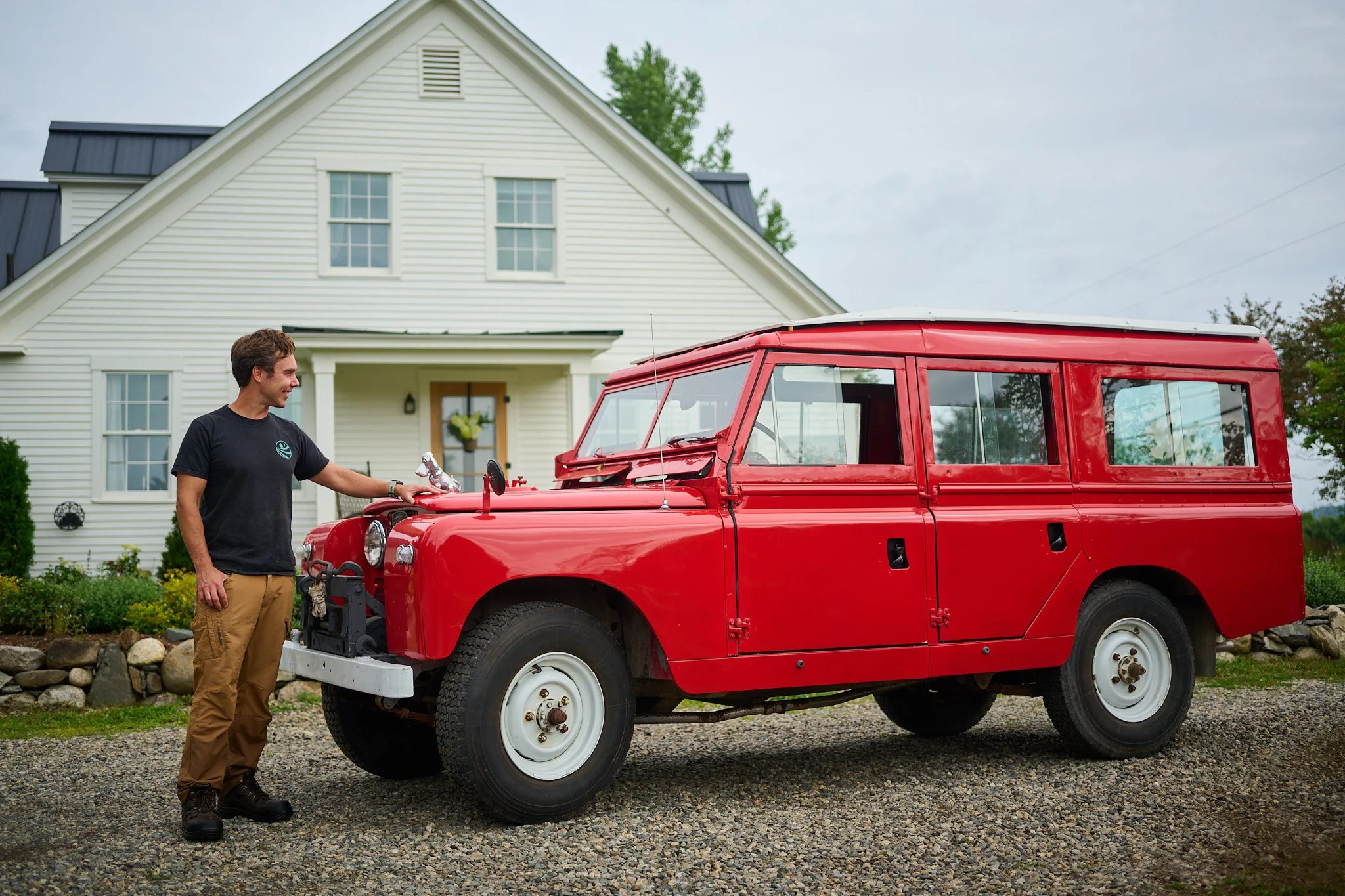
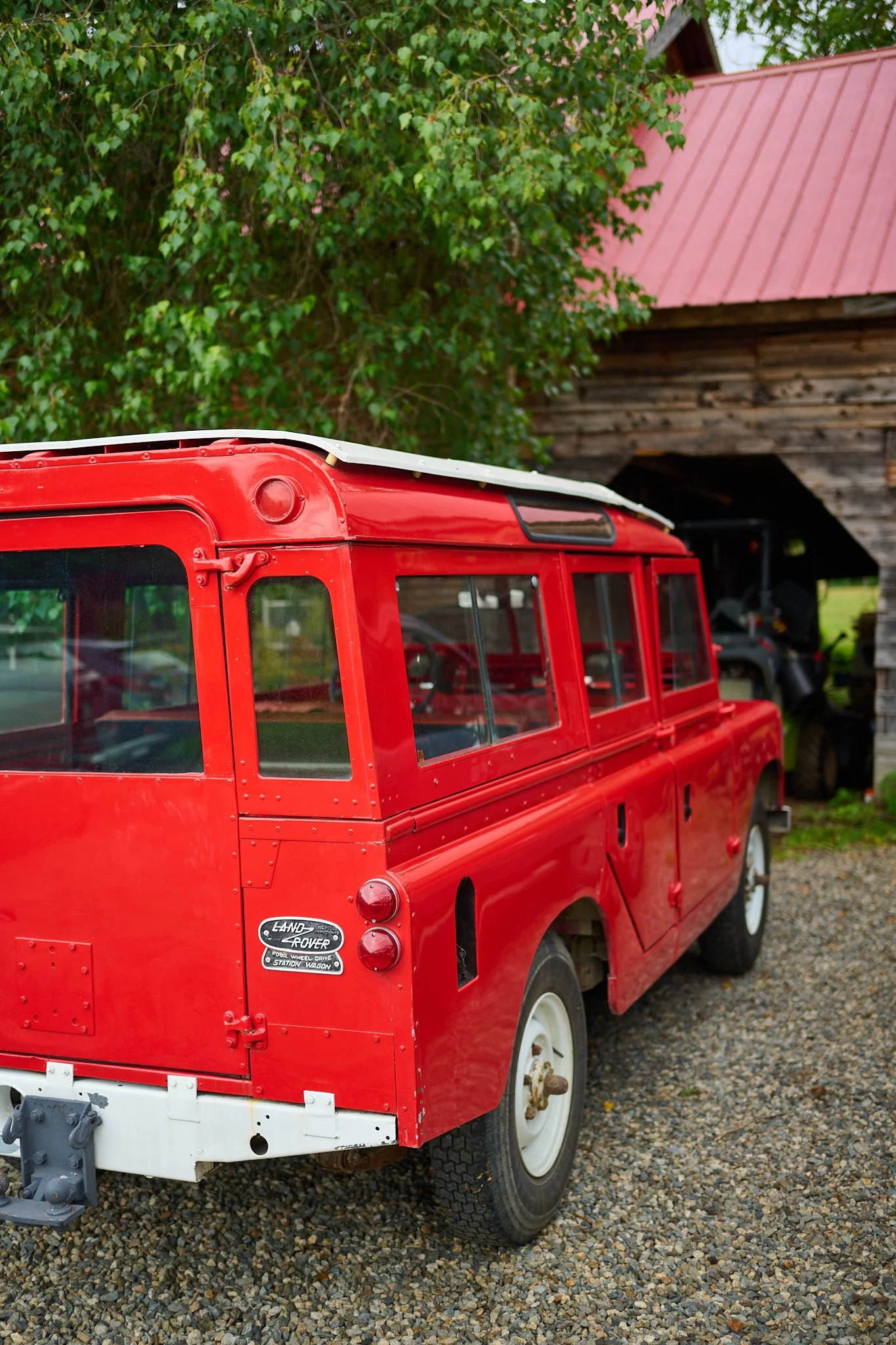
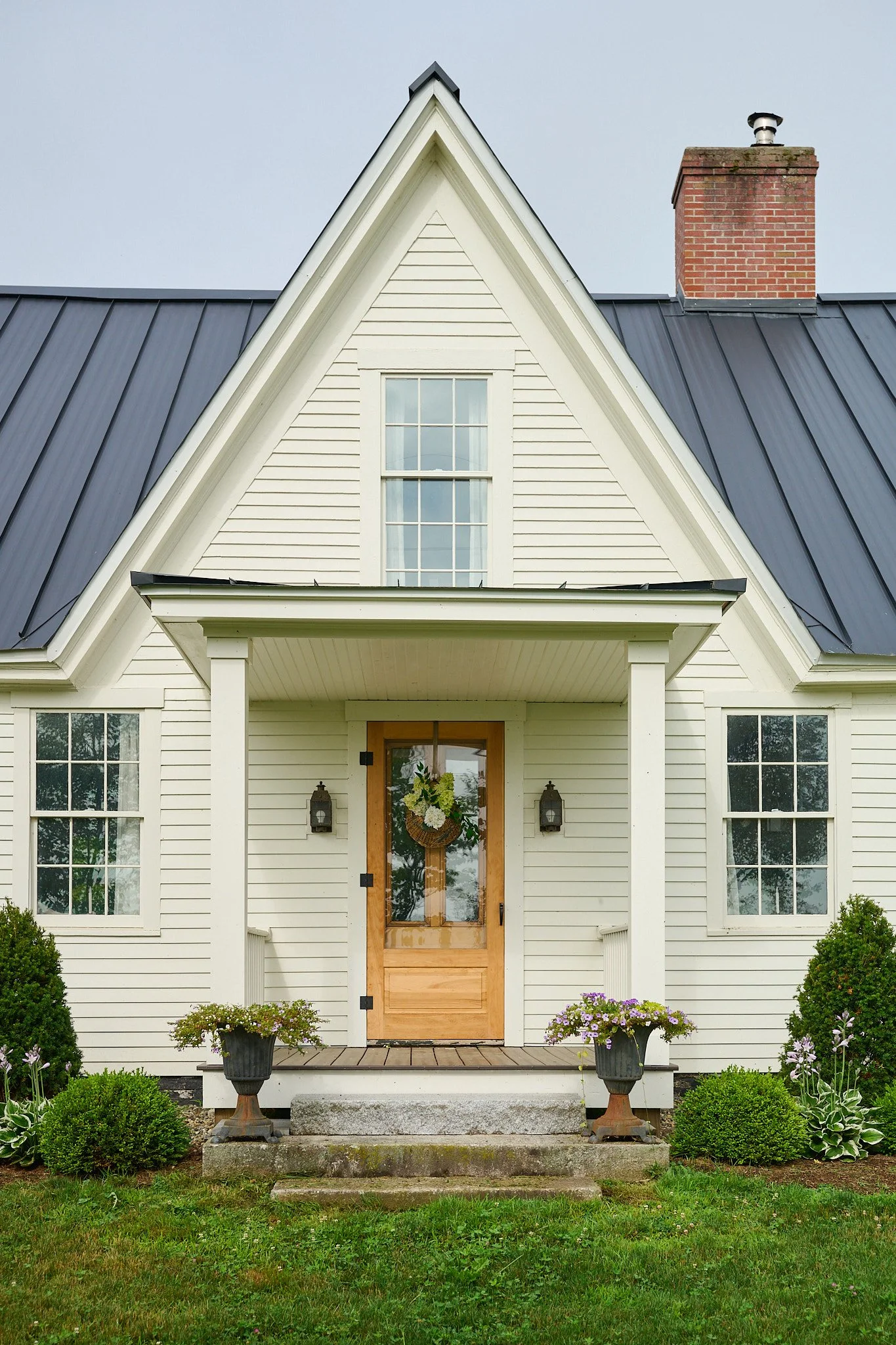
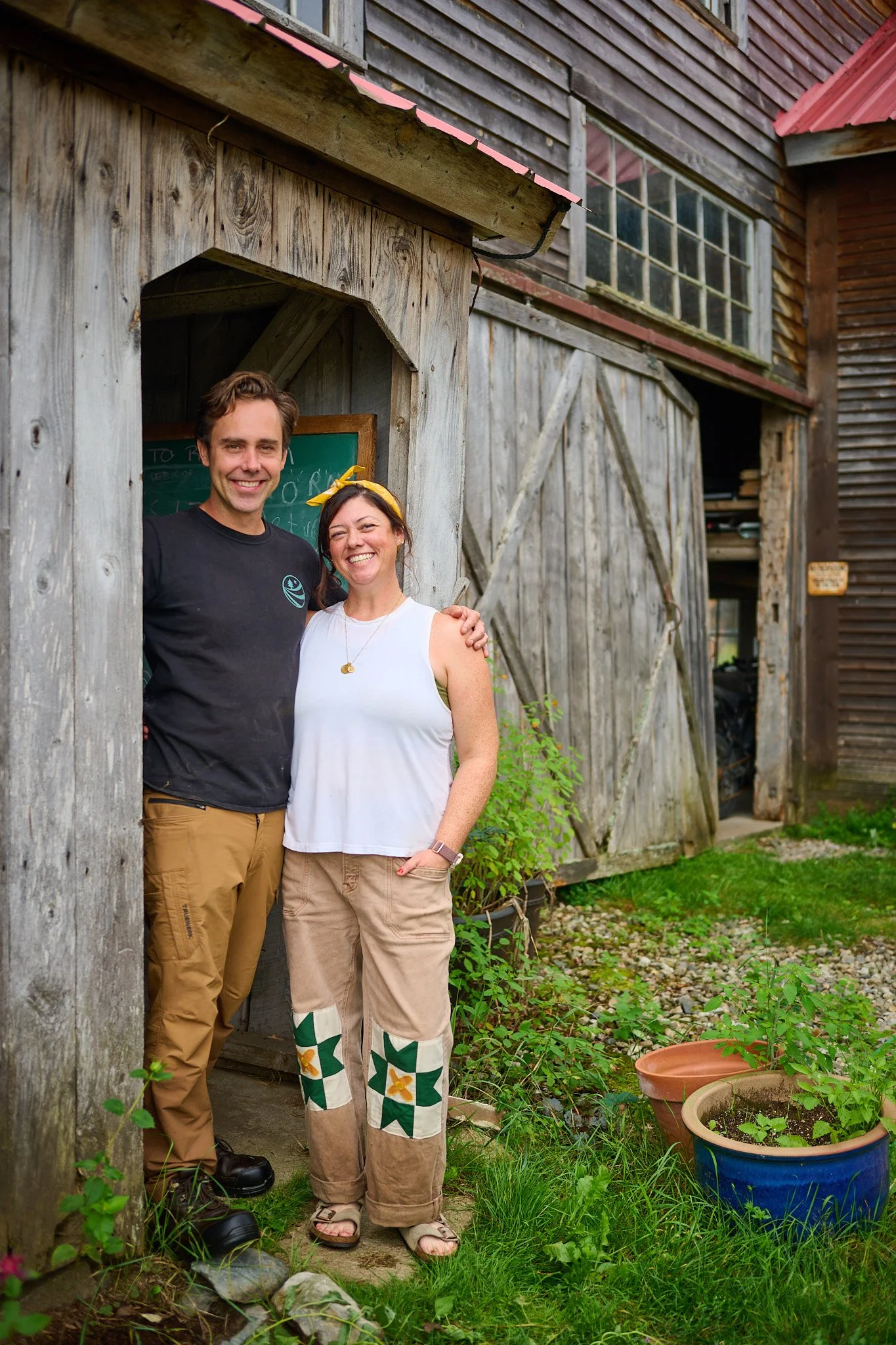
A recent photography commission of Root to Rise Farm in Guildhall, Vermont for the Intervale Center.

Portraits with neighbors
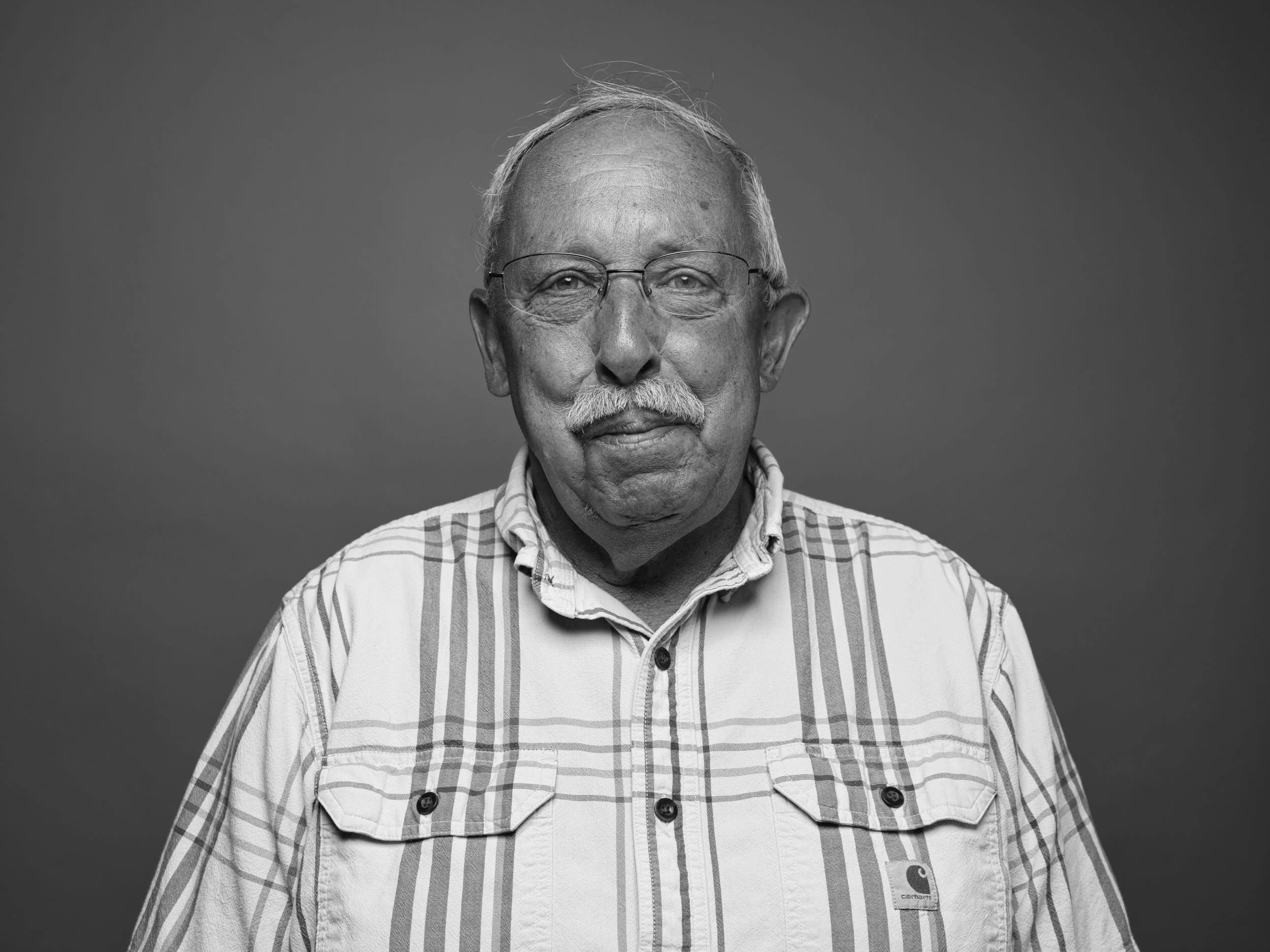
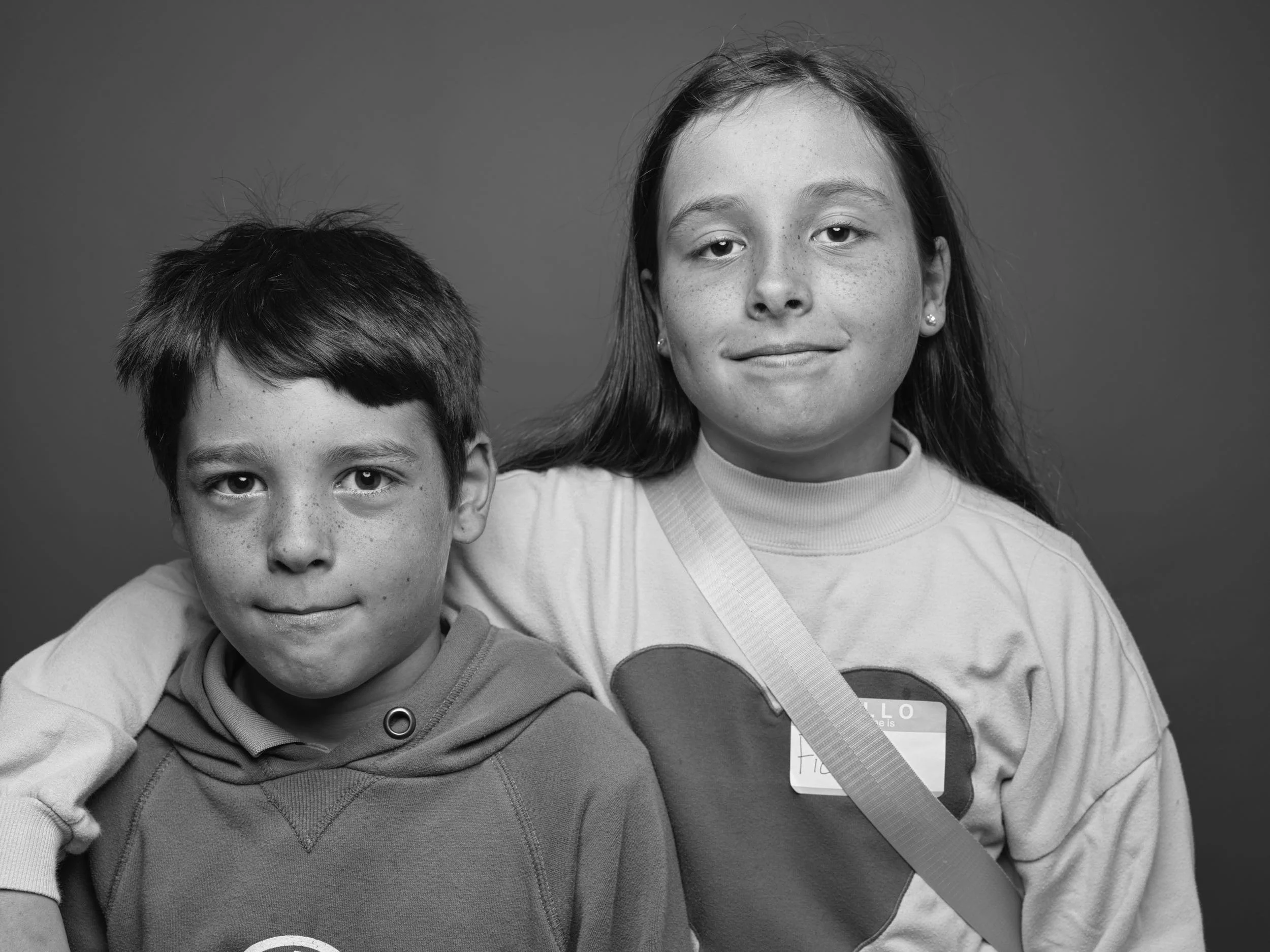
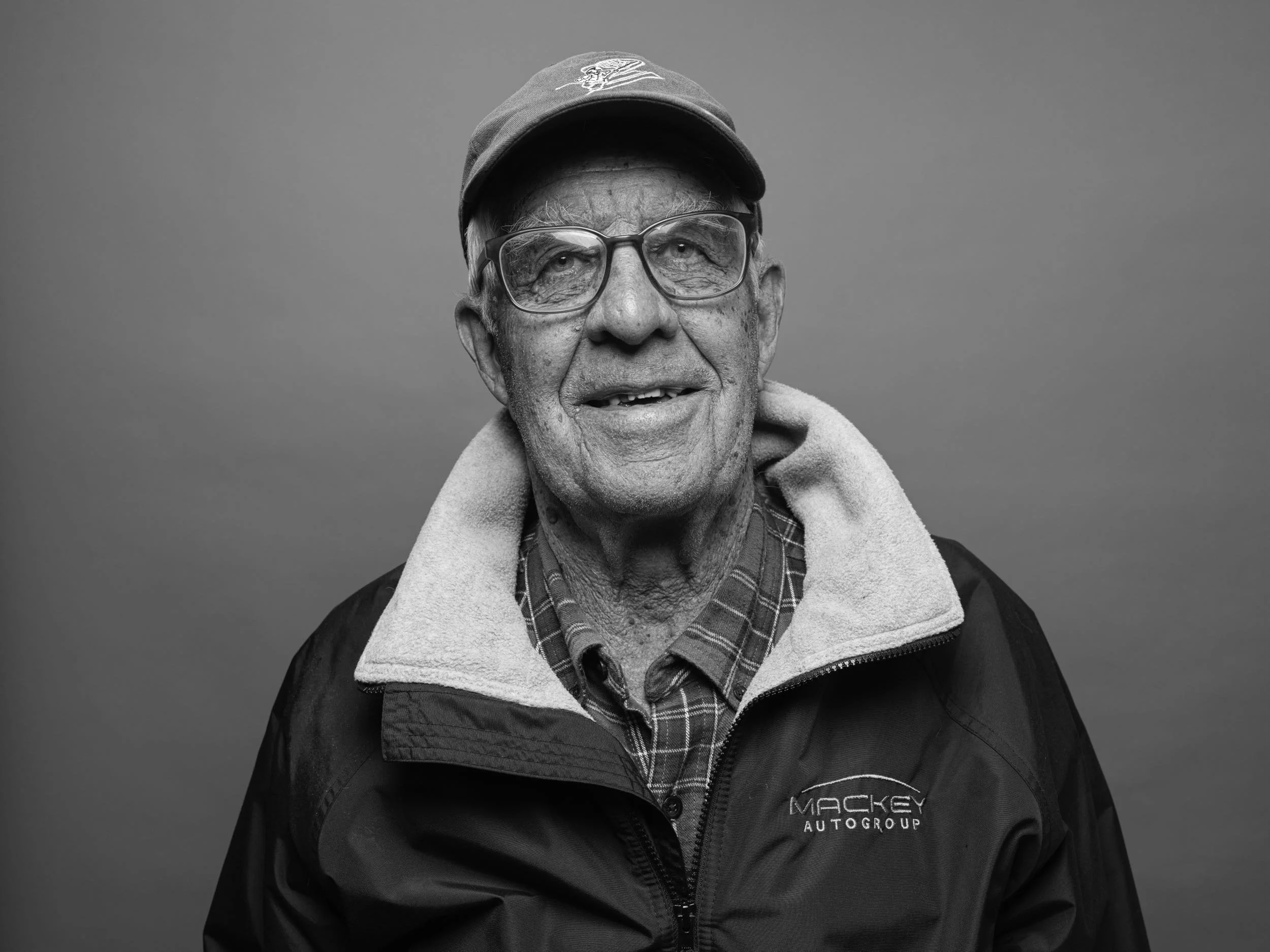
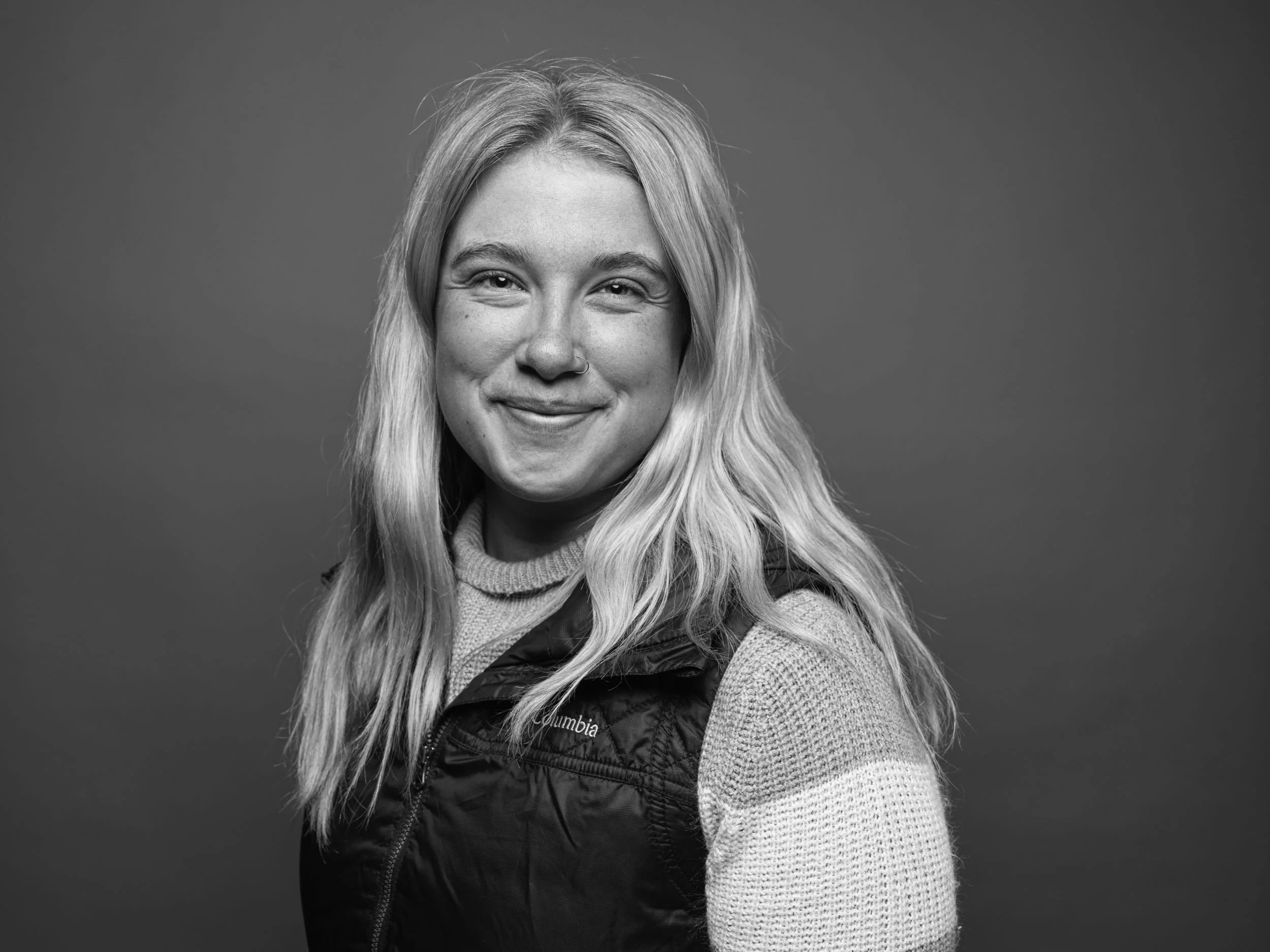
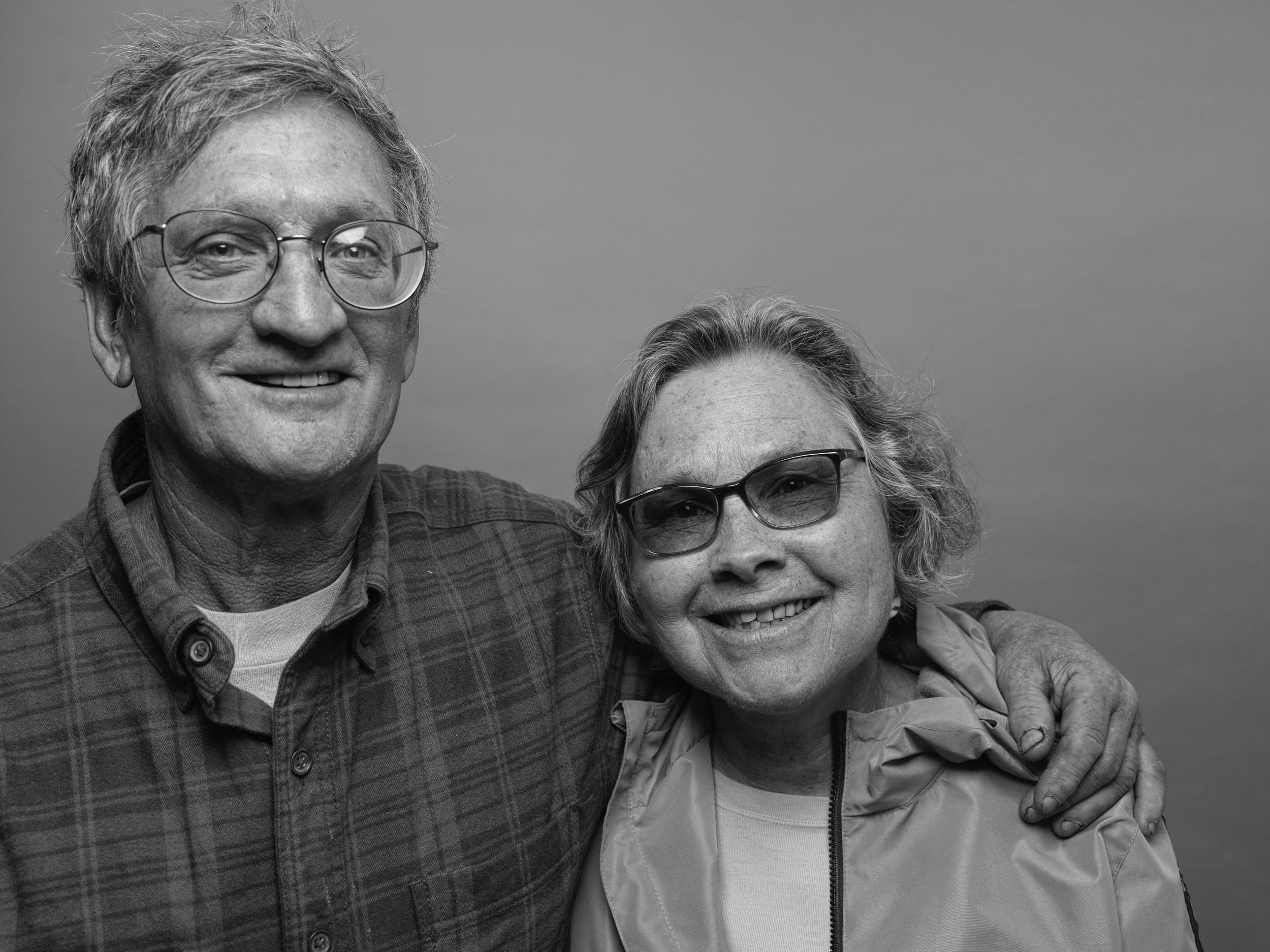
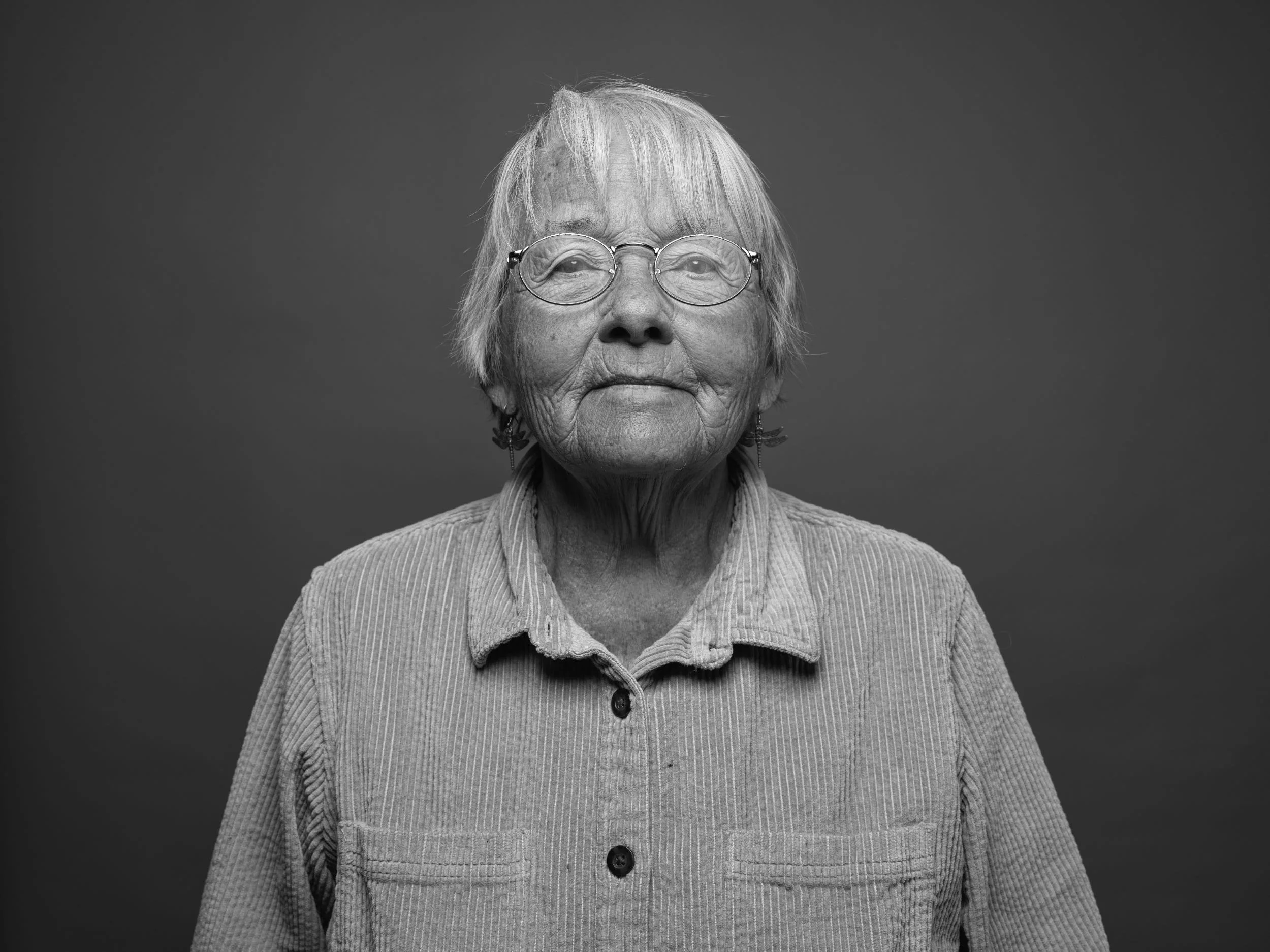
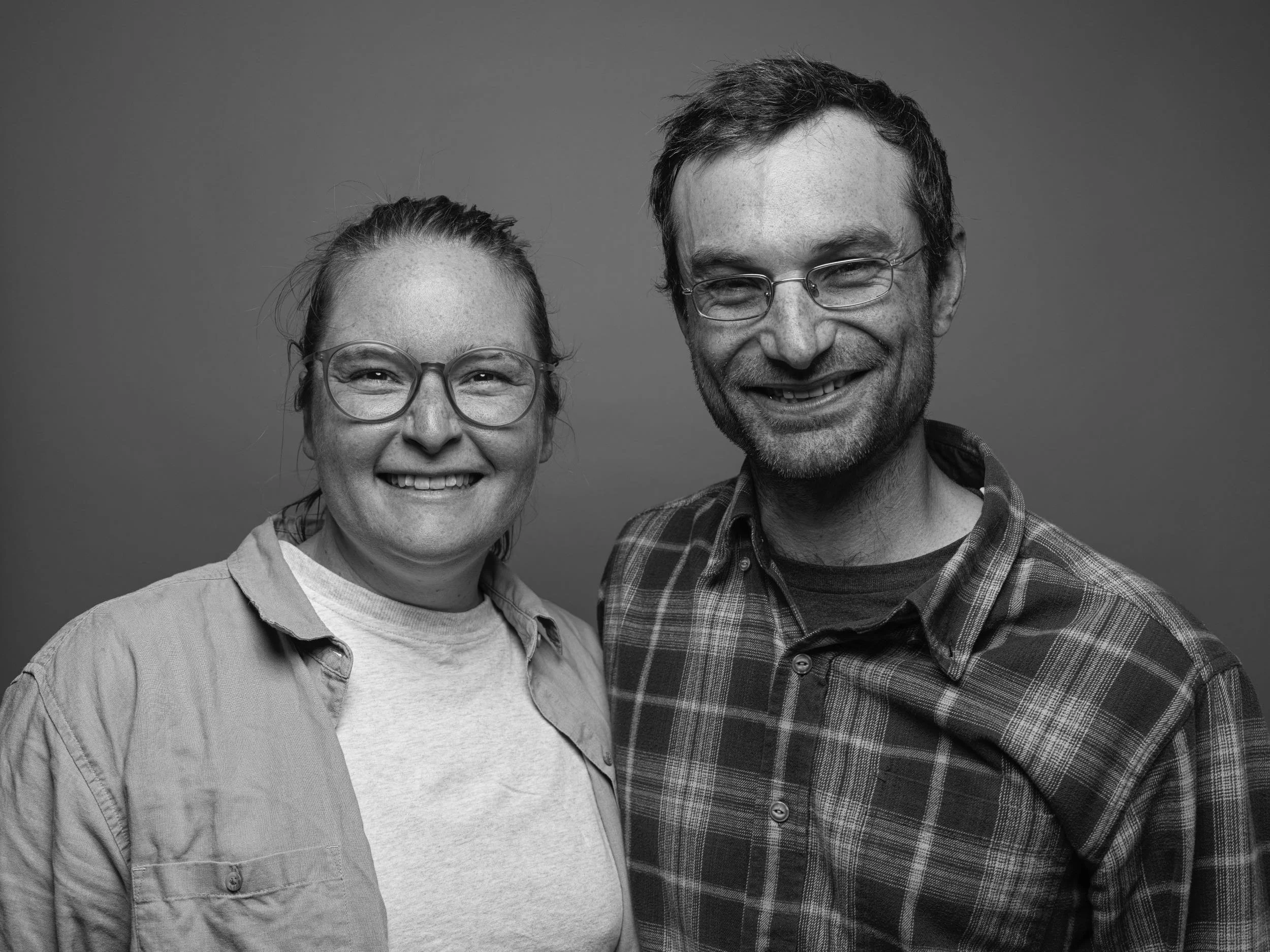
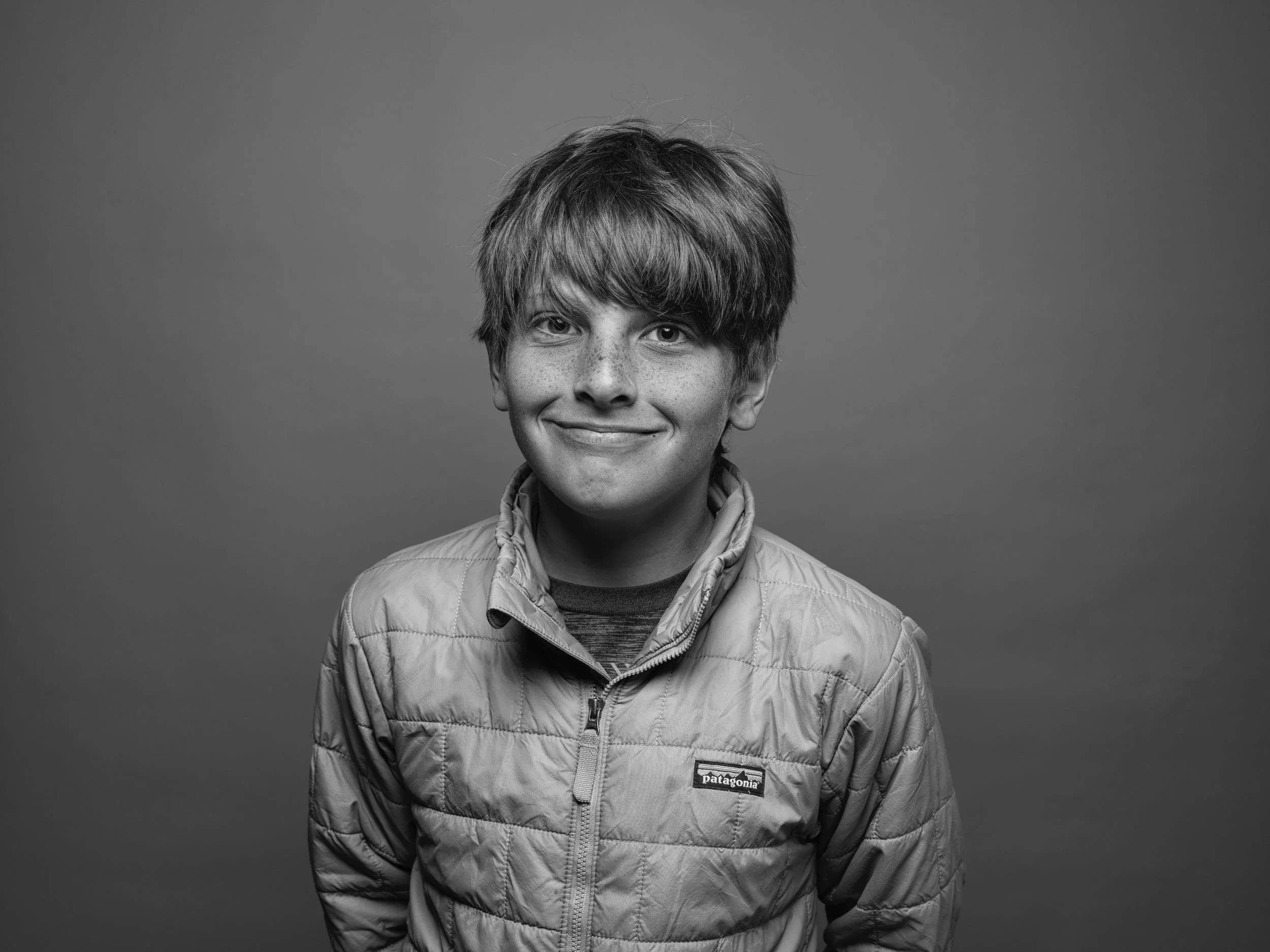
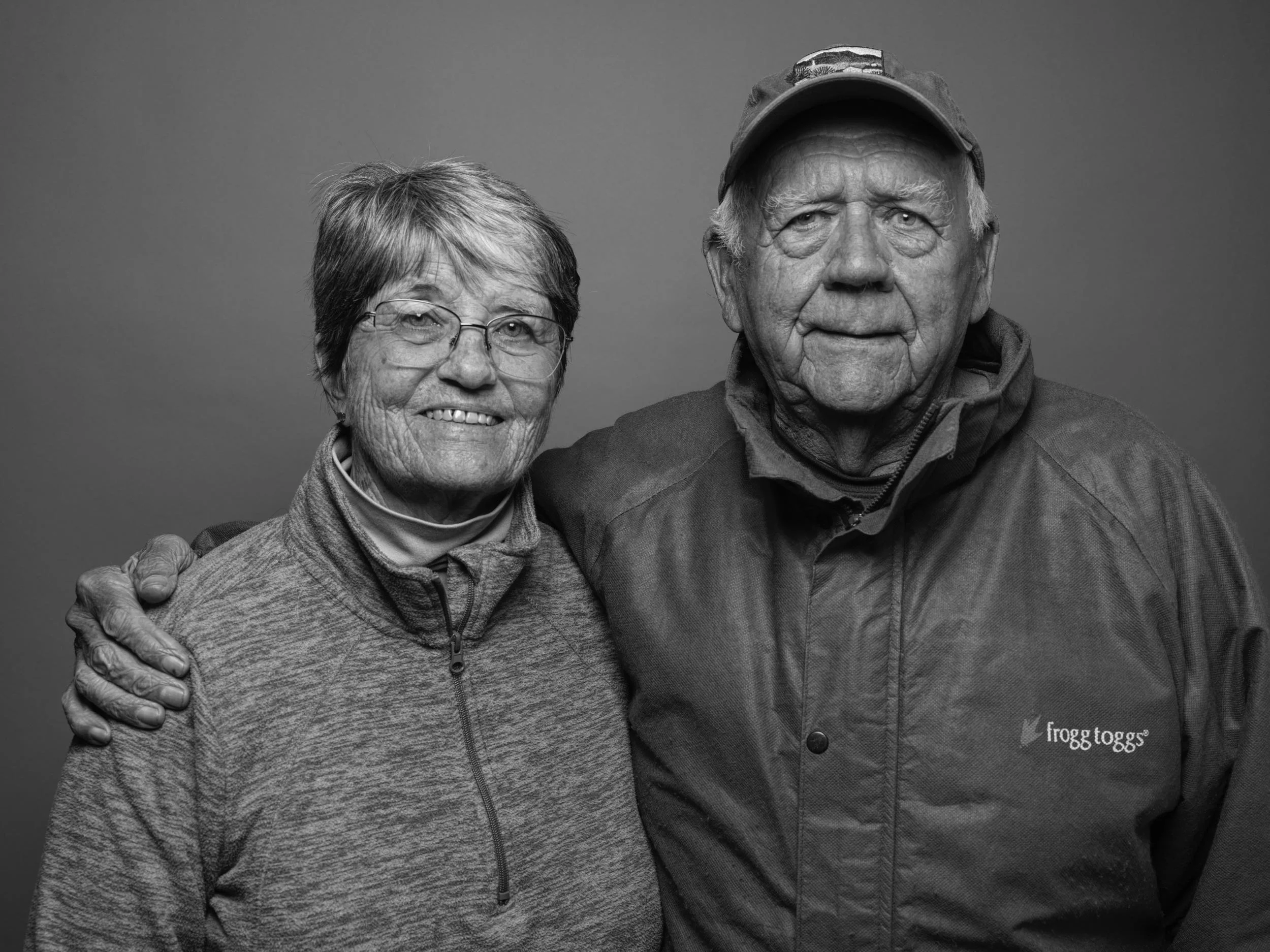
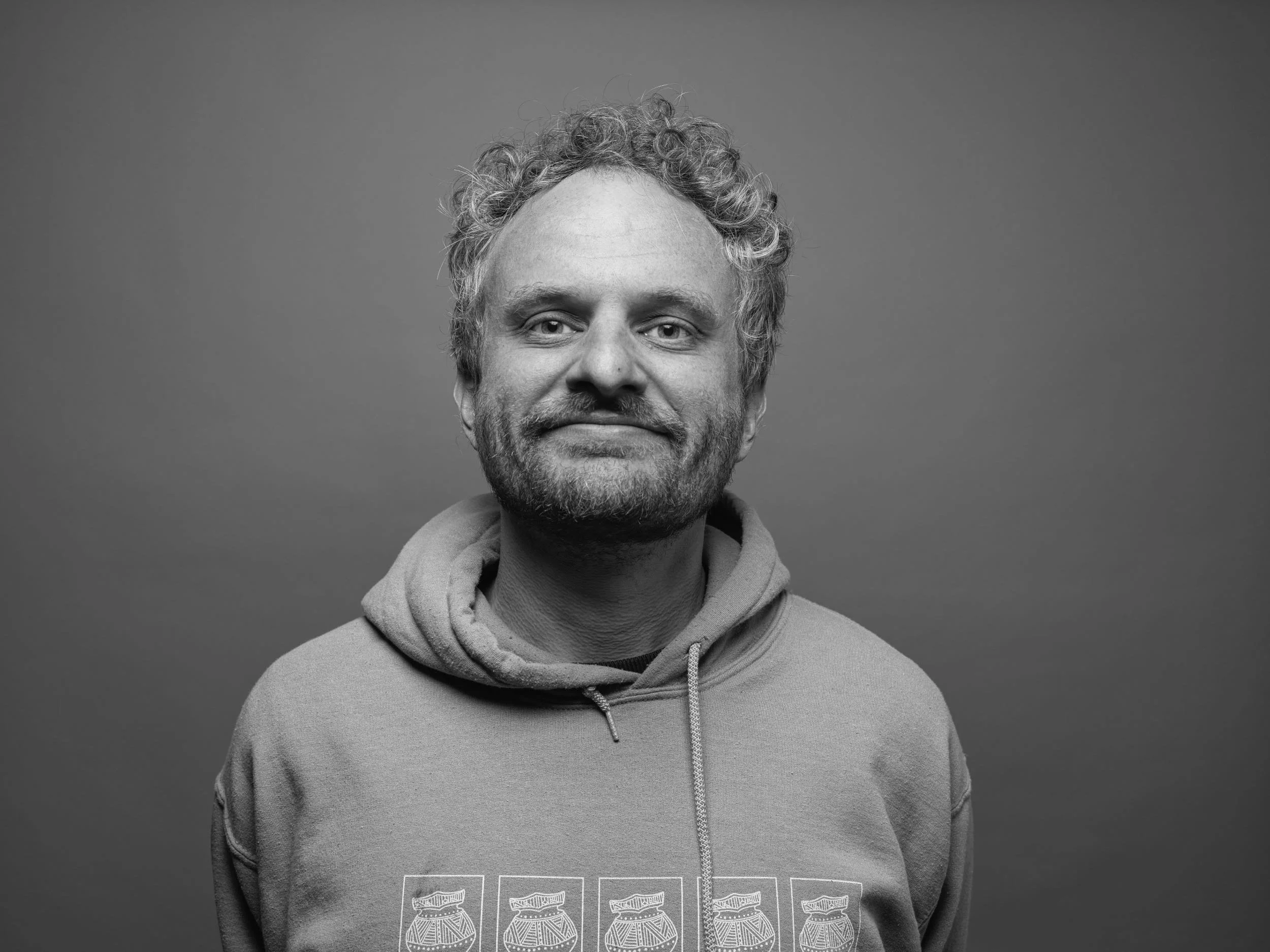
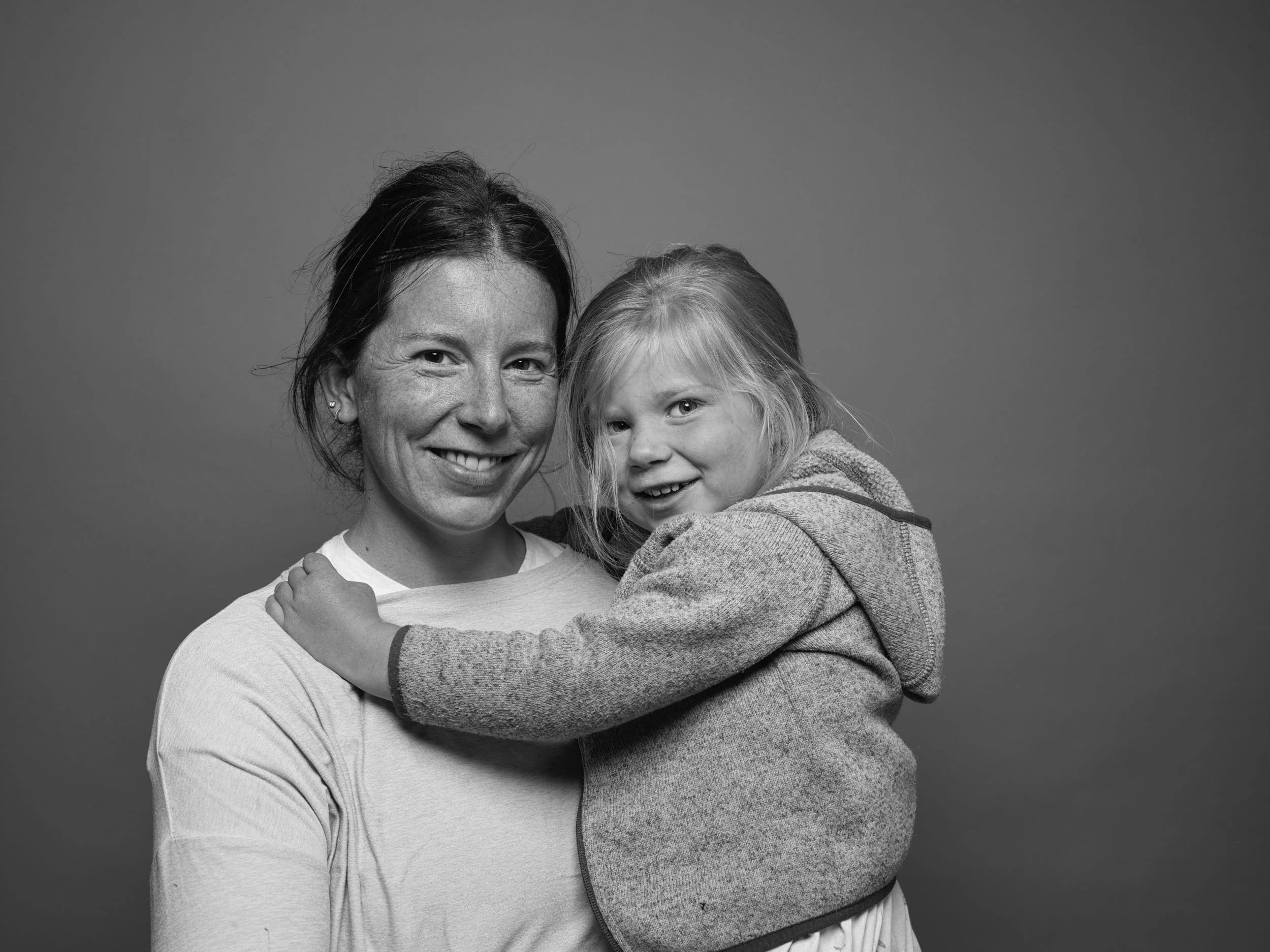
I fell in love with photography all over again last week. Each spring there is a community picnic, and everyone contributes in some way... food, music, set-up and planning. It feels like a throw back and I enjoy getting to catch up with neighbors. When we first moved into the area, I offered to make portraits of everyone as a means of introduction. That was seven or eight years ago, and this year I decided to do it all again.
I fell in love with photography all over again last week. Each spring there is a community picnic, and everyone contributes in some way... food, music, set-up and planning. It feels like a throw back and I enjoy getting to catch up with neighbors. When we first moved into the area, I offered to make portraits of everyone as a means of introduction. That was seven or eight years ago, and this year I decided to do it all again. It was chaotic and imperfect, a make shift studio in the basement of the community house - kind of a low ceiling, stray light everywhere and lots of distraction... but it was fun. It reminded me how much I enjoy the process of working with people in front of the camera. The collaboration to find the right expression and the thrill of knowing an image was made. Much of my time these days is spent with moving pictures, but the magic of photography will always have a place in my heart. Want to create portraits... drop me a line, I am here for it.

Farm Equipment auction
Every spring the field down the road from me slowly fills up with tractors and heavy equipment. Items are lined up for the Addison County Commission Sales annual machinery auction. Akin to seeing sap buckets, or tubing these days, it marks the changing of the season from winter to spring. This observational documentary explores the sights and sounds of this event.
Every spring the field down the road from me slowly fills up with tractors and heavy equipment. Items are lined up for the Addison County Commission Sales annual machinery auction. Akin to seeing sap buckets, or tubing these days, it marks the changing of the season from winter to spring. This observational documentary explores the sights and sounds of this annual event.