What we ask of a forest
There is something funny about having adults cram into a school bus. The narrow green seats, the watchful gaze of the driver, the one window left partially open… all of the details brought me back to childhood. Our destination was not school. This was a guided forest walk that I had been hired to photograph for the Vermont Woodlands Association.
After grinding our way up Texas Hill, this small group of strangers disembarked and gathered for brief introductions. We were being led through the Hinesburg Town Forest by Chittenden County Forester Brandon Benedict, Audubon forest manager Steve Hagenbuch, and consulting forester Harris Roen.
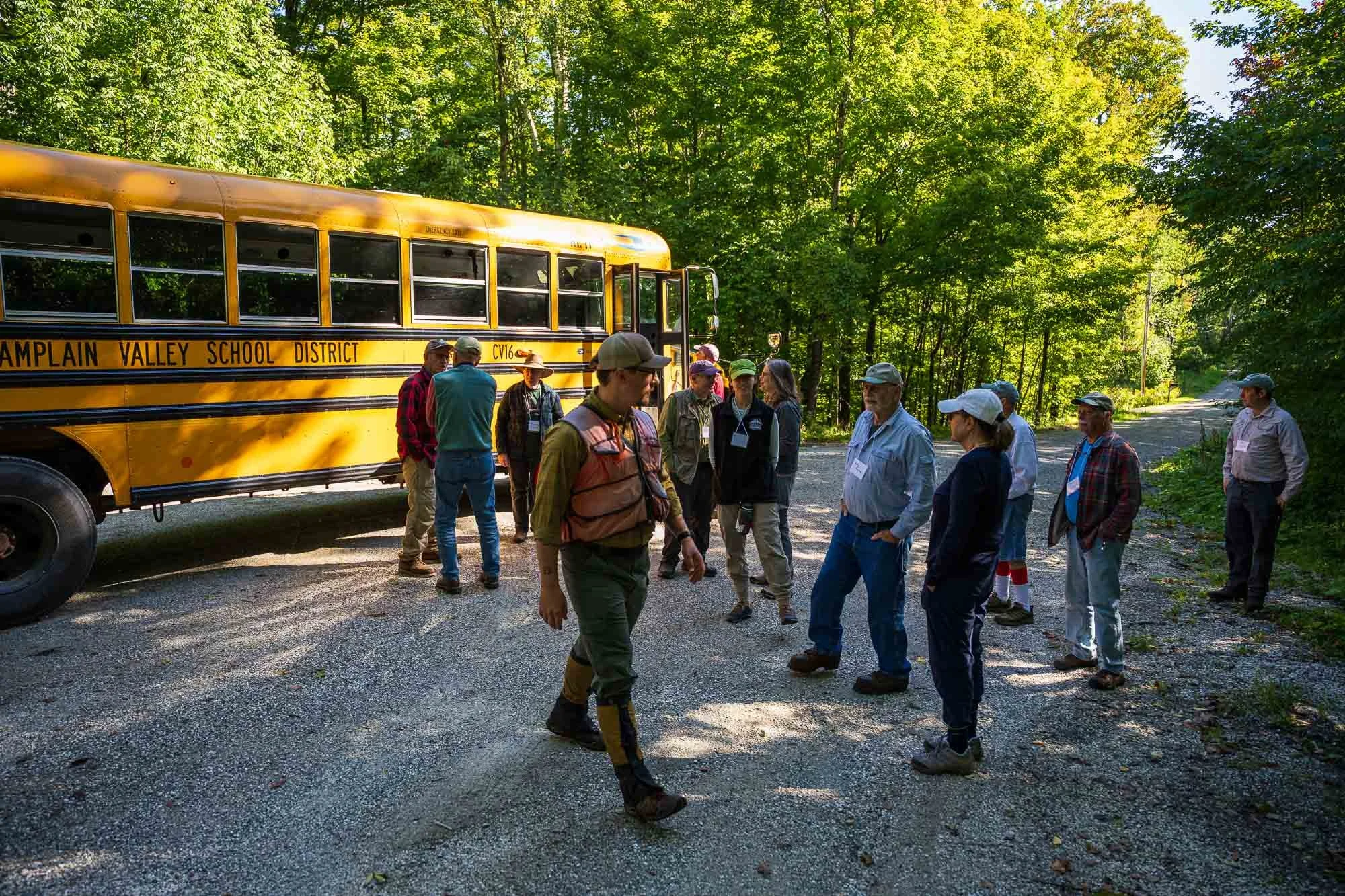
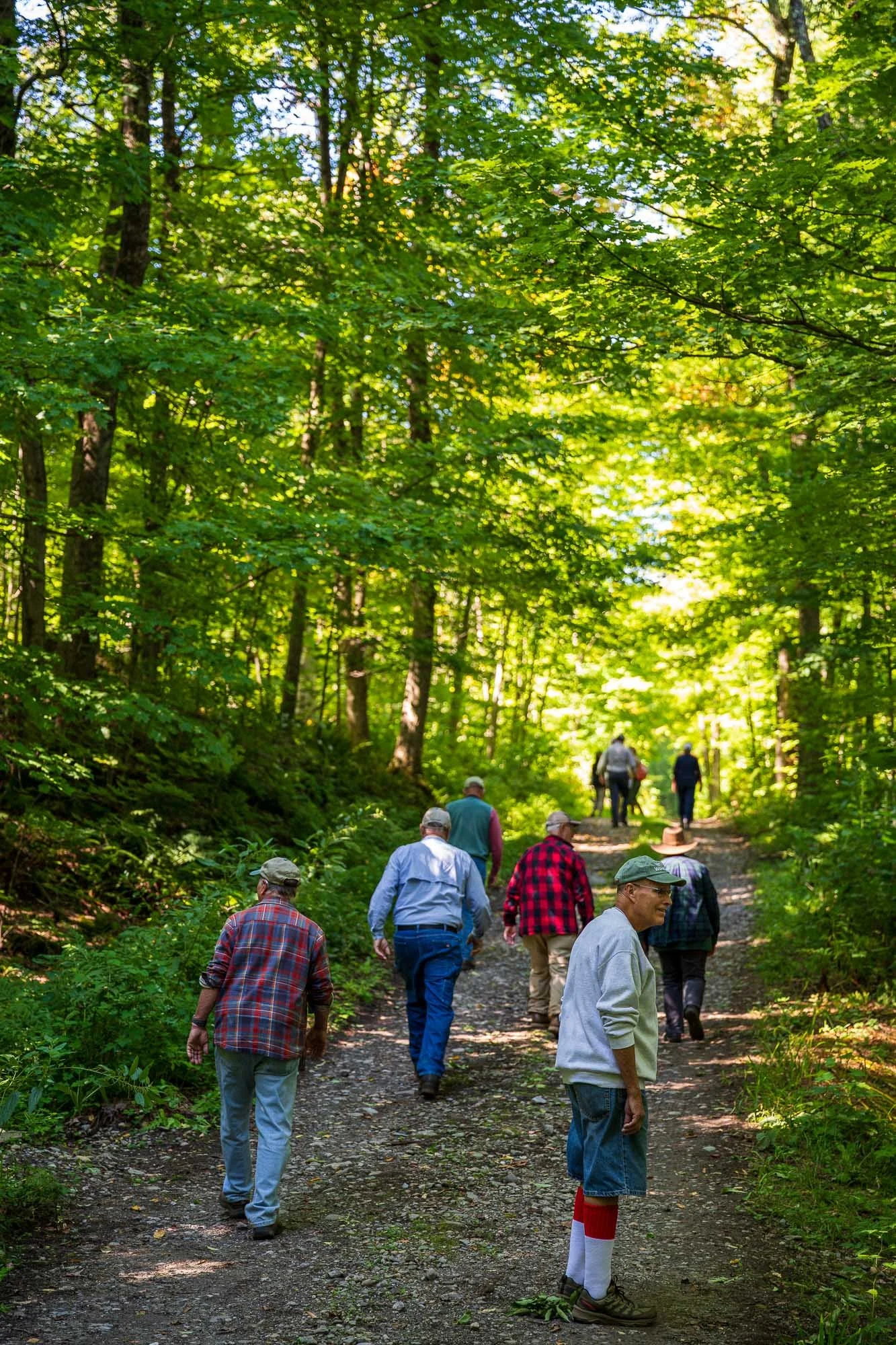
We ambled down a trail and began to share our observations of the forest. The American Tree Farm System considers four values in certified woodlands: wood, water, recreation and wildlife. From where we stood, the intertwined nature of these uses was clear.
Steve pointed out how easily we were able to see through the woods, and what that meant for the birds that could utilize it. It is tempting to get stuck in a human perspective, where our natural comfort in an environment often means good visibility. Yet that same visibility can mean greater risk of predation for other animals.
As we moved on, the conversation shifted to our history with the landscape and how the woods we experience today are largely the result of a fairly destructive past. Vermont was deforested and farmed, the evidence still occasionally appearing in old cellar holes and traces of roads, now overgrown.
Fortunately, we try to manage our natural resources with more care now, but this can also create friction between those four uses. If one measure of forest health is diversity, then disruption is an important catalyst for more types of plants and different ages within those species.
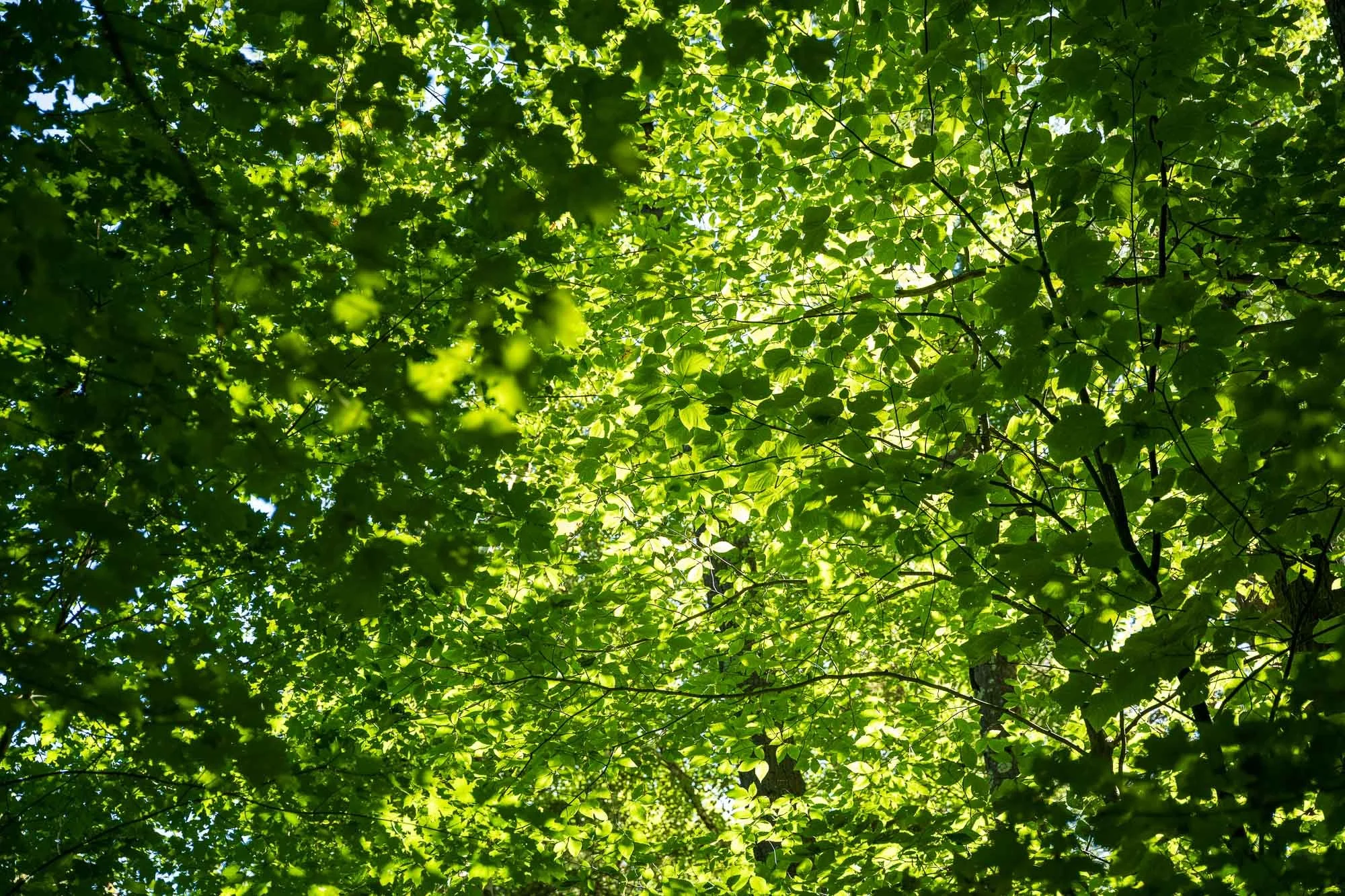
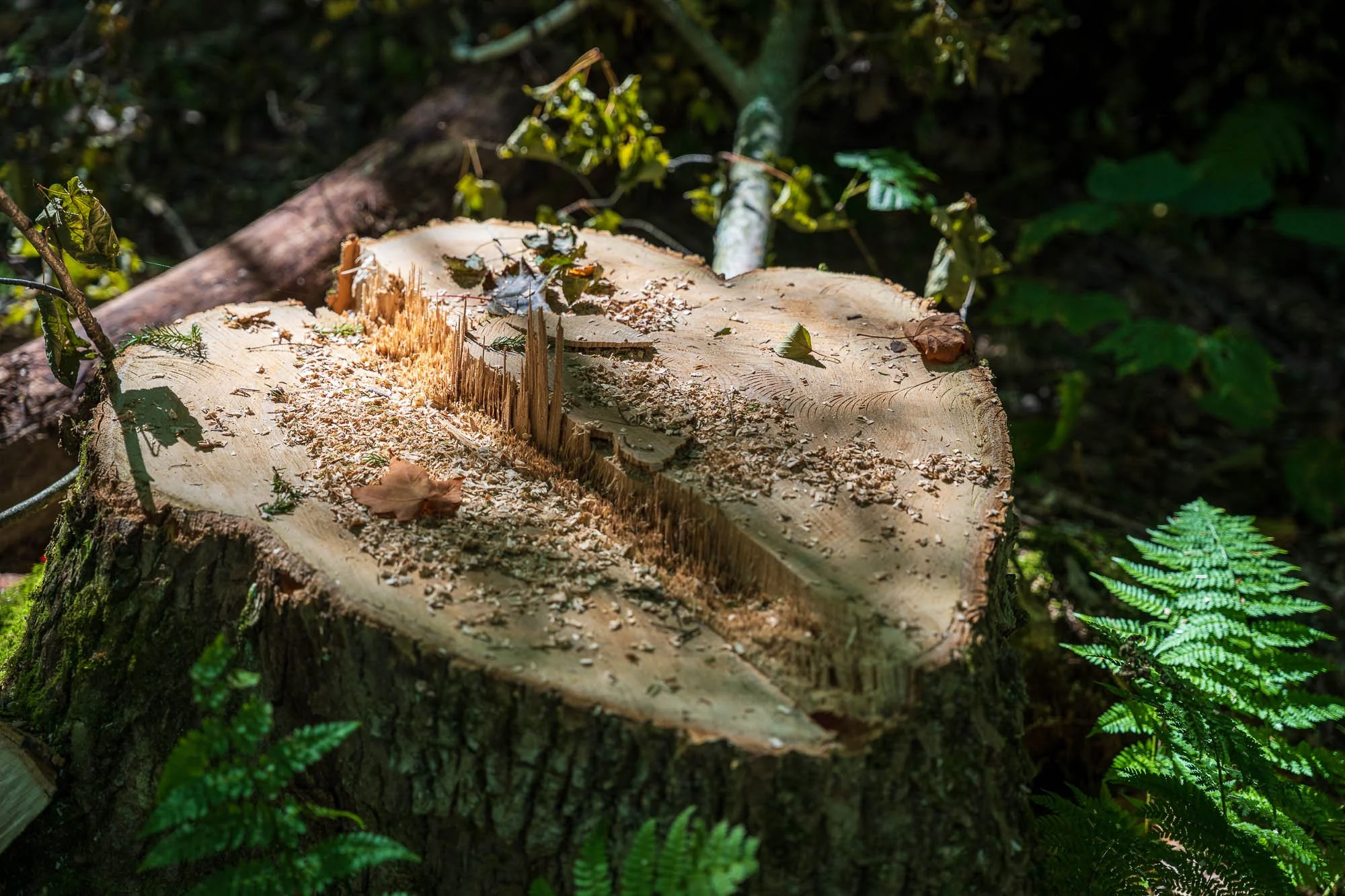
I know this. It was drilled into me years ago when I studied forestry. It is still hard to accept visually.
Harris spoke of the management plan, part of which was to generate more patches in the forest. The mess was desirable. Places that are hard for us to walk through serve an important purpose for animals that like to hide from us.
These disturbed sites can also mimic what occurs naturally at times, things like blowdown. Managing a resource like this requires thinking on a timeline that extends far beyond our own. The small seedlings growing under that brush will be trees when I am gone.
This is not necessarily an enjoyable mental exercise. It is easy to mistake what looks healthy to us for what a forest actually needs. It is a challenge to reconcile good forest management with what is commonly viewed as a beautiful forest.
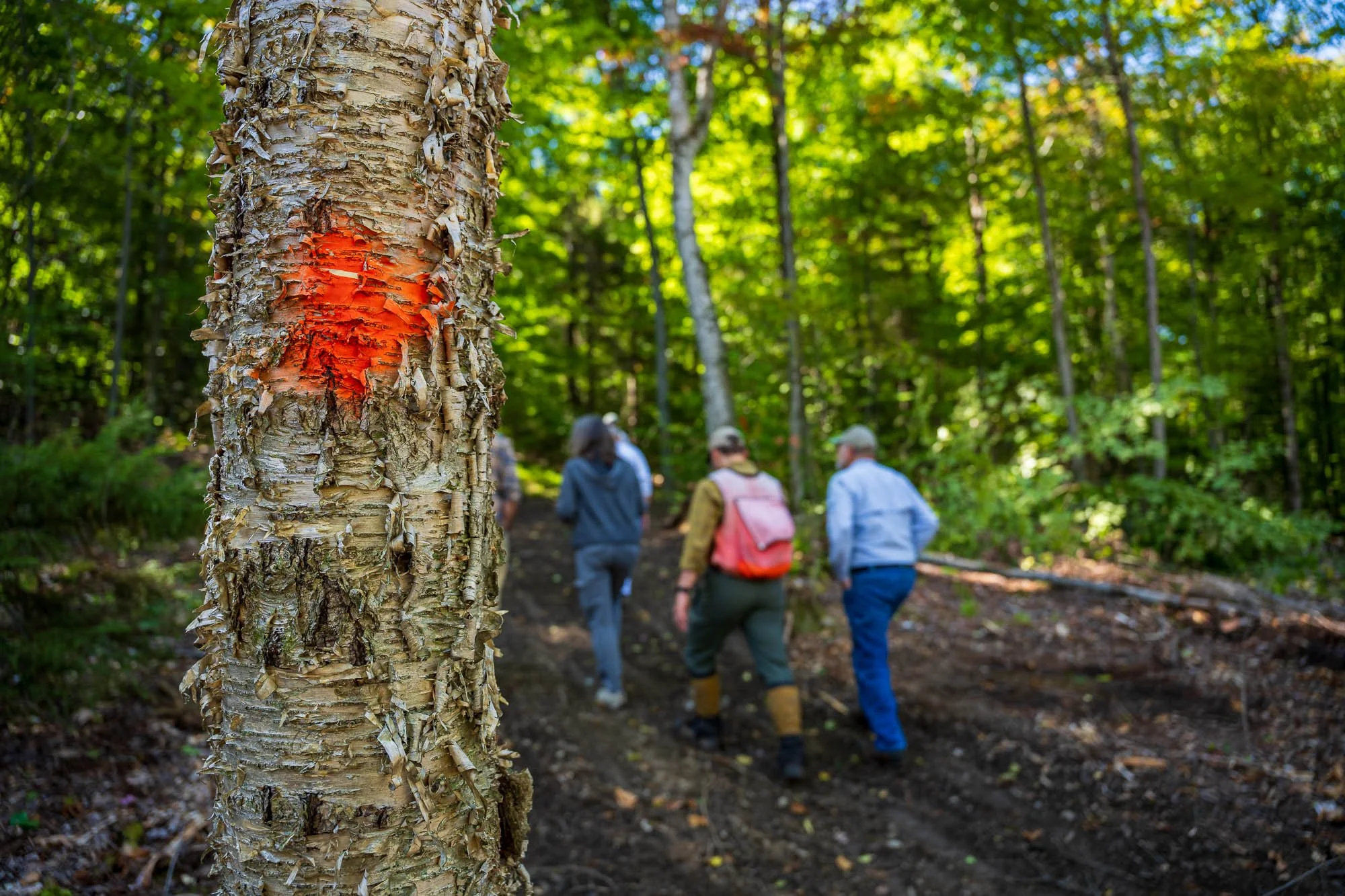
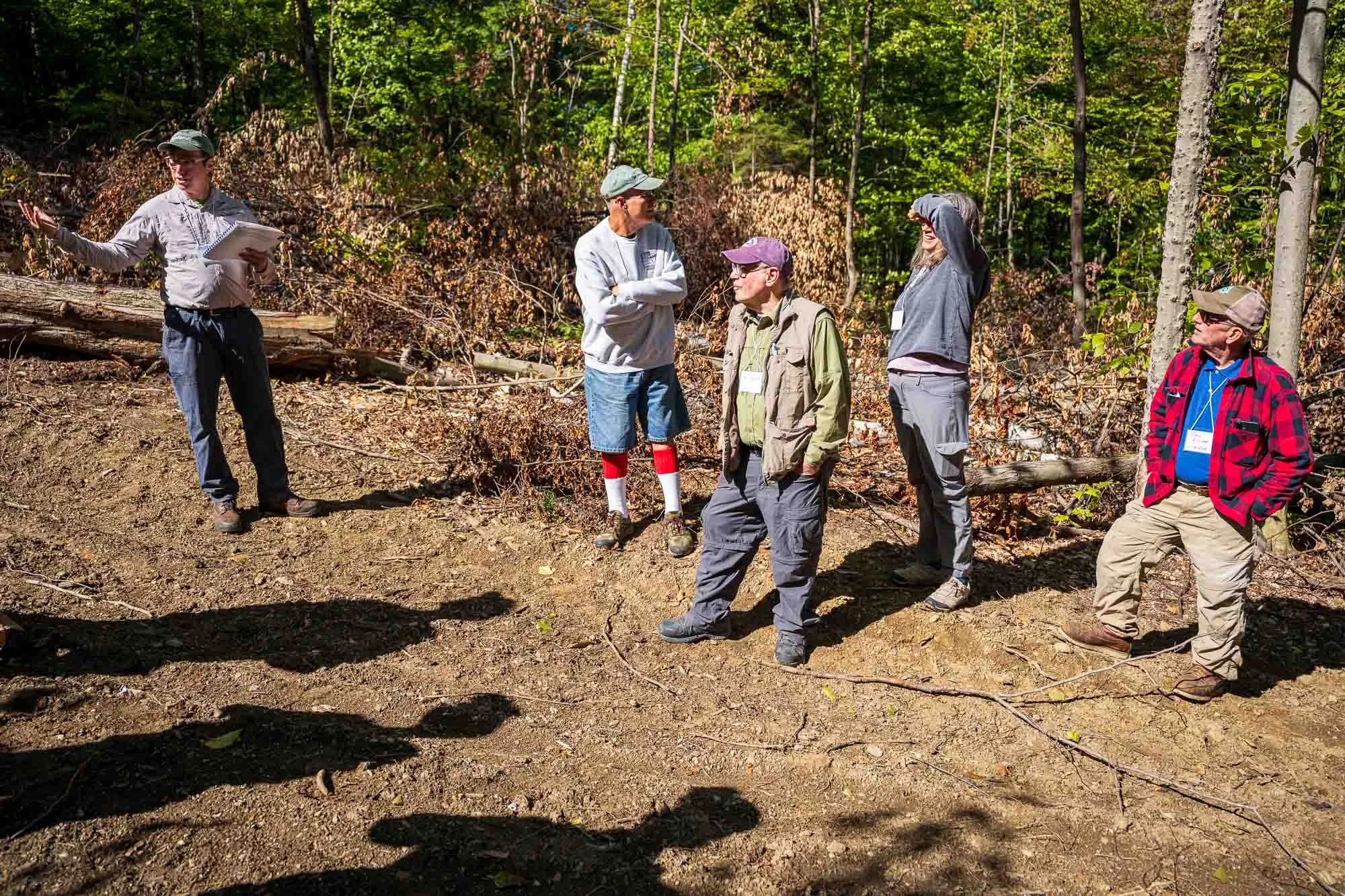
We hike to our last spot. My mind is churning through the dissonance of beauty and utility. The alternative to extraction is not necessarily absence.
I am struggling a bit to stay on the timeline of the trees. My whole life will be contained in just a few inches of their growth rings. But our choices have also changed the playing field for all of these dynamics. Climate change is a wildcard, another uncertainty these decisions have to account for, especially on land that belongs to all of us.
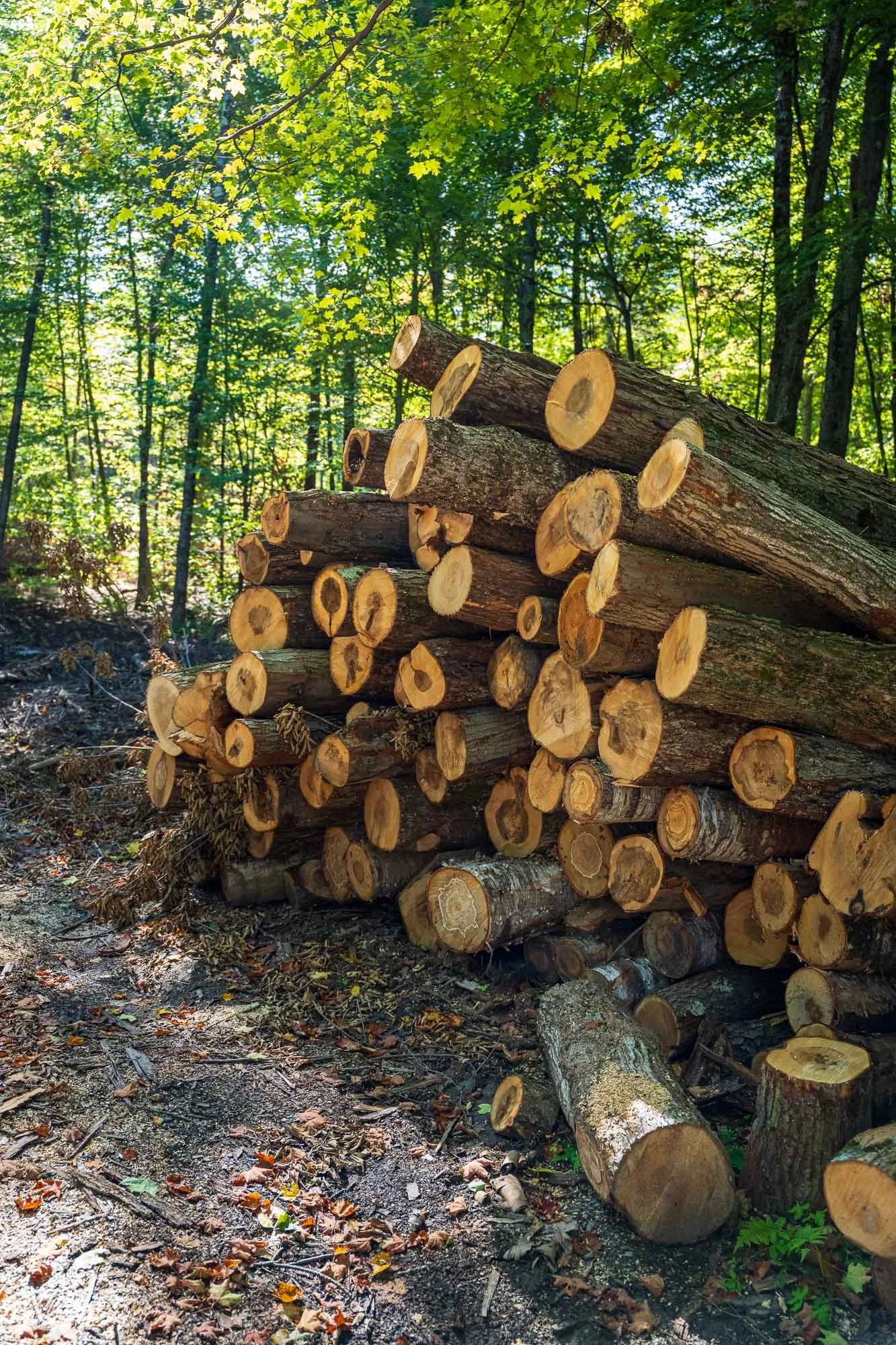
As the group looks into a dense thicket of regeneration, Brandon explains that this site was harvested only eight years ago. The trees that were removed were Norway spruce, a plantation of non-native species from when this landscape looked very different. The plantation itself was another human intervention, an attempt to replace what had been lost.
Steve looks at the site and sees bird habitat, which calls up yet another timeline. Their short lives will likely be encased in just a half-dozen rings of tree growth.
We shuffle back toward the bus. There is an awards ceremony to enjoy now. The Hinesburg Town Forest was recognized as Forest of the Year. These are not New York Times headlines, but there is a distinction worth noting.
This is a forest that belongs to the town, to many people, and it must accommodate many ideas of what a forest is for.
On our way back I see deer scat. Our group gets passed by a guy out trail running. We pass the logger’s equipment, and deep in the brush I see what’s left of an old stone wall.